BAZ Architecture
For
BAZ Architecture was founded to explore how architecture can be both systematic and poetic — rooted in logic, yet inspired by light, context, and emotion. The studio seeks the balance between form, light, and function, creating spaces where concept meets craft and design meets precision. We craft spatial experiences that move seamlessly from conceptual design to technical execution, always guided by clarity and emotion.
About Me
I’m Asmaa Elbaz, a Chartered Architect (RIBA) and ARB-registered professional, qualified in Spain and across Europe, with nearly a decade of international experience spanning architecture, sustainability, and computational design.
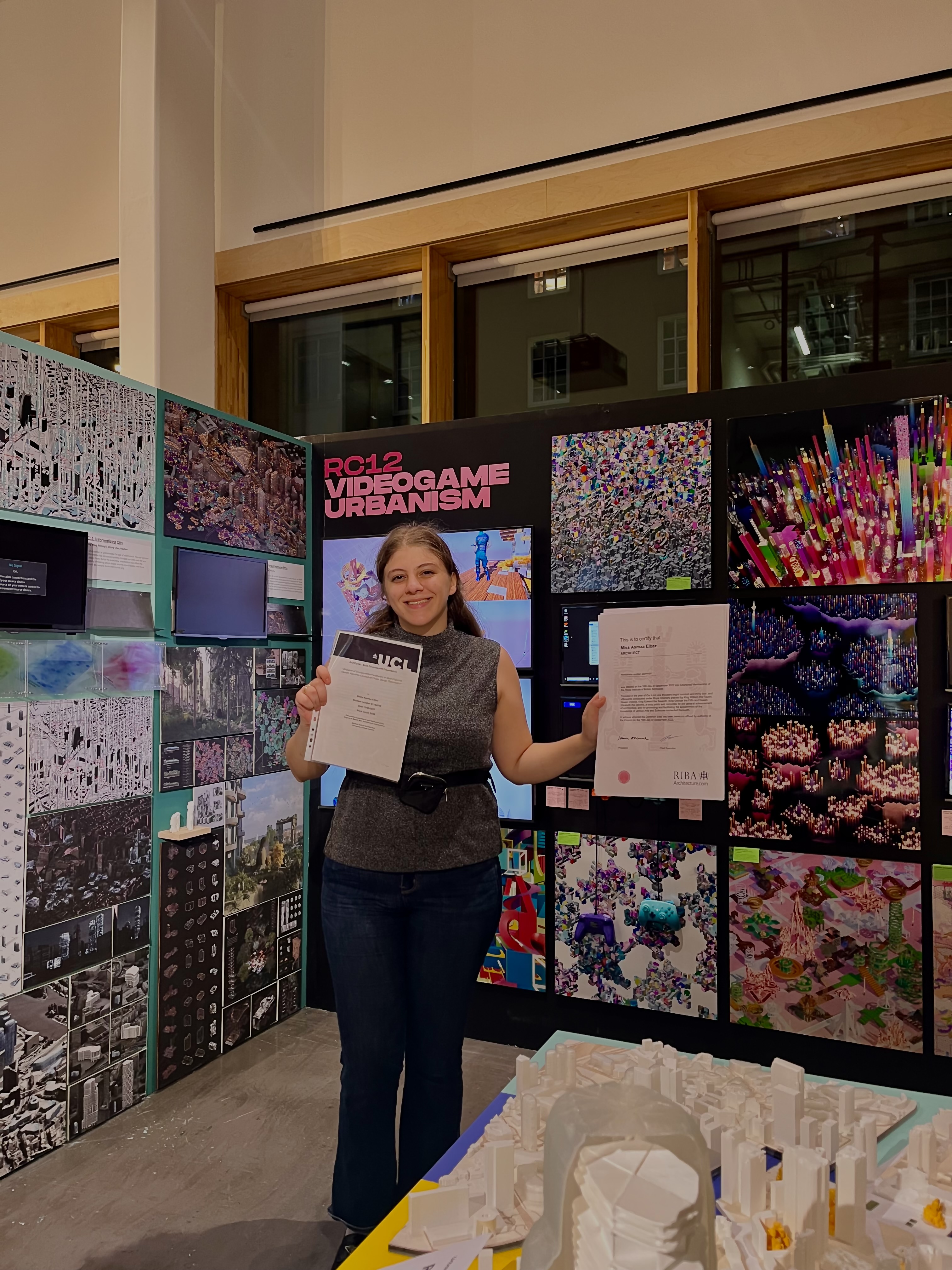
After training in Spain and earning a Master’s in Architectural Computation from The Bartlett, UCL, I developed a design approach that bridges technology and craft — using data, logic, and environmental performance to shape human-centered architecture. As a LEED-accredited professional, I believe sustainability should be embedded in beauty, not added to it.
Having collaborated with leading studios and contributed to multiple award-winning competitions, I bring an analytical yet intuitive mindset to each project. My work seeks to create architecture that feels timeless, sustainable, and emotionally resonant — where clarity of form meets depth of meaning.
Skills
Design & Technical Leadership
Revit & BIM Expertise
Advanced Detailing
Technical Packages
Design Strategy
Concept Innovation
Multidisciplinary Coordination
Architecture Coordination
MEP Coordination
Structure Coordination
Landscape Coordination
Interiors Coordination
Planning & Regulations
UK Standards
International Codes
Compliance Management
Building Regulations
Approvals Process
Client & Stakeholder Management
Presentations
Stakeholder Approvals
Negotiations
Relationship-building
Expectation Management
Sustainable Design & Certification
LEED Standards
Green Strategies
Certification Goals
Sustainable Integration
Programme & Project Control
Resource Planning
Scheduling
Performance Tracking
Deliverables Control
Business Development
Bid Leadership
Design Competitions
Business Strategy
Client Acquisition
Software Expertise
Revit
AutoCAD
Rhino
Grasshopper
Dynamo
Adobe Suite
Lumion
V-Ray
Choose Your Service
Architectural Design
Translate client ambition into built form.
Digital Production to reality
Ensuring seamless coordination and technical accuracy across all stages.
3D Rendering & Visualization
Visualizations that articulate design intent, bridging concept to reality.
Teaching & Mentorship
Tailored guidance, portfolio refinement, and professional development.
Experience
2022-Present
Foster + Partners
Architect ARB Chartered RIBA
London, UK
Leading architectural coordination for Stage 2 design of multi-billion-dollar terminal campus at Riyadh International Airport.
Directed multidisciplinary teams (MEP, structure, landscape) and managed client interface for iconic projects.
Delivered technical solutions ensuring programme alignment, design quality, and operational efficiency.
Managed high-value international competitions as Competitions Lead with cross-disciplinary teams.
2021
50 SuperReal
Computational Architect
Madrid, Spain
Specialized in computational design methodologies and advanced digital fabrication techniques.
Developed parametric design solutions for complex architectural projects.
Integrated computational workflows into traditional architectural design processes.
2020
BOB Engineering Consultant
Architectural Intern
Cairo, Egypt
Gained foundational experience in architectural design and engineering coordination.
Assisted in project documentation and technical drawing development.
Participated in site visits and construction observation activities.
2019
Modelical
BIM Architectural Technician
Madrid, Spain
Developed BIM models and coordinated digital construction documentation.
Implemented BIM protocols and standards across architectural projects.
Collaborated with engineering teams for multidisciplinary coordination.
2018
Baits Apps
Graphic Designer (iOS/Web)
Madrid, Spain
Designed user interfaces for iOS applications and web platforms.
Created visual identity systems and digital branding materials.
Collaborated with development teams to implement design solutions.
2017-2020
IE University FabLab
Architectural Design Fellow/Assistant
Segovia, Spain
Supported academic research and digital fabrication projects.
Assisted students with computational design tools and fabrication techniques.
Maintained digital fabrication equipment and supervised lab operations.
Contributed to innovative architectural research and prototyping.
×





AlgaeCulture Centre
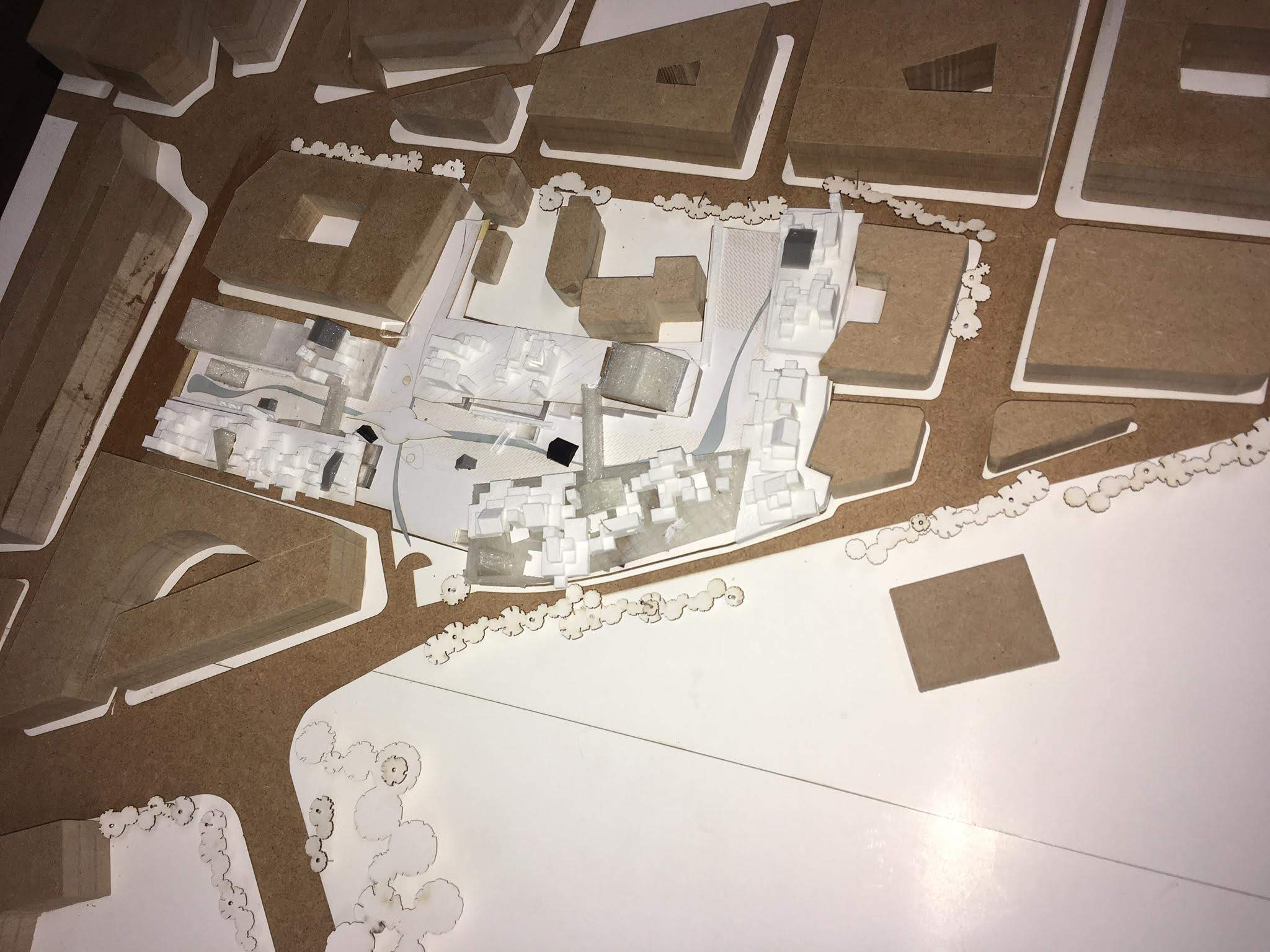
Located on the industrial coastline of Valencia, the AlgaeCulture Centre explores the intersection of architecture, ecology, and education. The project reimagines how cities can integrate sustainable production systems within urban contexts, using algae cultivation as both an environmental and educational tool.
Designed near agricultural fields, a historic church, and a touristic marina, the proposal establishes a dialogue between industry, nature, and community.
It addresses global challenges of unsustainable production and climate change, introducing biotechnological strategies that reduce emissions while raising public awareness about responsible resource management.
The centre functions as a research and learning hub, promoting innovation in algae-based materials and fostering public engagement with sustainable urban development.
The design envisions a new model for coastal regeneration—where architectural form, natural systems, and human activity coexist in balance.
×
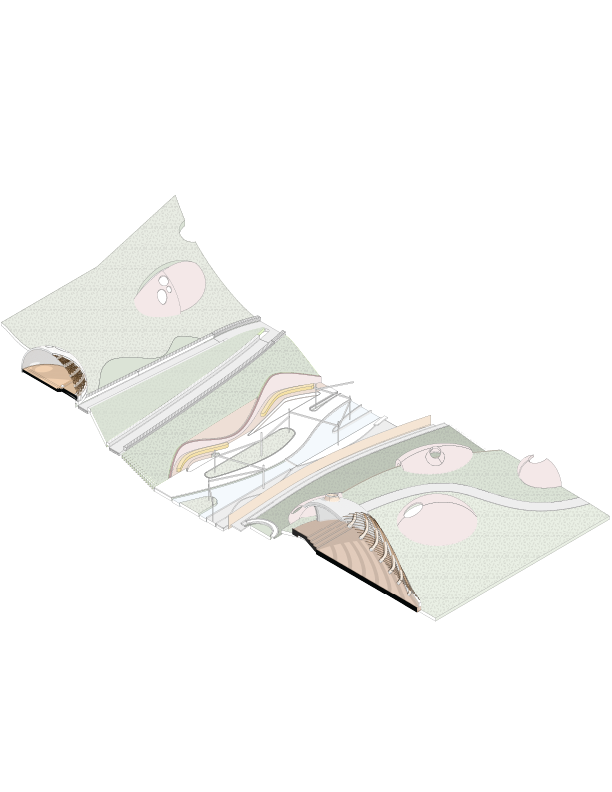


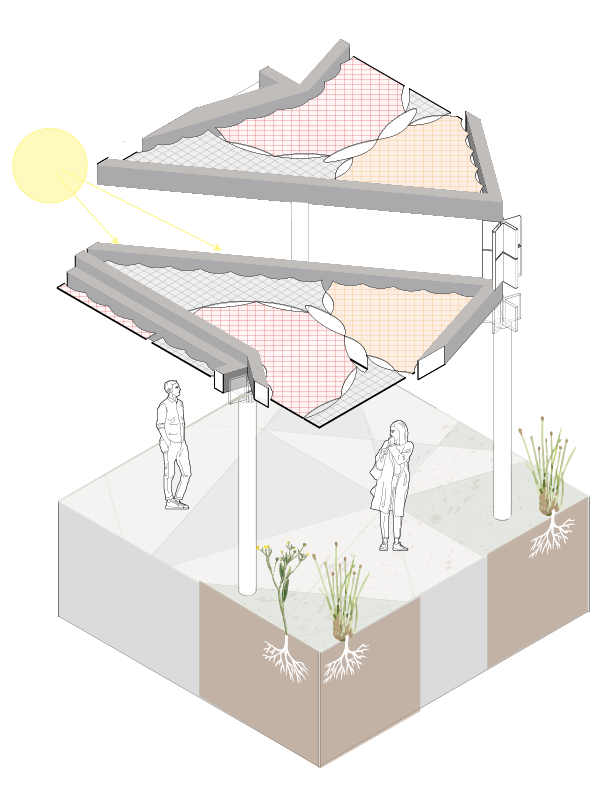

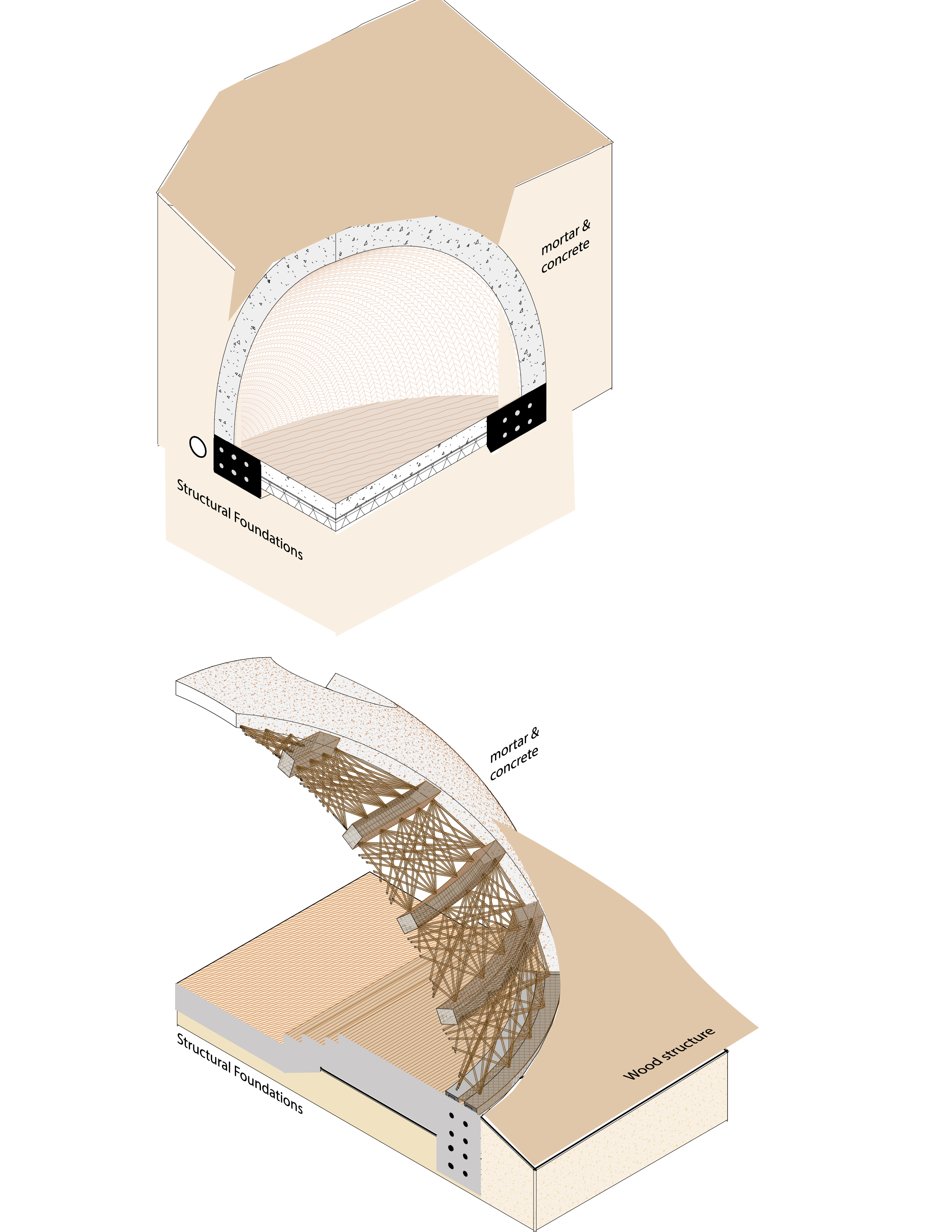
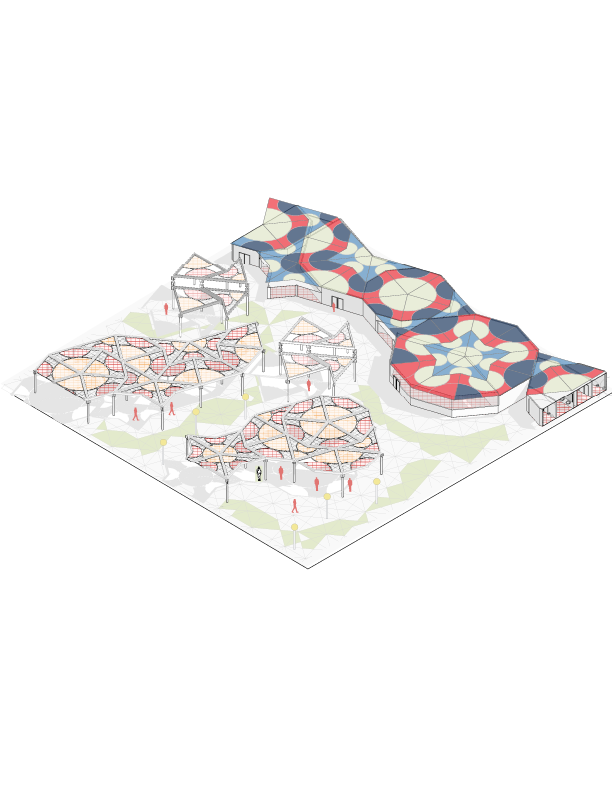
Escenario Puerta del Ángel
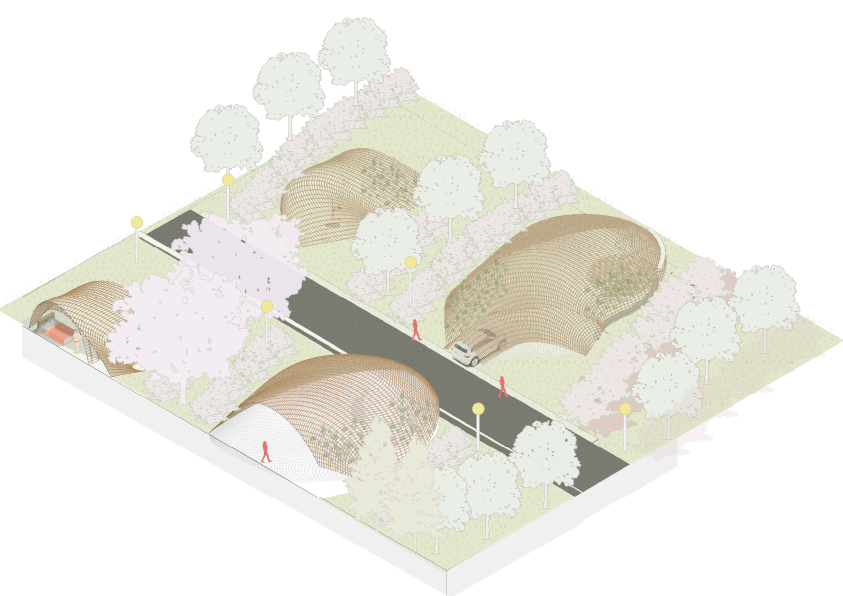

Typology: Landscaping + Pavilion Escenario Puerta del Ángel is the main event space on the site, currently hosting Cirque du Soleil from October 21 to January 15.
Outside of event periods, the area suffers from low activity, creating safety concerns and a sense of abandonment.
Our strategy introduces connective landscaping to encourage daily use and link the site’s different areas.
By zoning activities according to time and user type, conflicts are minimized, while vegetation acts as a natural guide, enhancing transitions to the lake, improving the ecosystem, and reducing maintenance needs.
Key stakeholders were considered to guide the design:
Neighbors: gain recreation spaces, improved park maintenance, and increased local business activity.
Ecologists: benefit from greater biodiversity, greenery, and ecosystem enhancement.
Private traffic: managed through scheduled access to meet city demands.
The design aims to reactivate the area, improve safety, and create a vibrant, multifunctional environment that serves diverse users throughout the yea
×
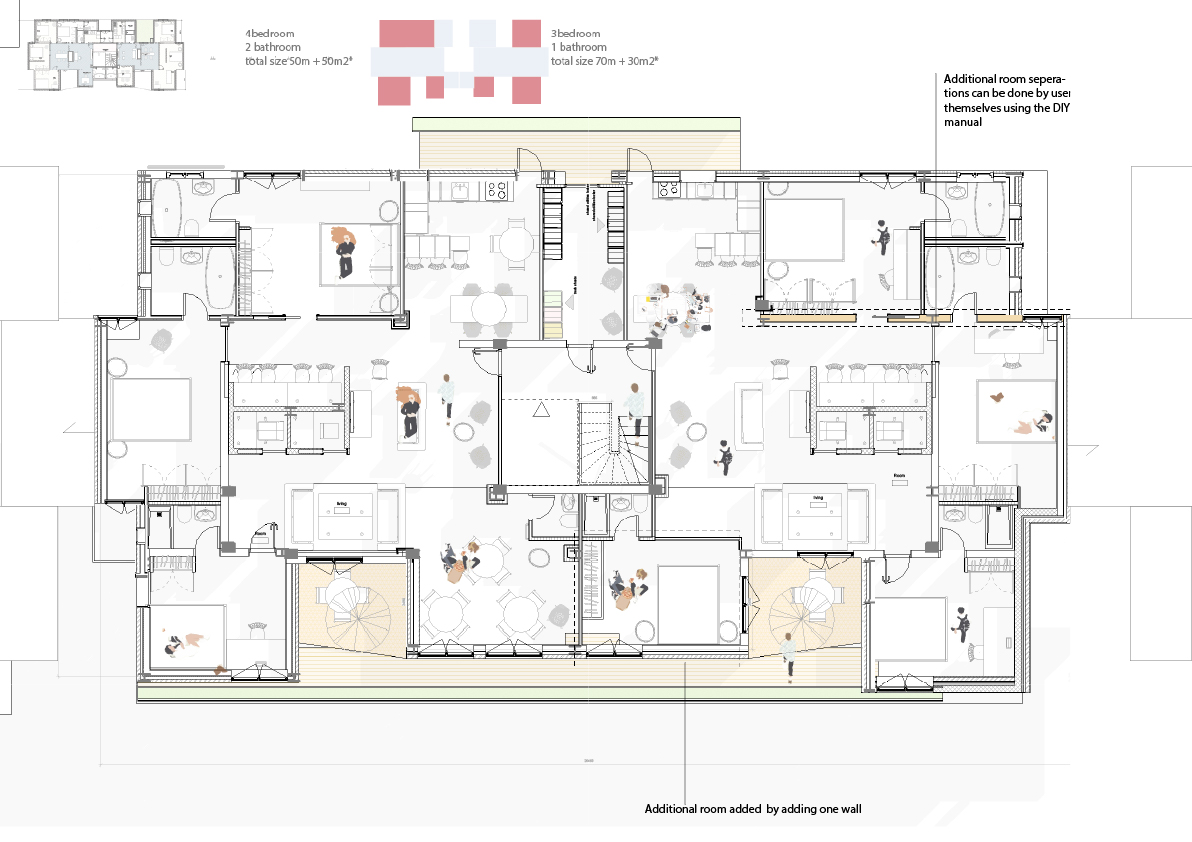
A Circular Future
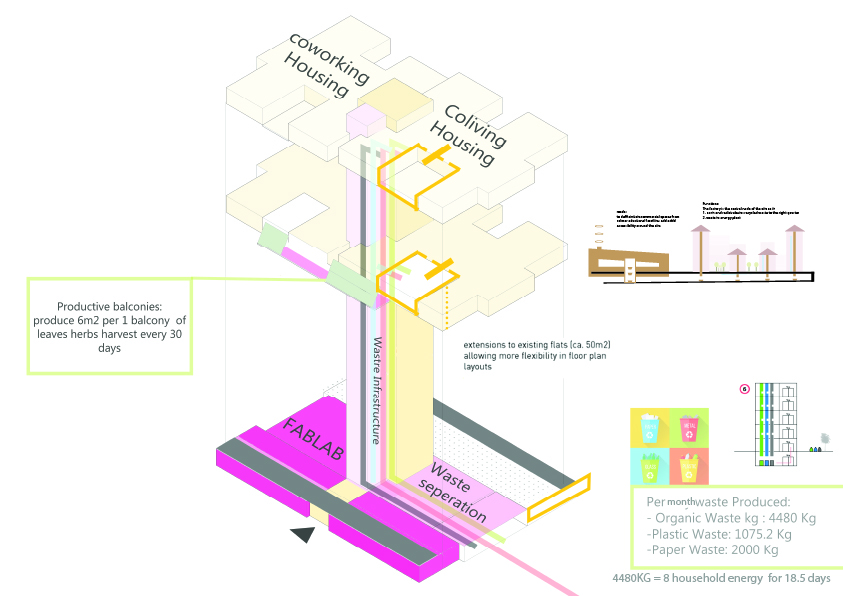
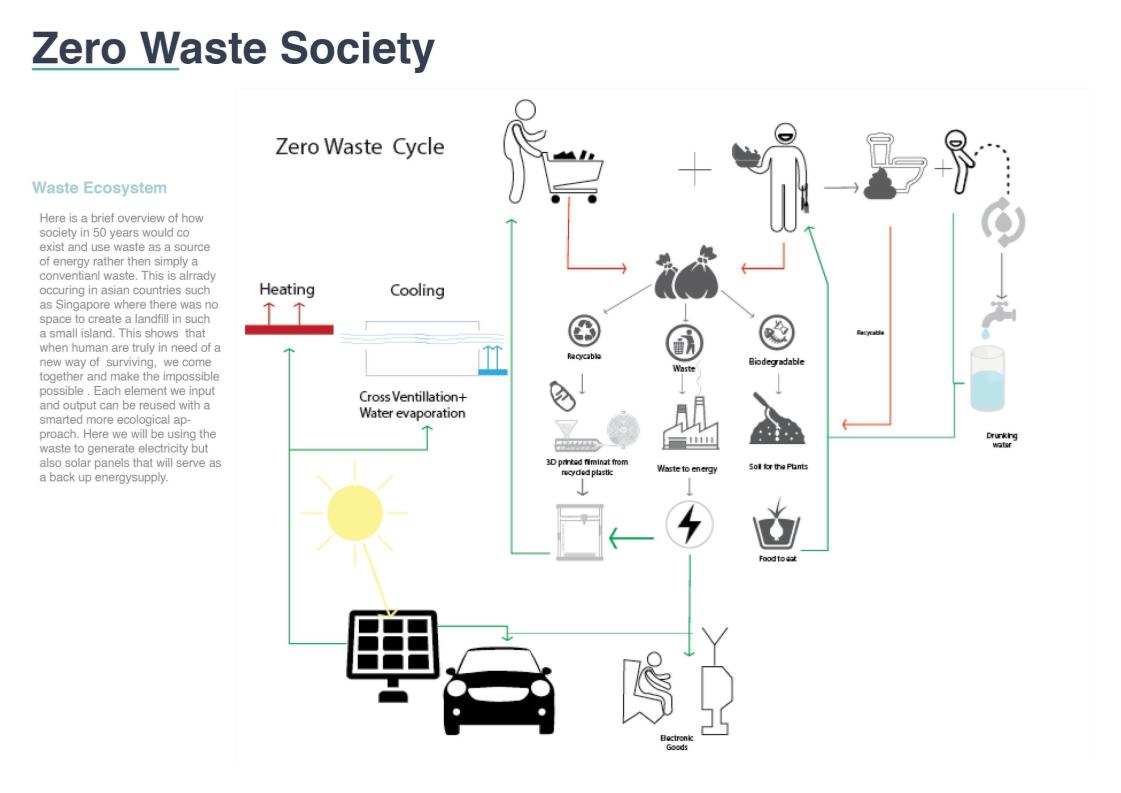
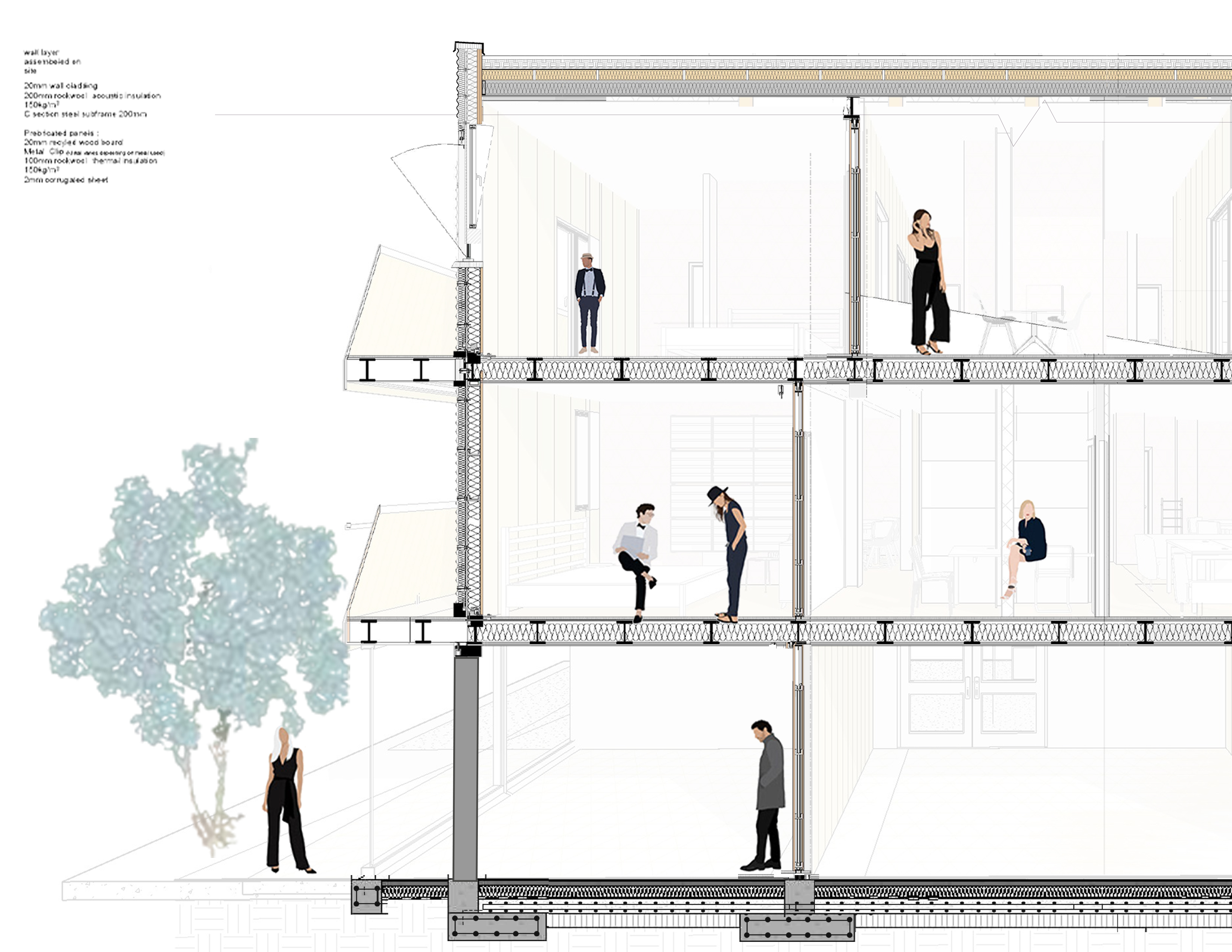
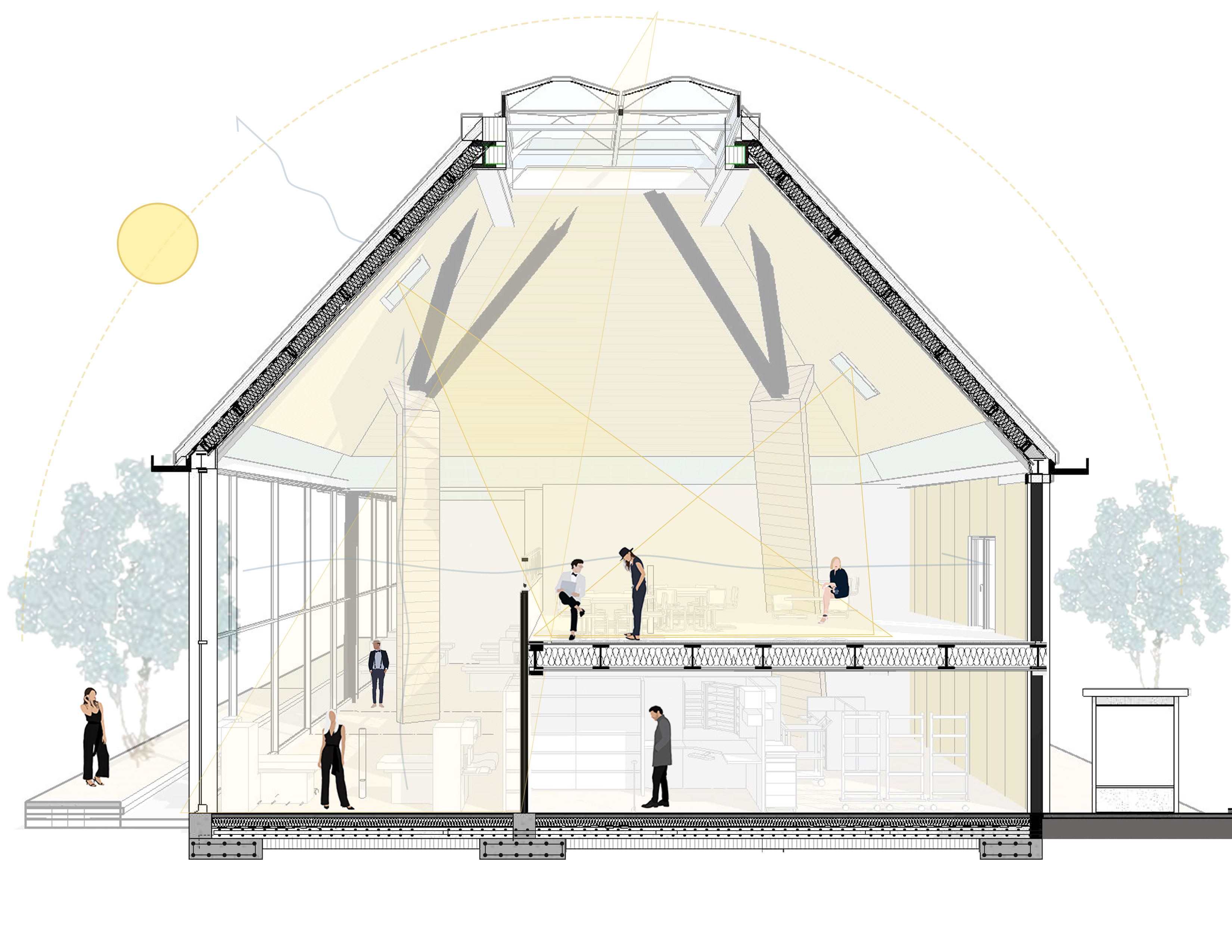
Typology: Territorial Project In the face of climate change, design must address waste reduction and support a circular economy.
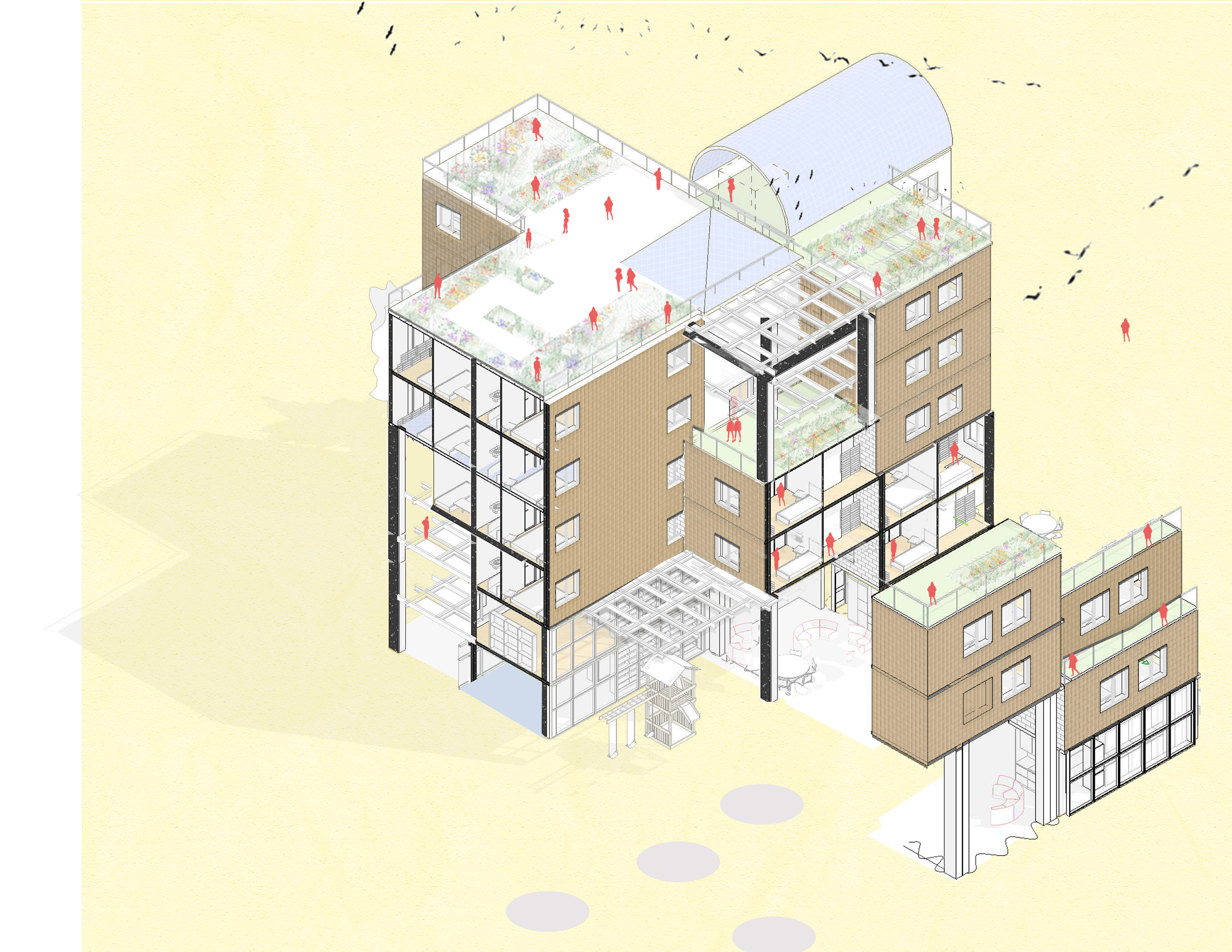
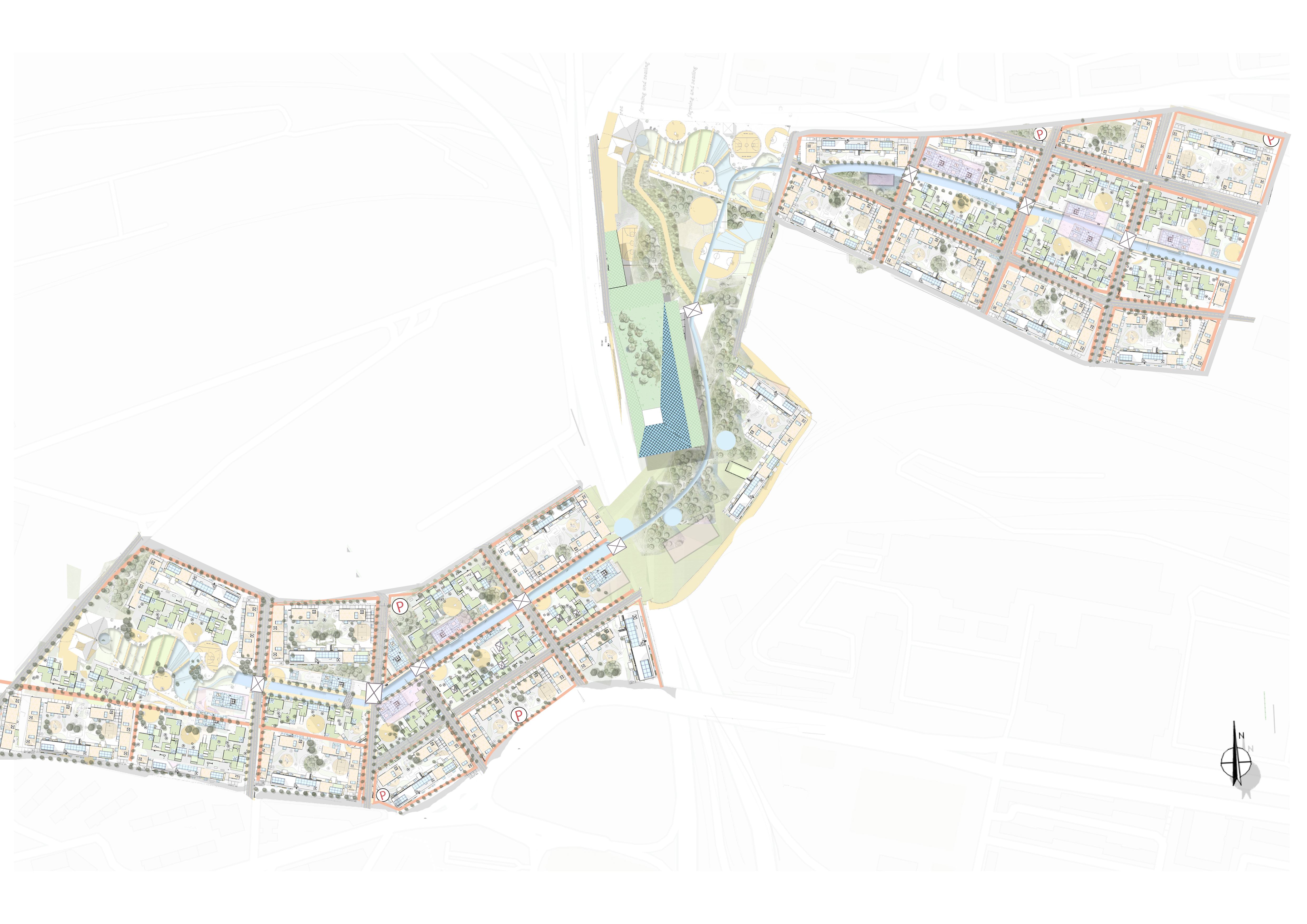
This project envisions a flexible rural-urban living complex that accommodates a thriving startup district while allowing rural life to flourish.
By enabling remote work with occasional office visits, rural communities can remain vibrant, reversing depopulation trends.
The complex integrates waste management infrastructure, connecting households directly to waste-to-energy facilities and green workshops.
Housing units are arranged to support flexible living for diverse rural and urban residents, fostering cultural exchange and collaboration.
Green workshops provide spaces for knowledge sharing and innovation, while also creating production and market opportunities for small-scale producers, bypassing intermediaries.
The design combines sustainable living, economic opportunity, and community, bridging the gap between rural and urban life.
×
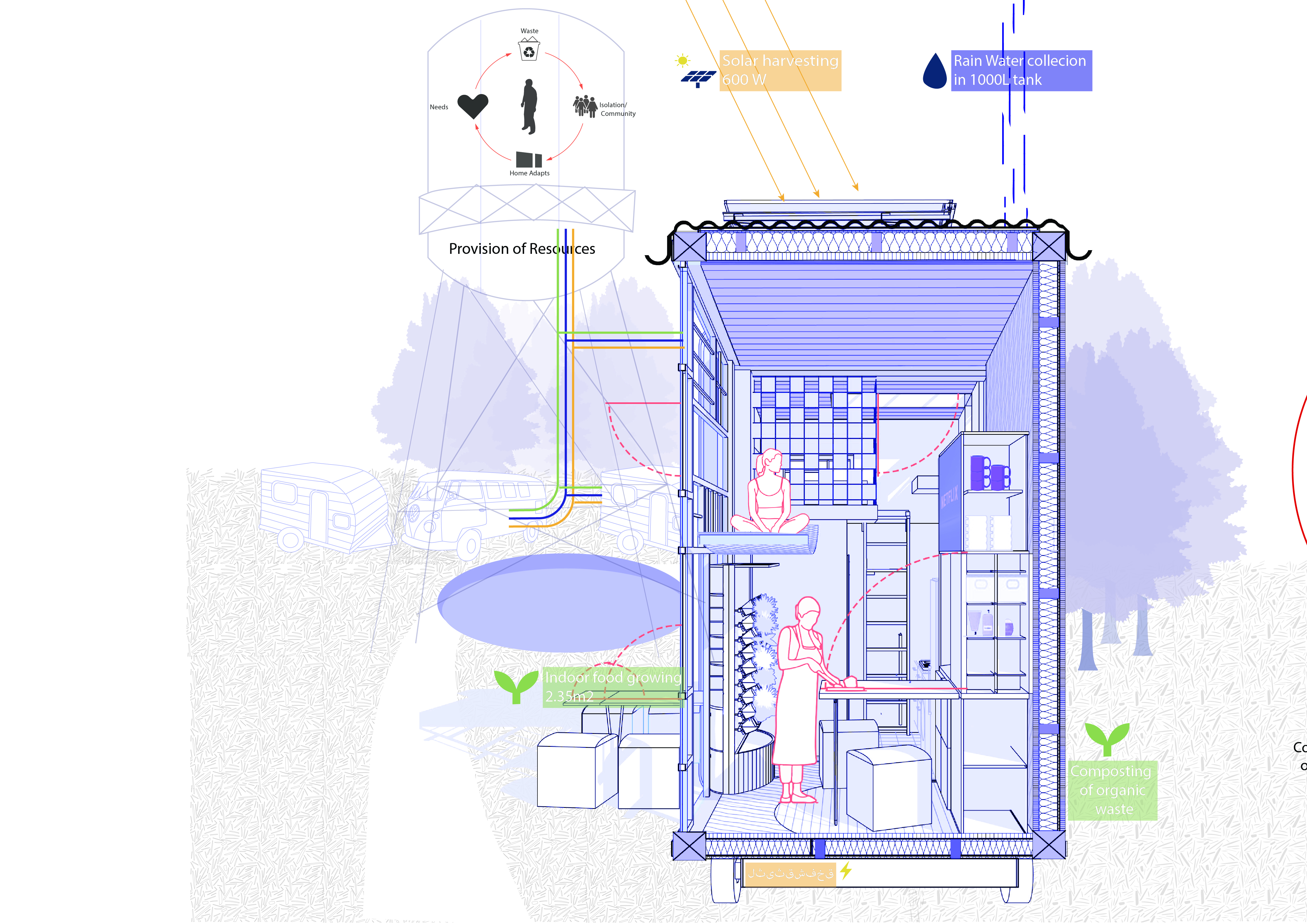
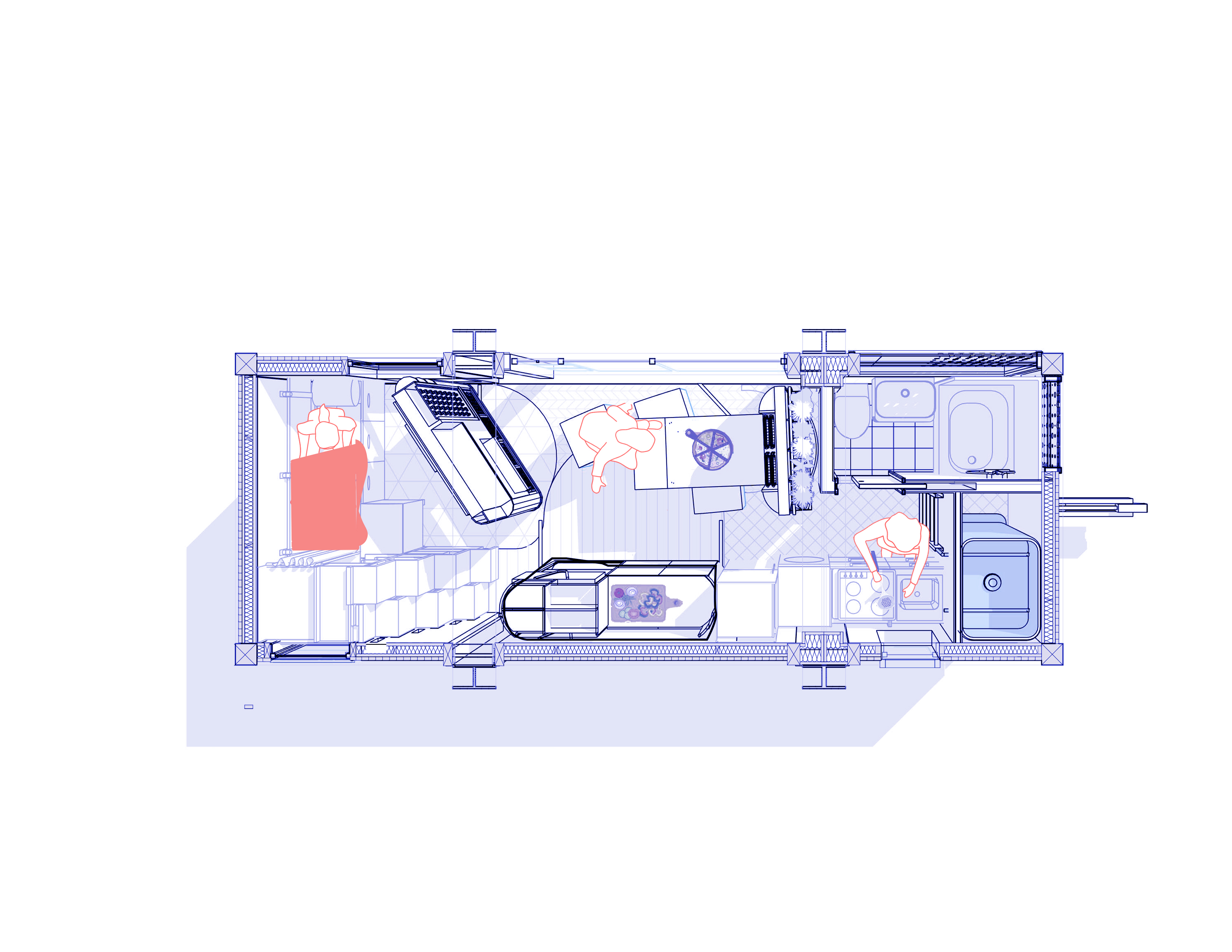
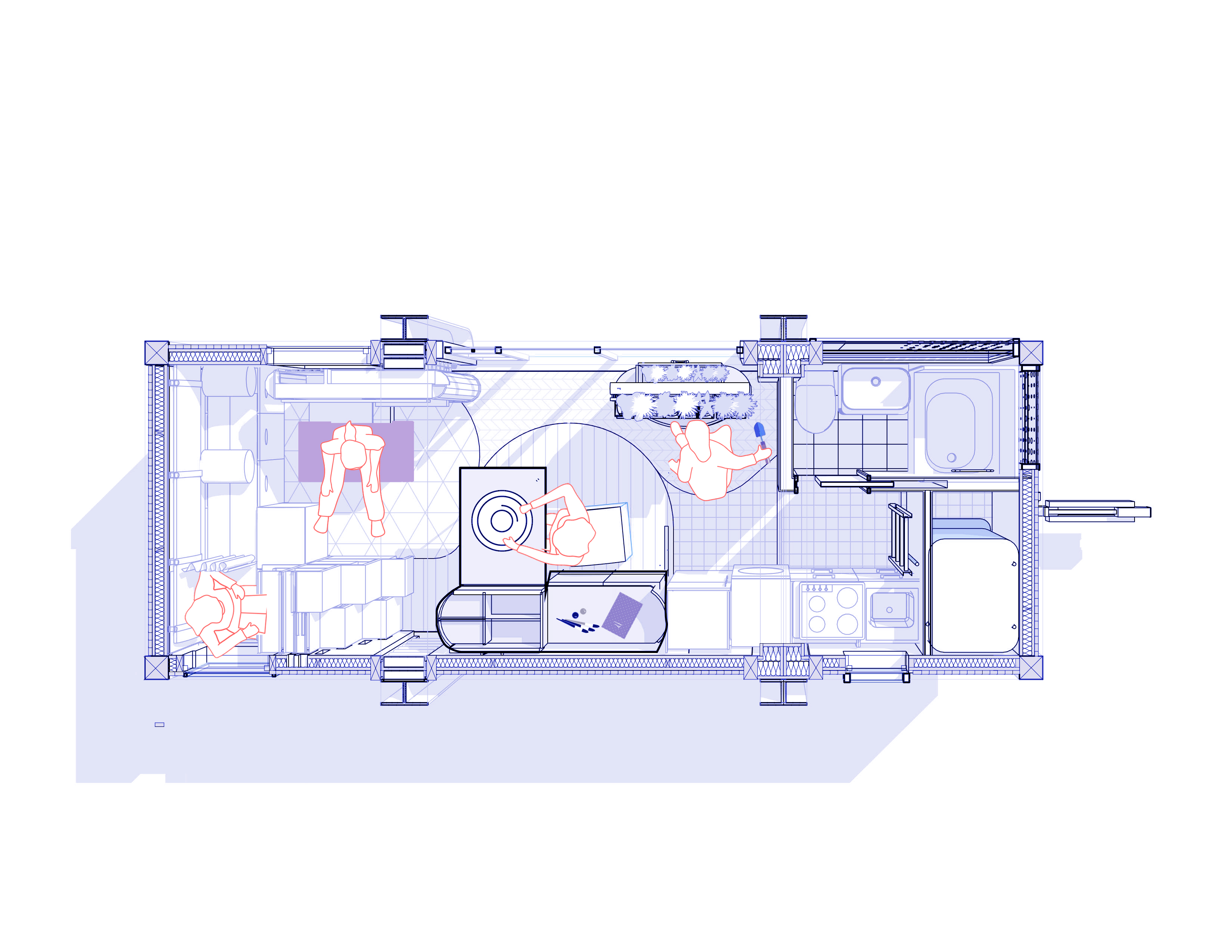
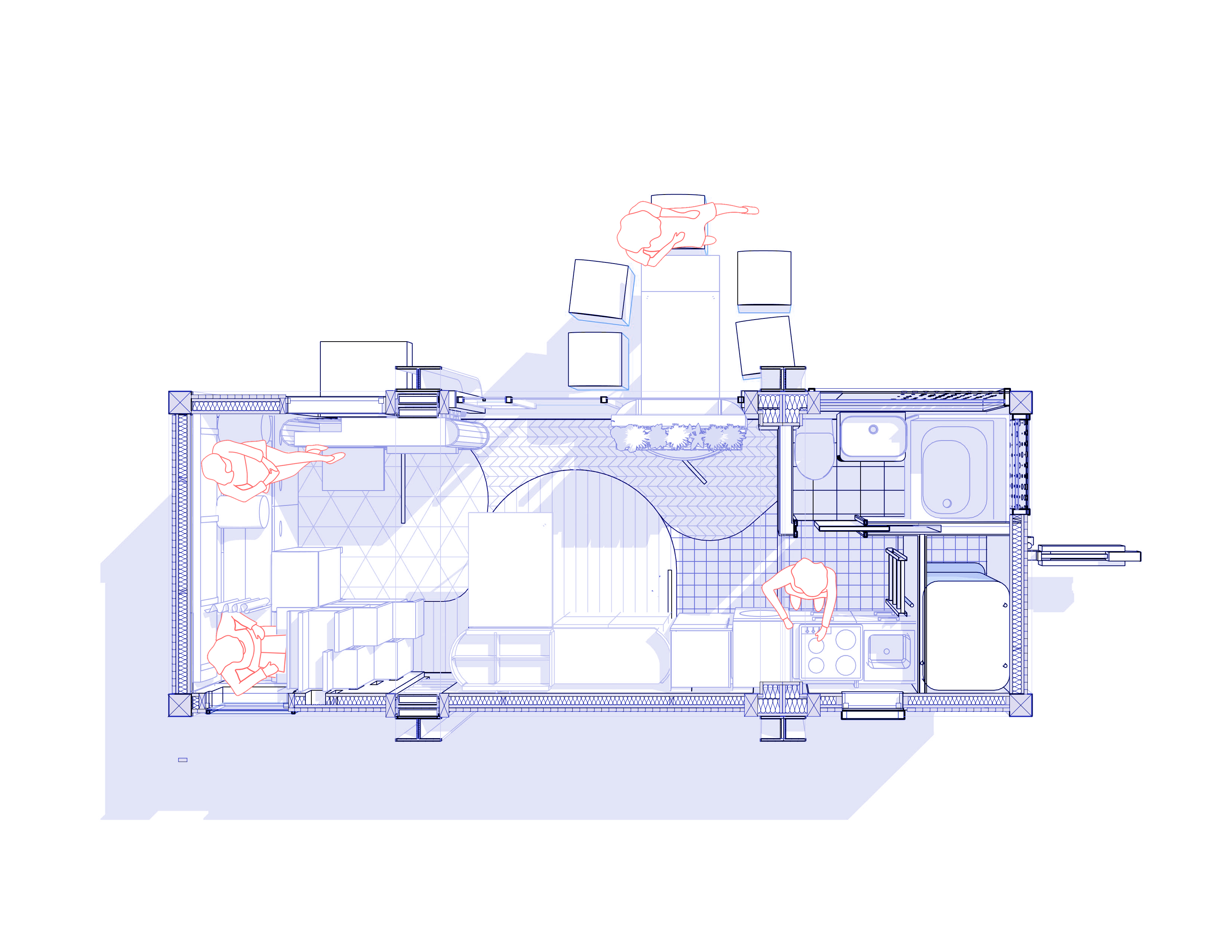
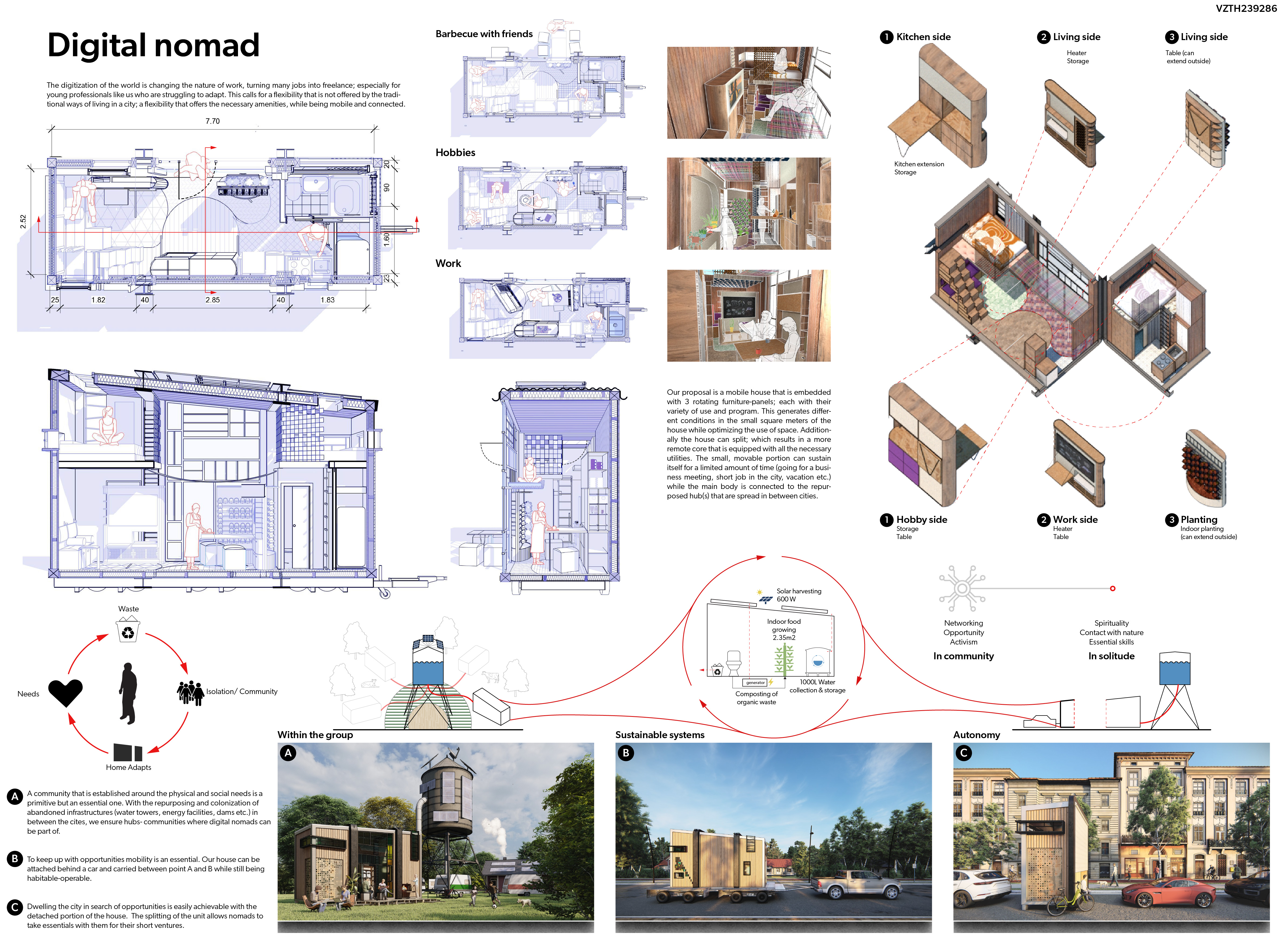
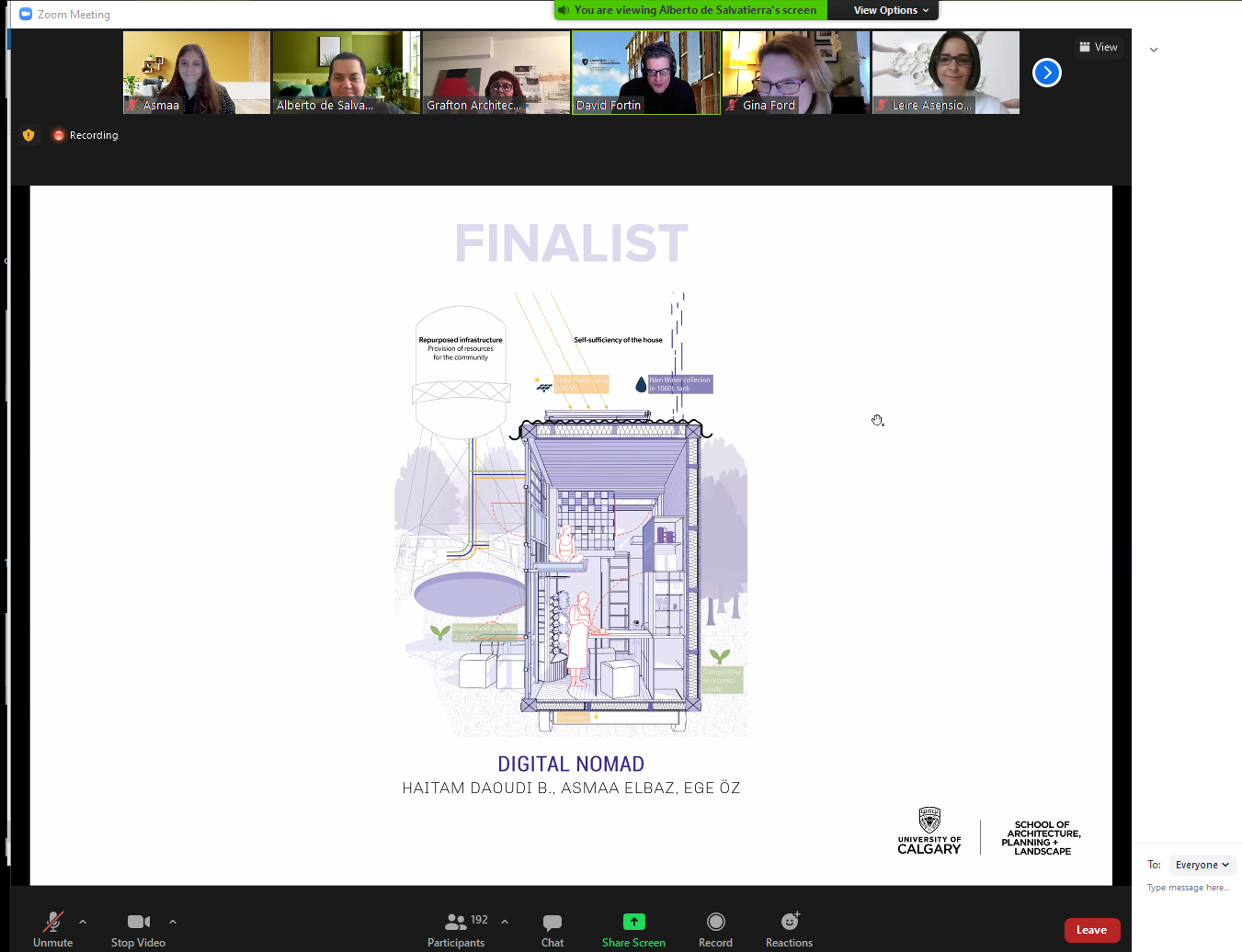
The Nomad's Core
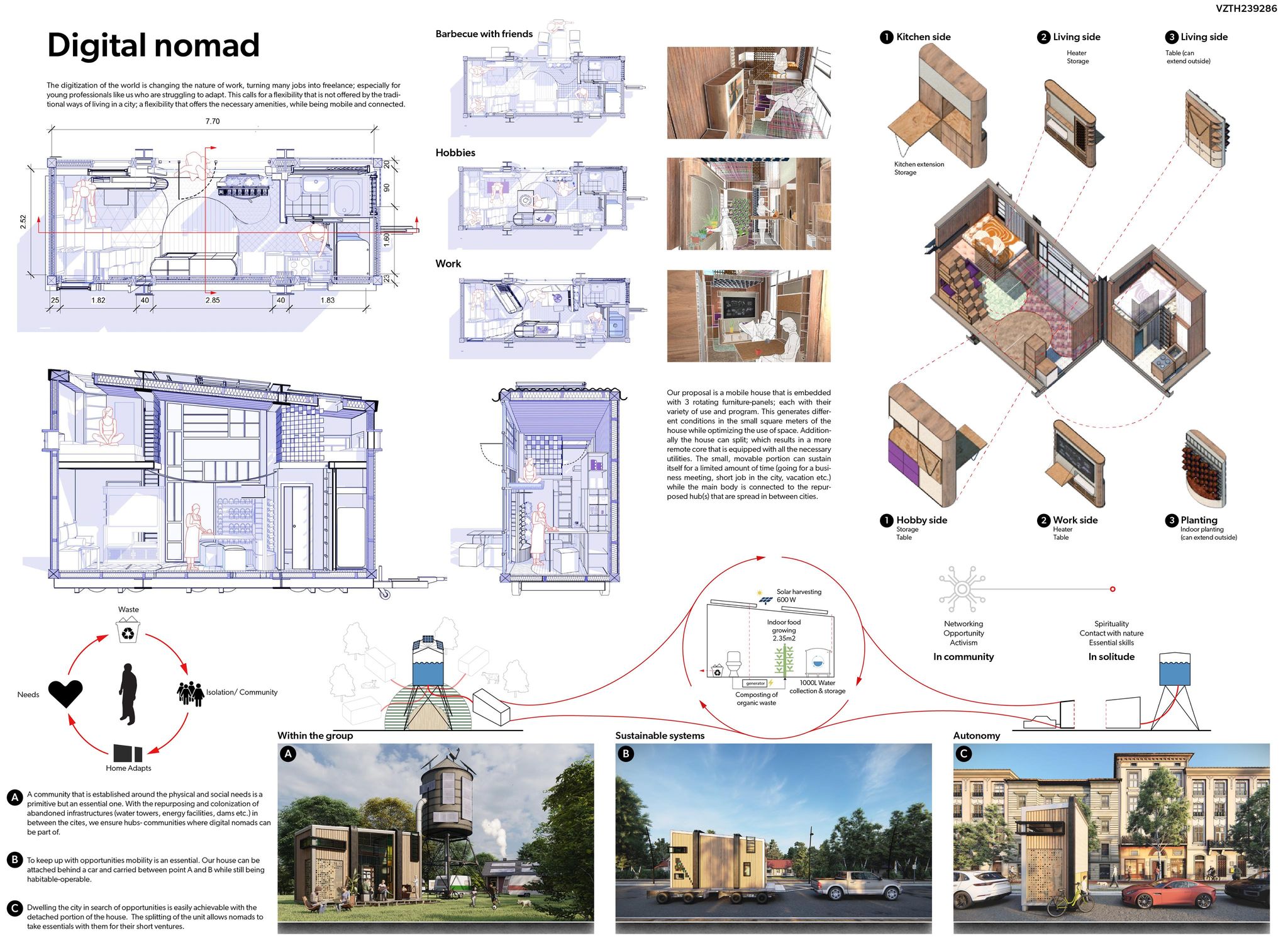
The digitization of work has transformed many jobs into freelance roles, especially for young professionals navigating this transition.
This shift demands flexibility—something traditional urban living no longer provides.
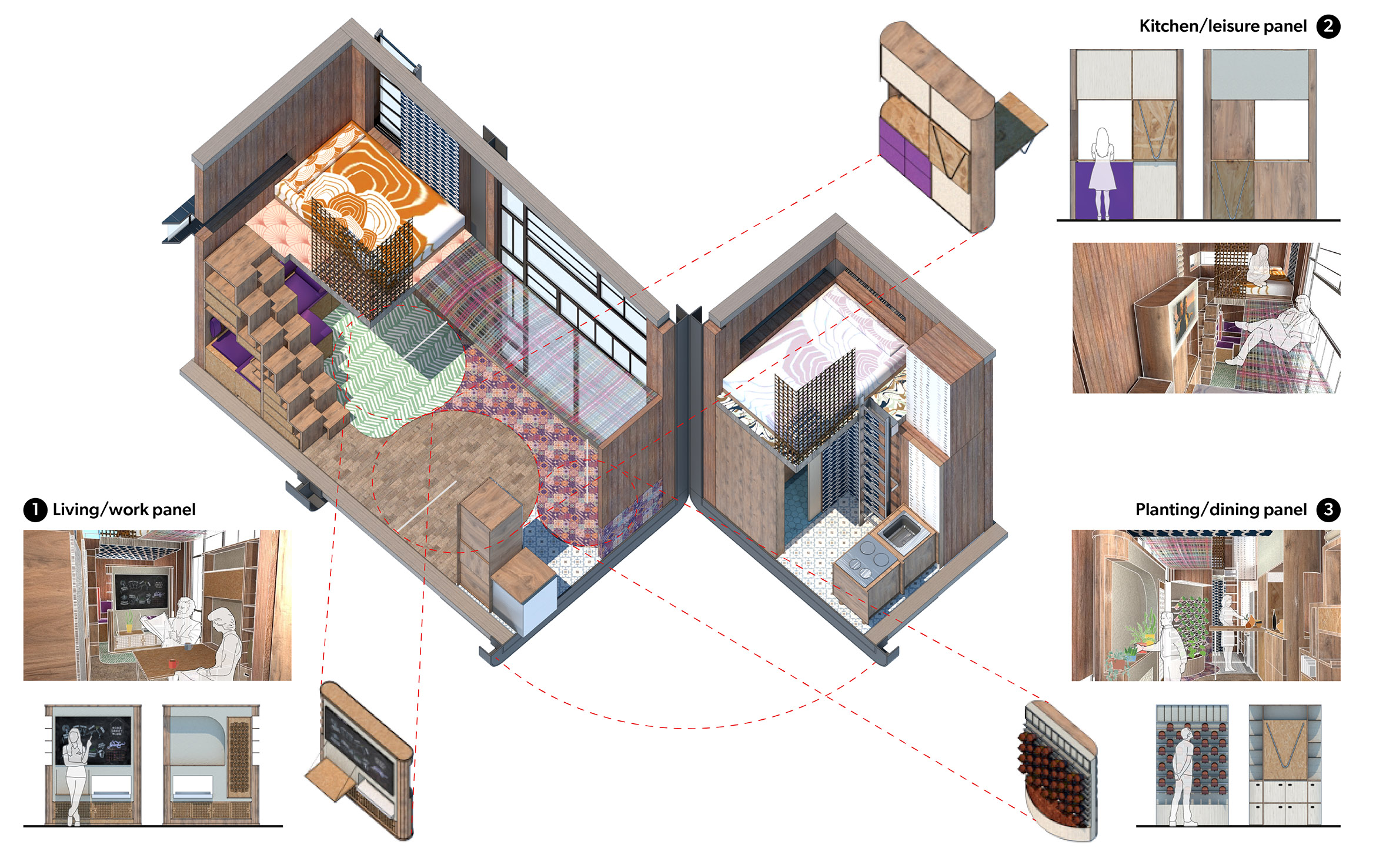
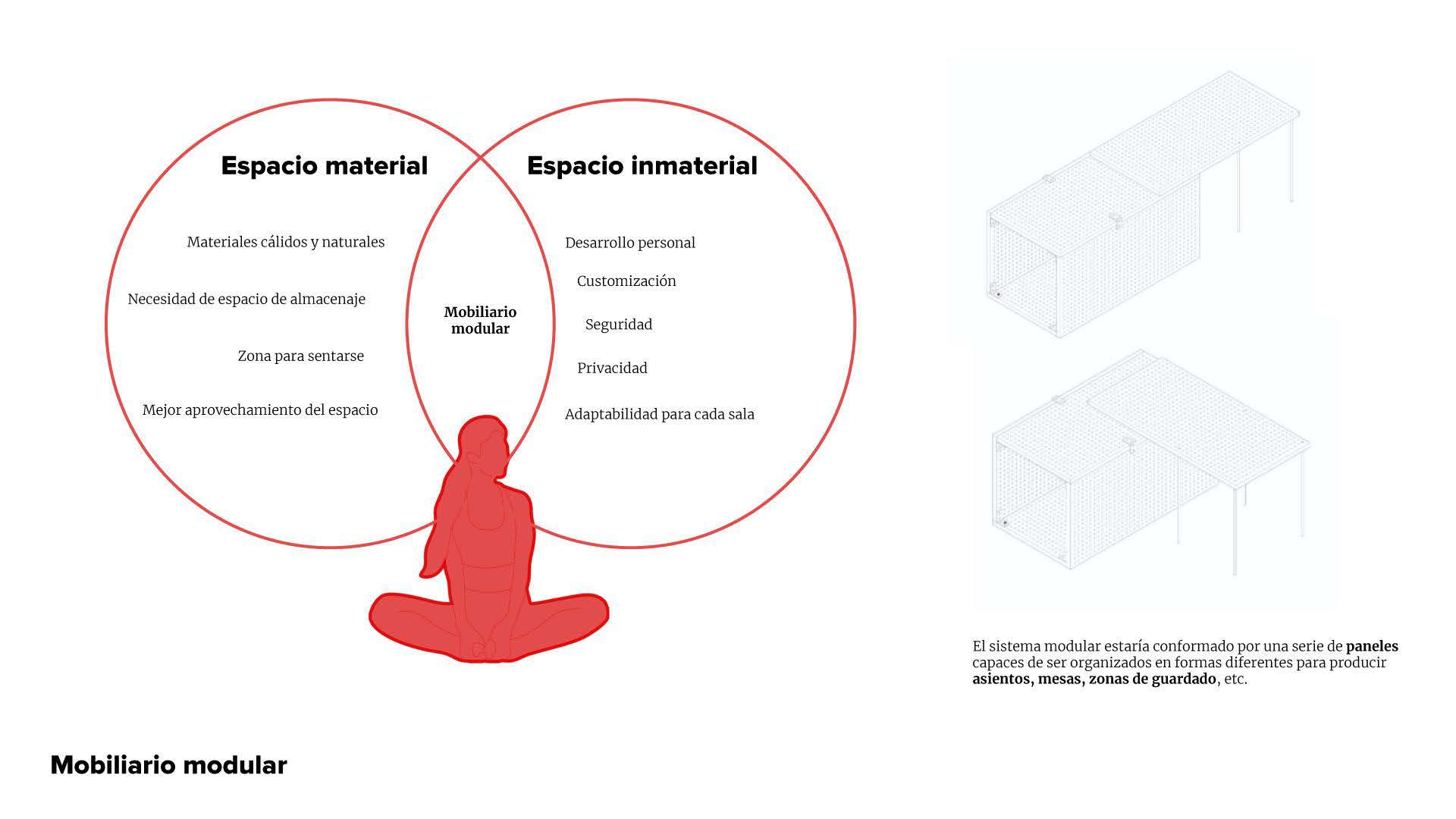
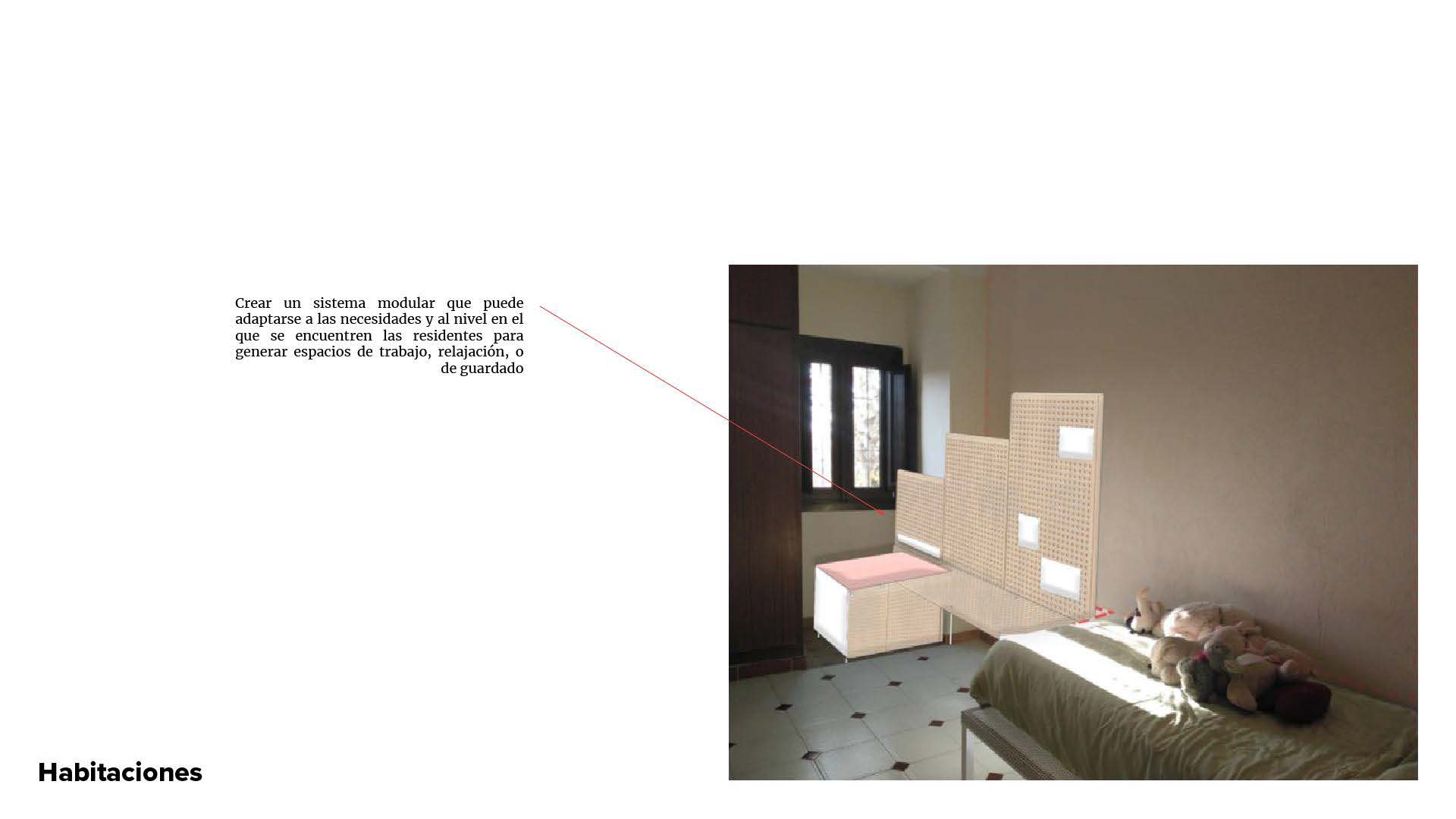
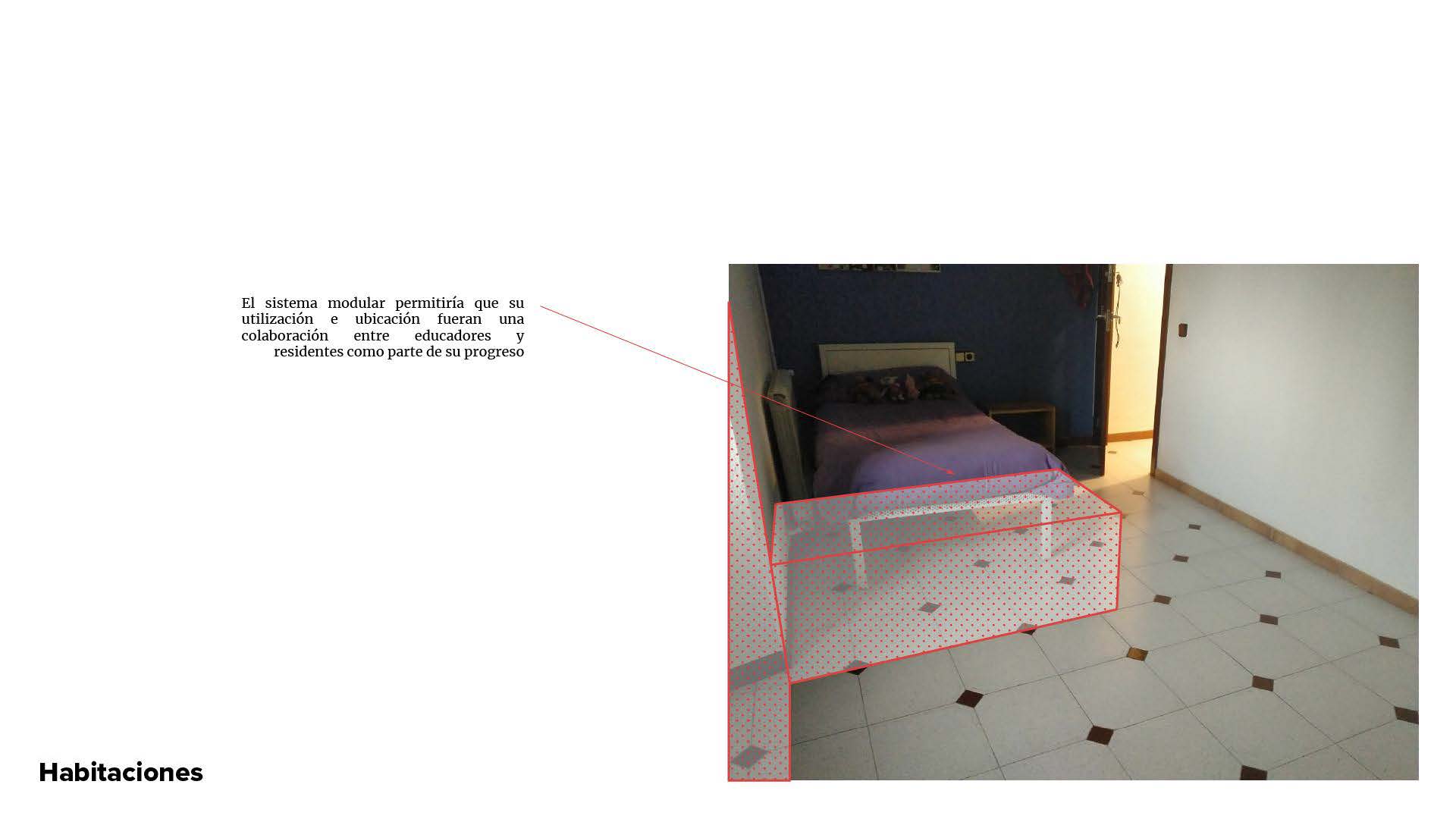
Our project addresses this need through a mobile house design equipped with three rotating furniture panels, each serving multiple functions to maximize spatial efficiency.
The house can also split into two parts: a compact, self-sufficient core for short trips or work assignments, and a larger, stationary body connected to repurposed infrastructure hubs between cities.
Echoing Aristotle’s idea of humans as “political animals,” the design balances collective and individual needs, enabling people to gather for community and learning while retaining the freedom to detach and pursue personal goals.
×






La Bombolla
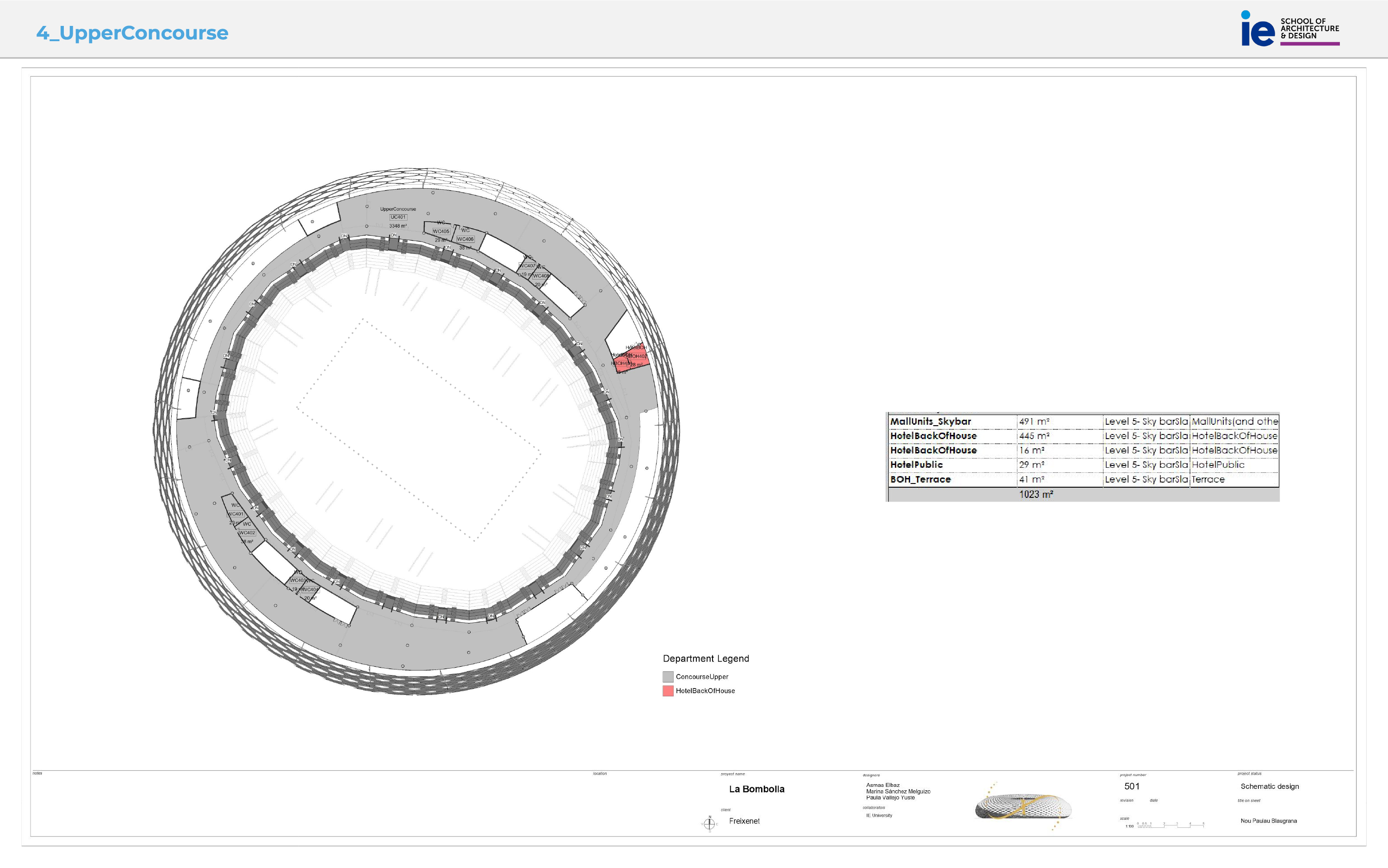
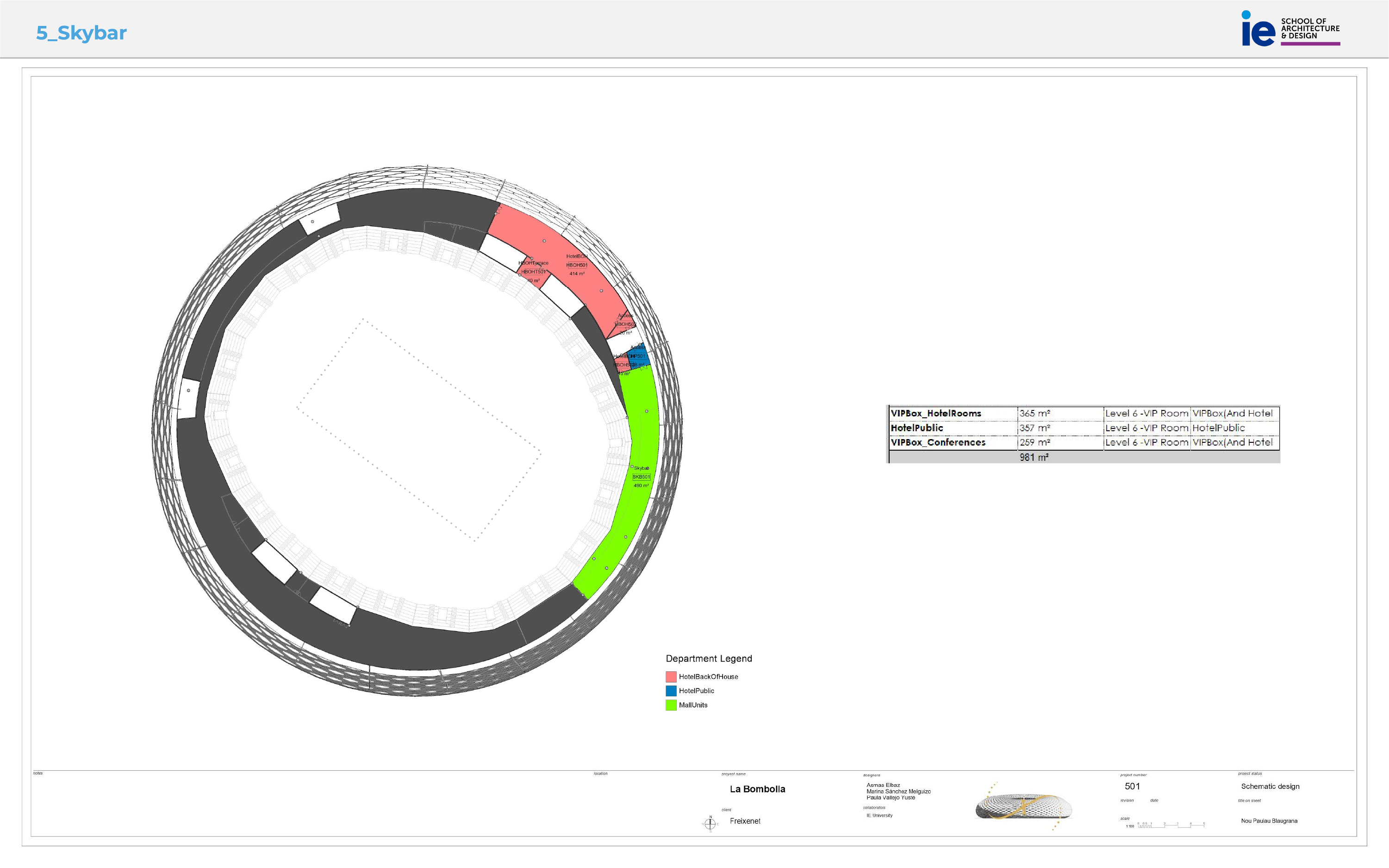
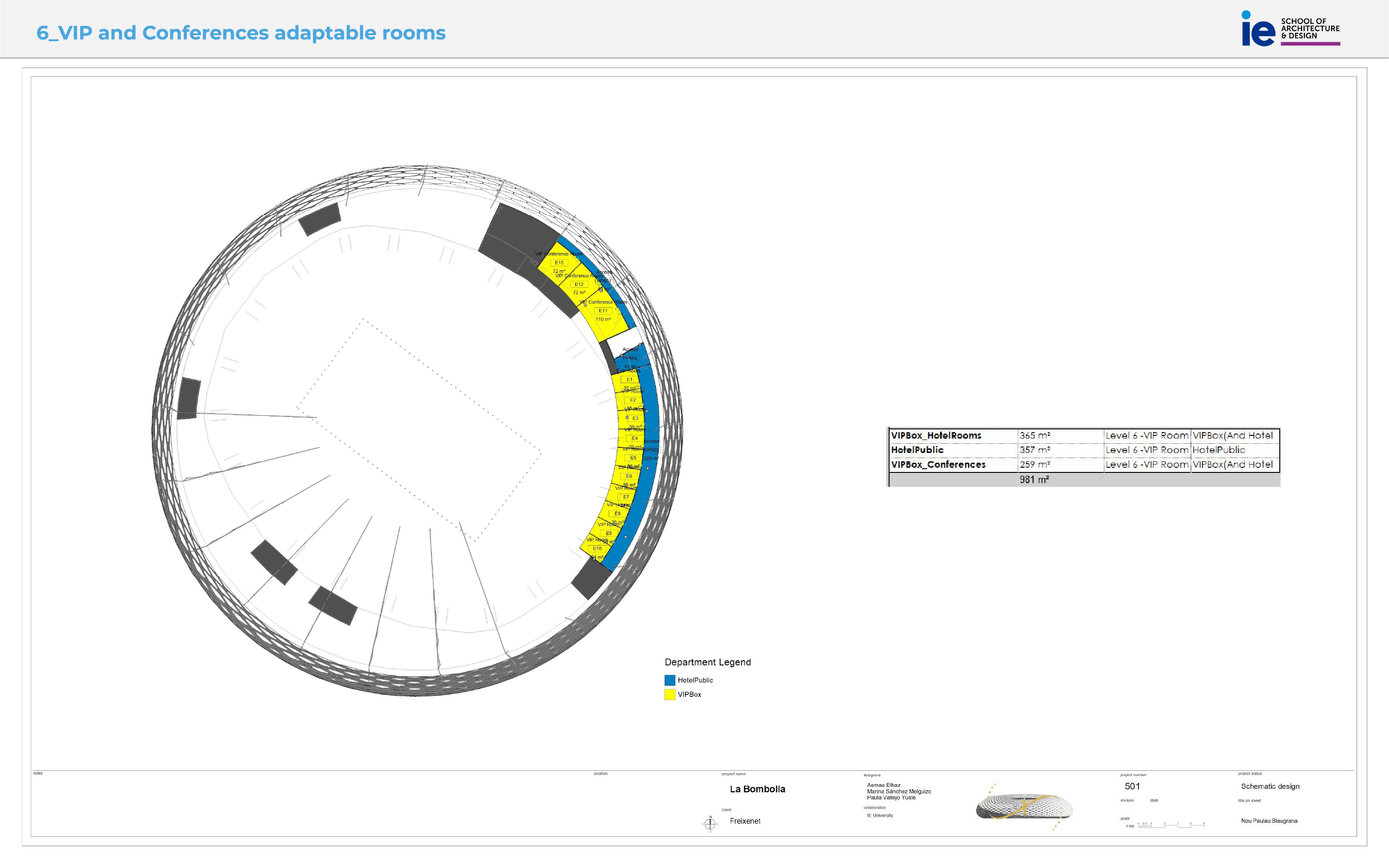
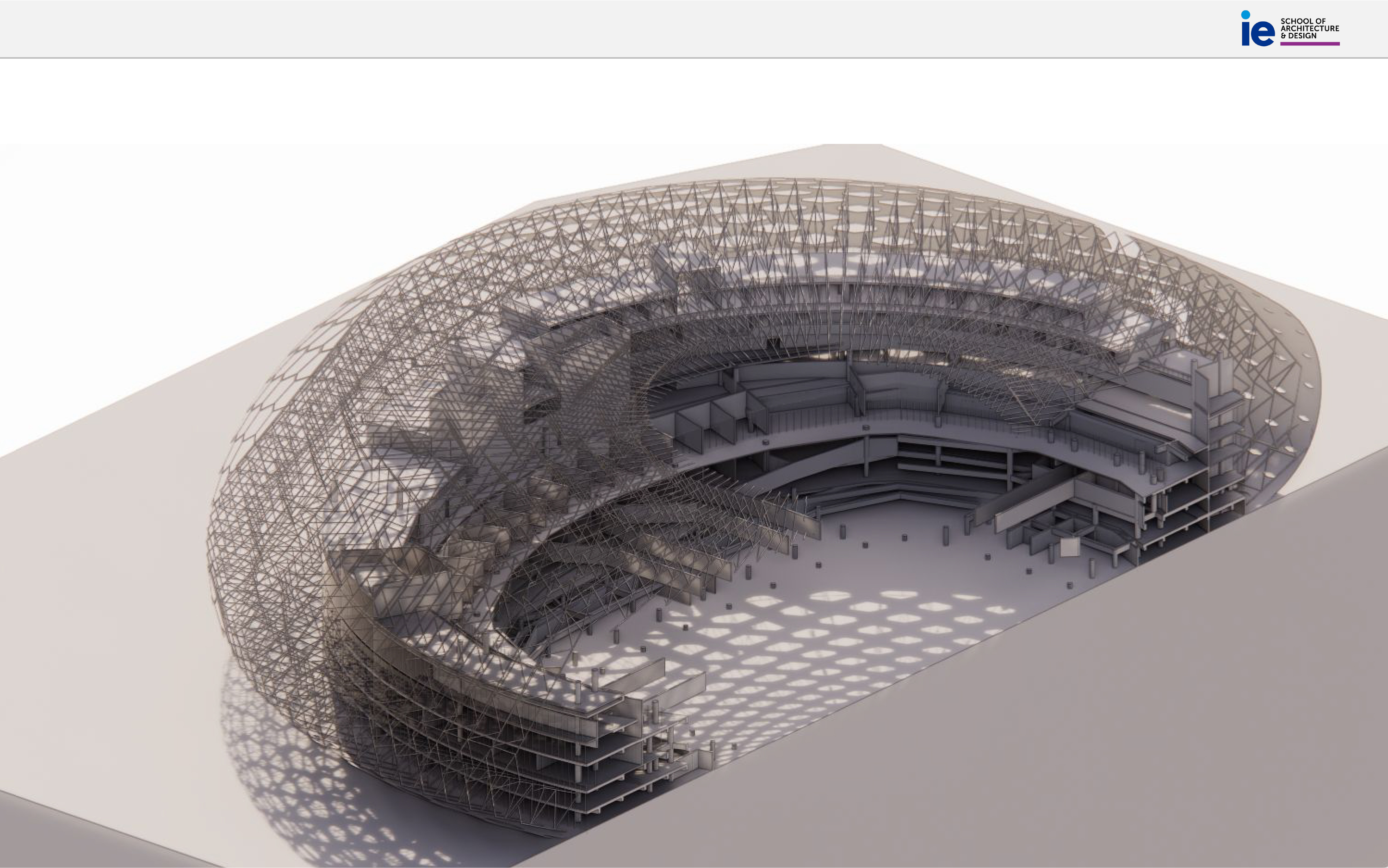
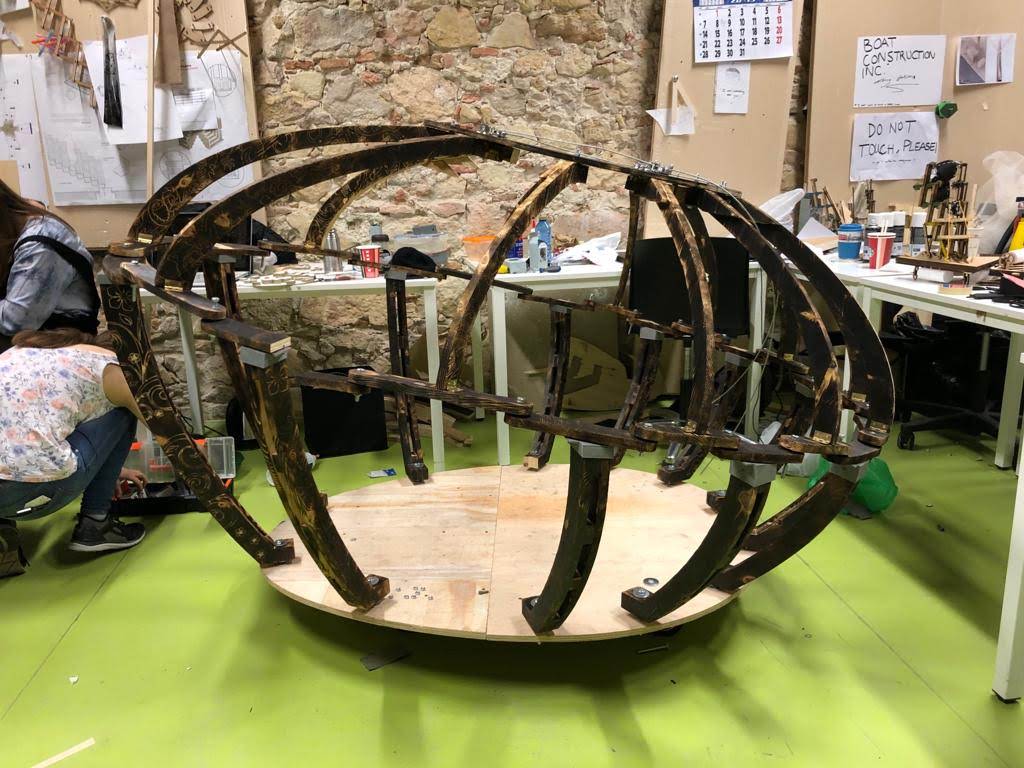
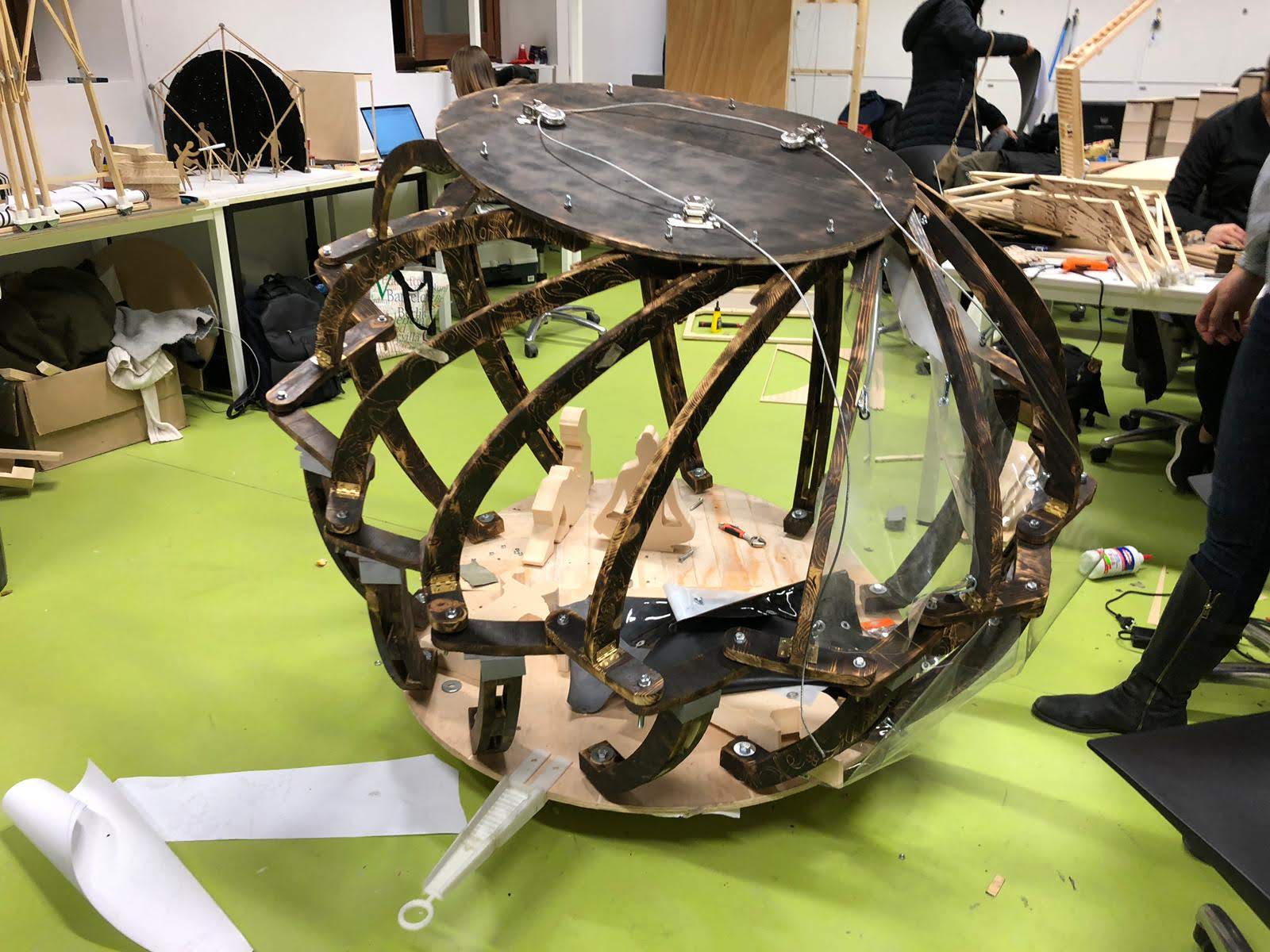
As part of a three-week intensive workshop at IE University, this project focused on Revit, Dynamo, and parametric modeling in Grasshopper.
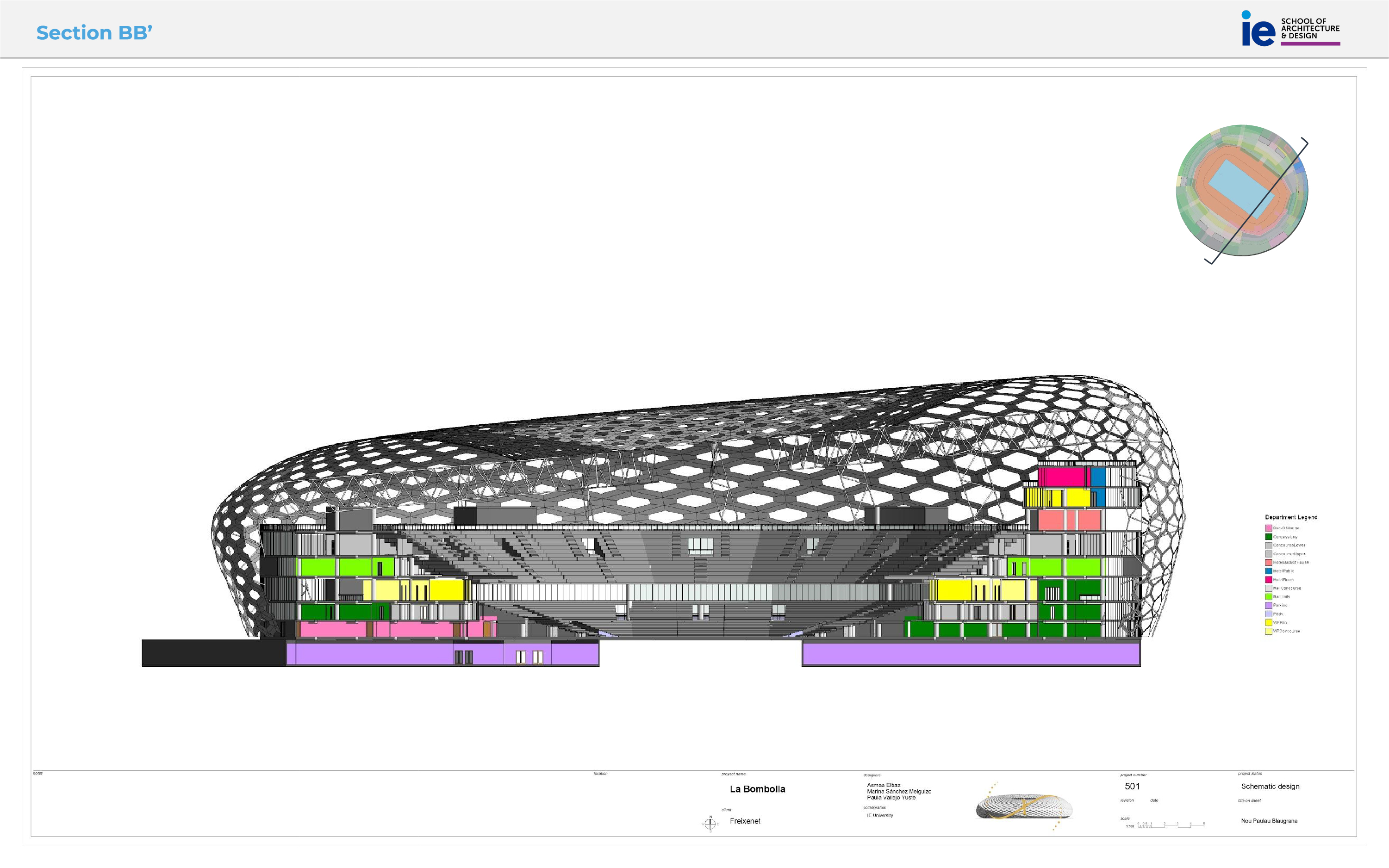
The challenge was to design a flexible stadium for the Barcelona team, accommodating basketball, tennis, concerts, and other programs within a 50,000 m² footprint.
The design demanded precise programmatic organization, aligning with the sponsor Freixenet’s vision while ensuring profitability.
Deliverables included a comprehensive profitability study, full structural design, and retractable roof and facade systems.
Parametric design enabled a community-centered stadium, integrating public spaces and workshop areas.
The iconic bubble-shaped form (“La Bombolla”) reflects the brand identity and was optimized for sunlight and environmental performance.
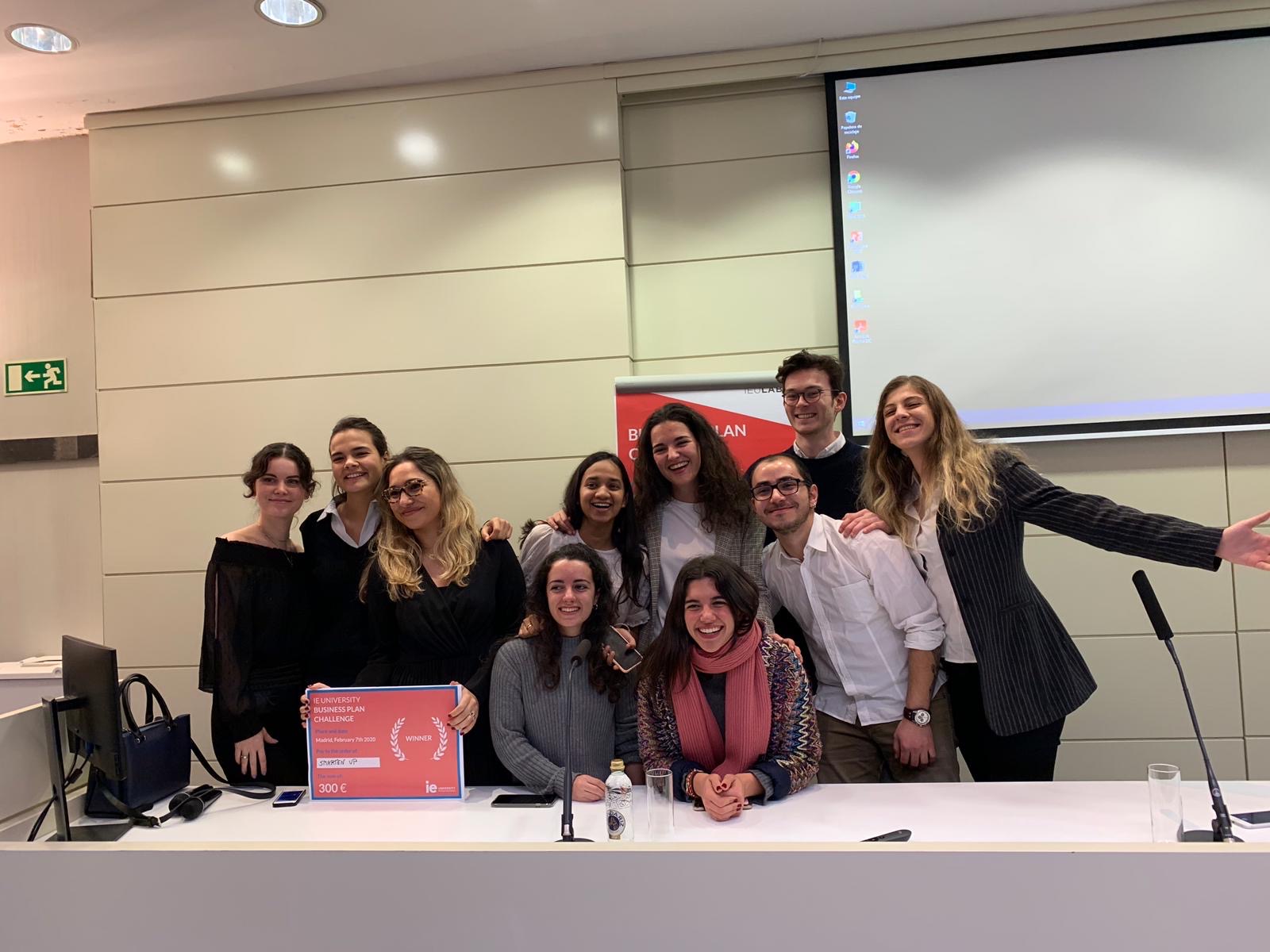
Award: Winner of IE University’s 2020 Internal Design Competition – Recognized as the Most Innovative and Visionary Proposal Among Eight Finalists
×
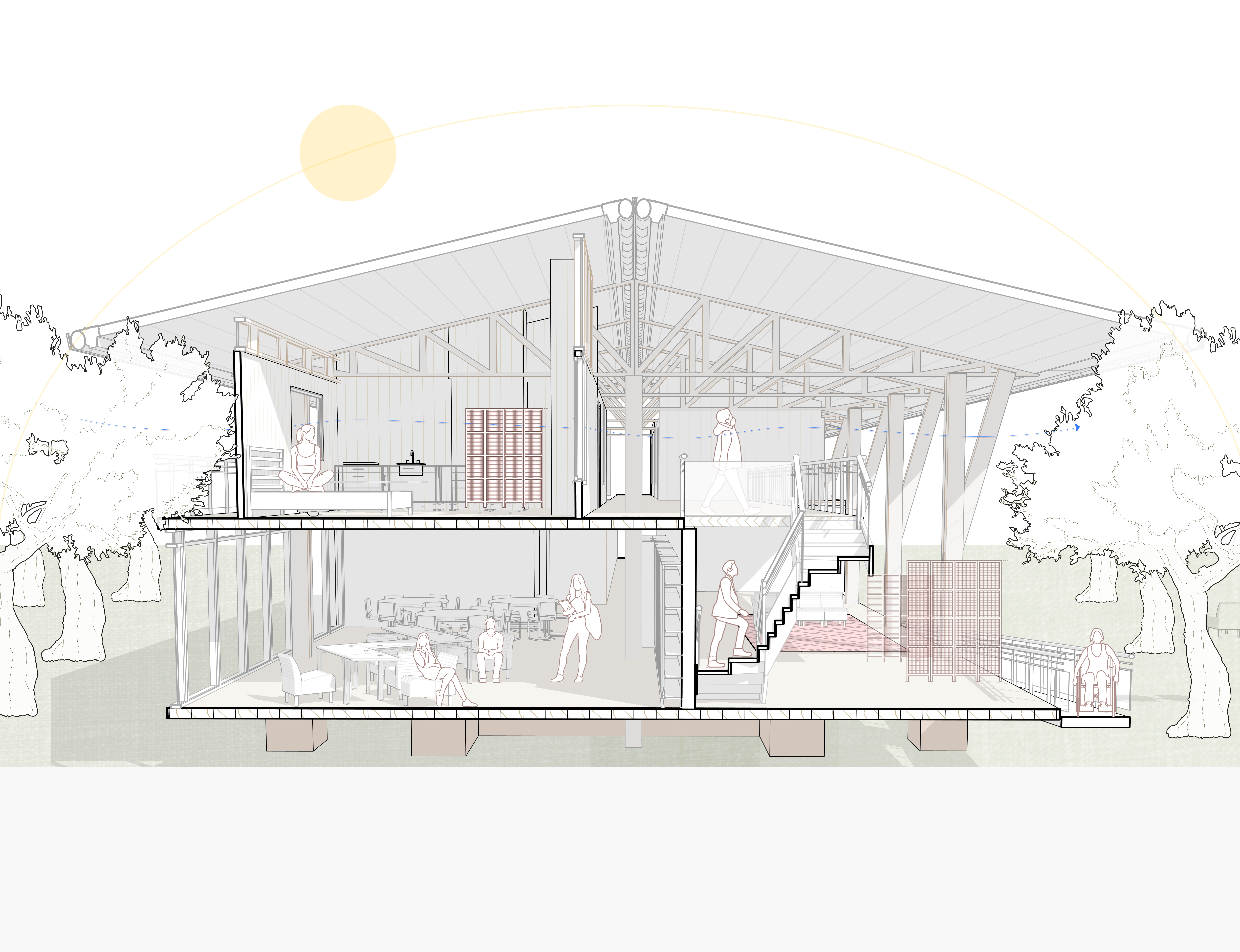


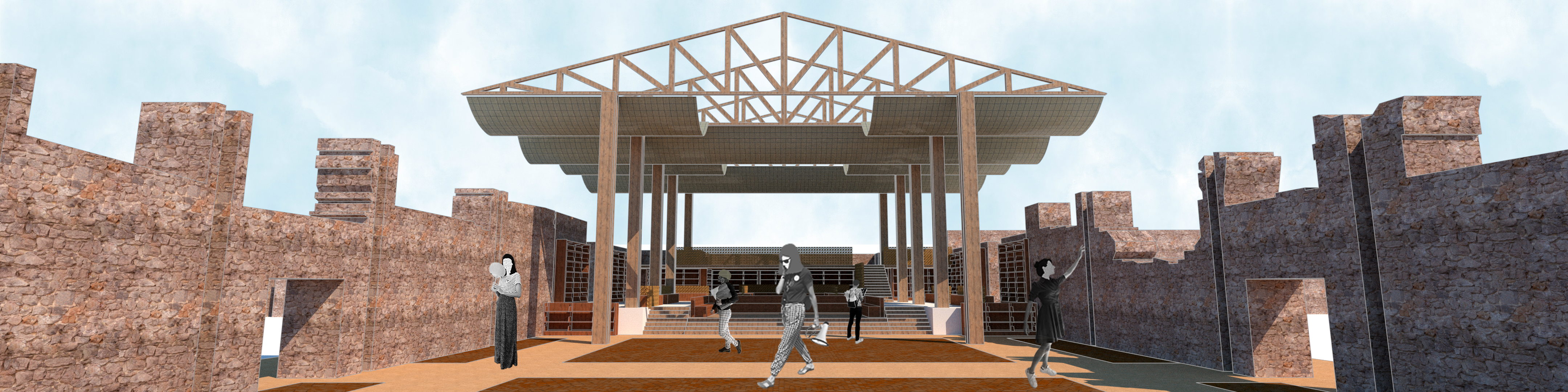


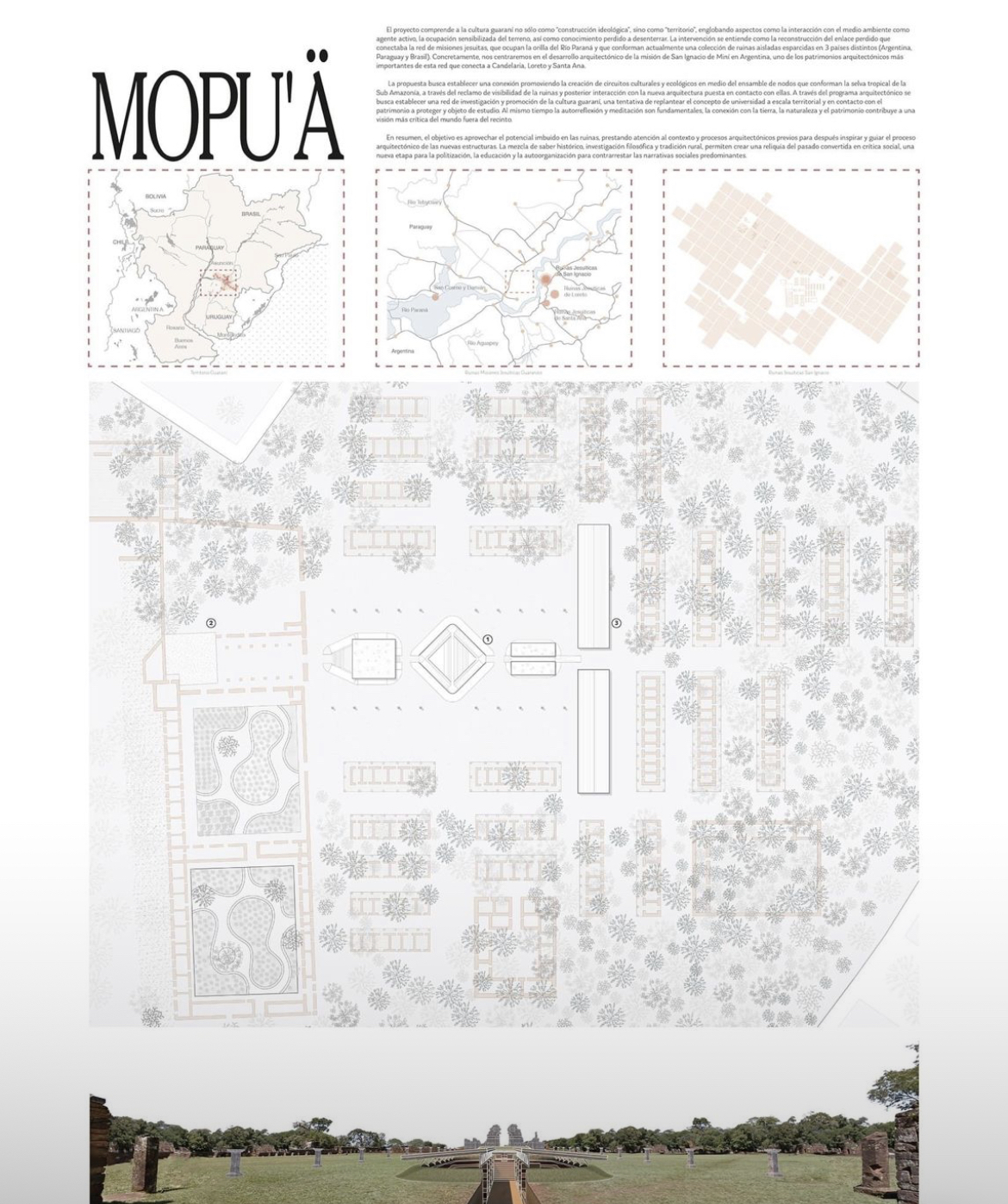
Reclaiming the Guaraní
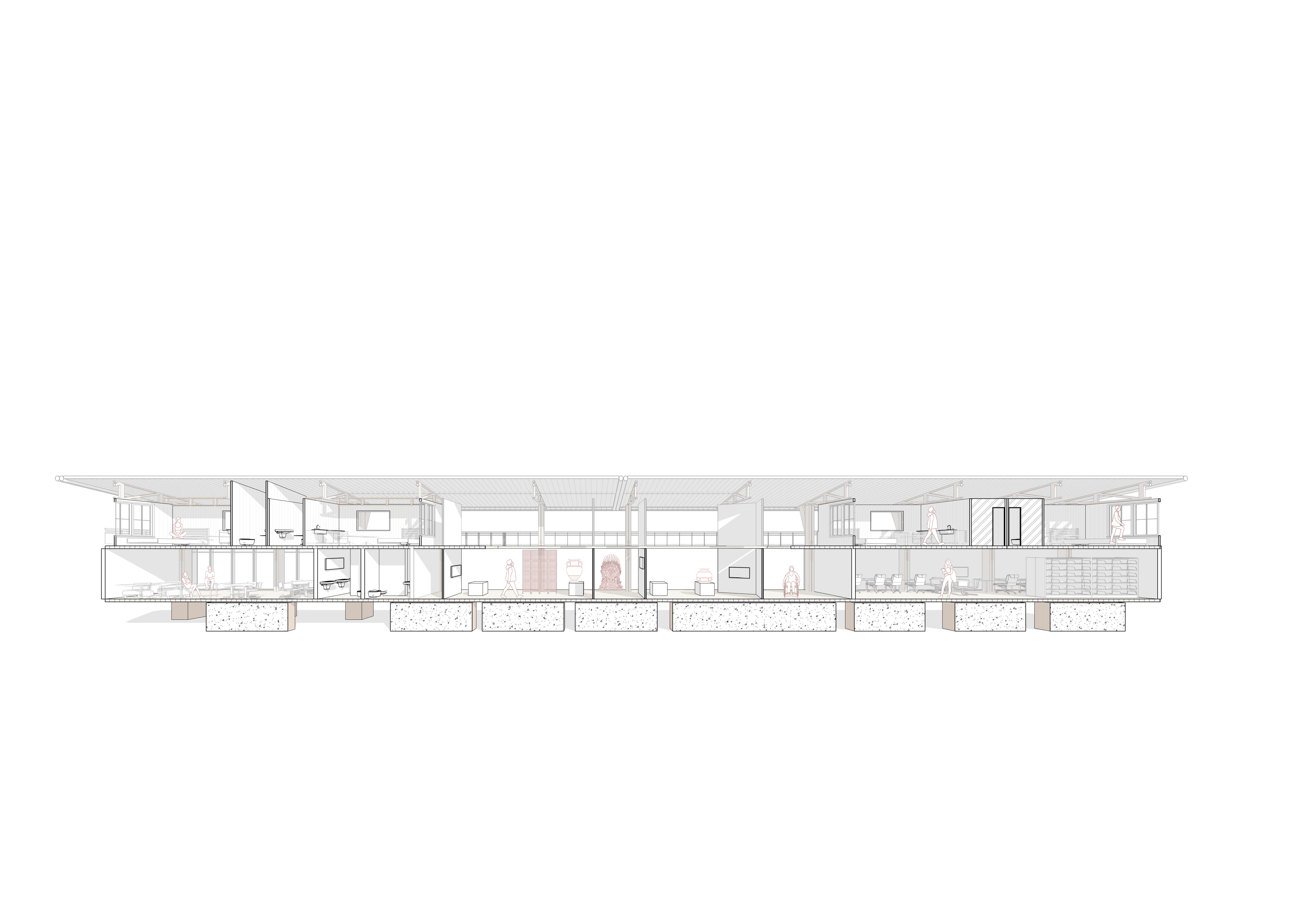
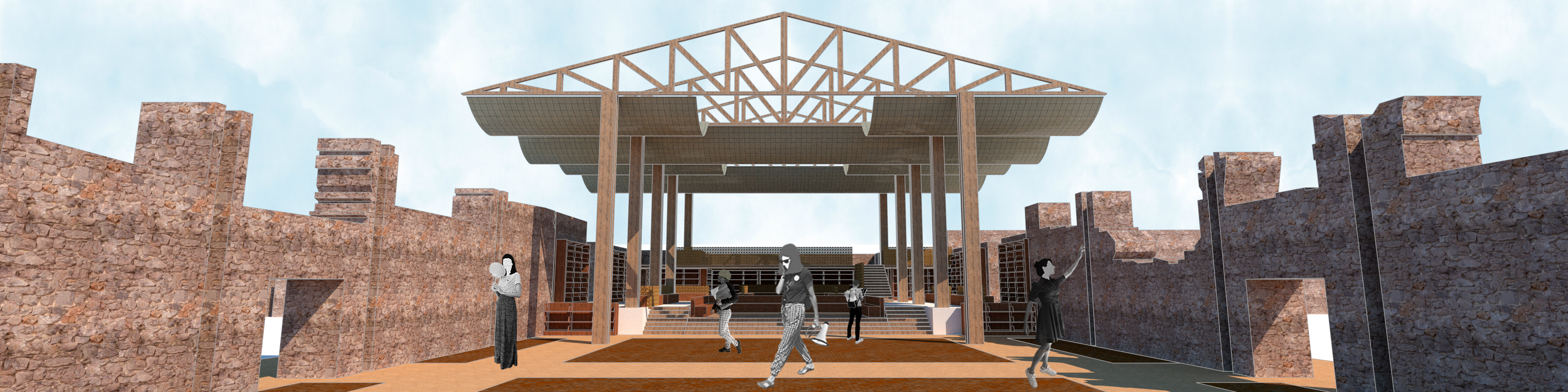
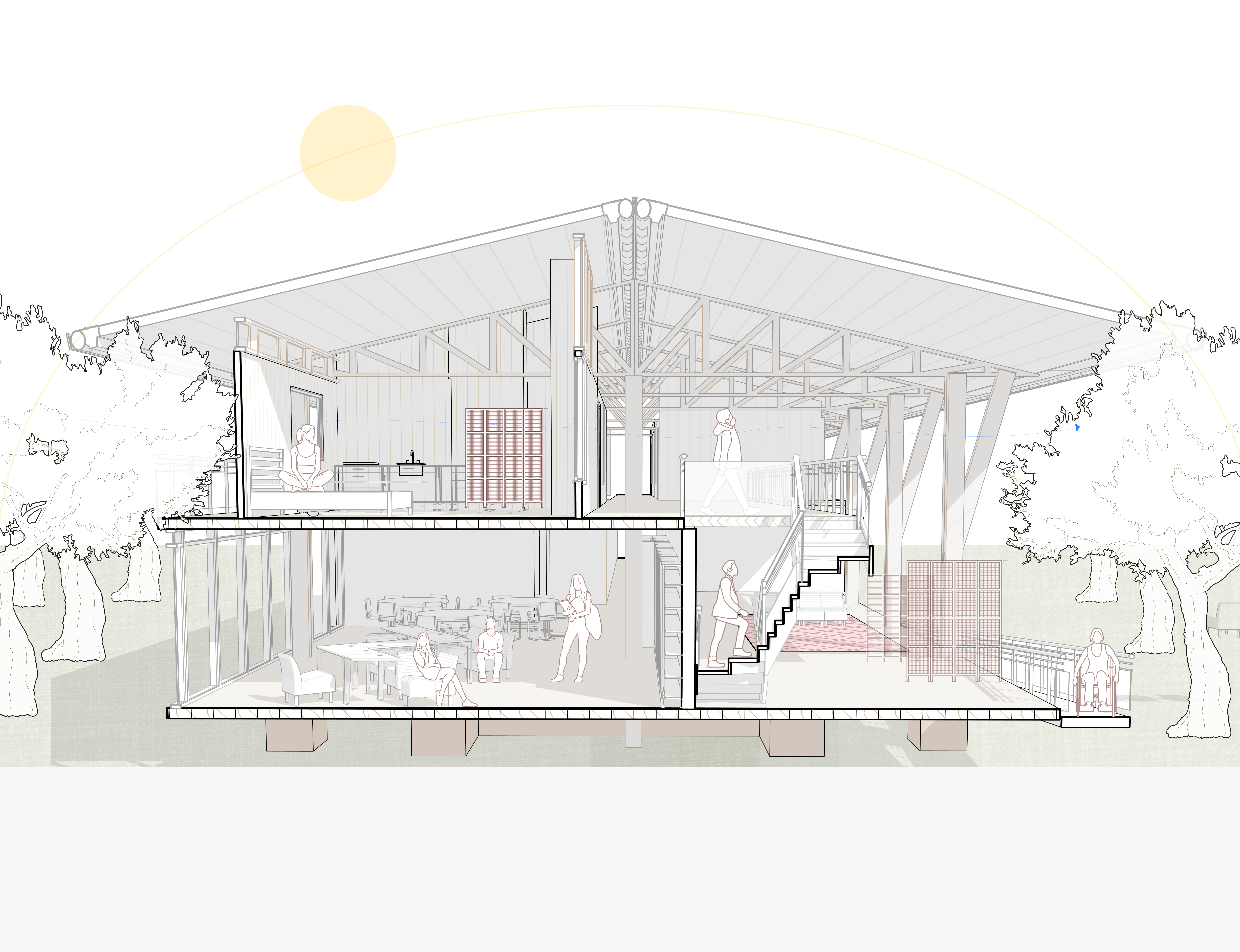
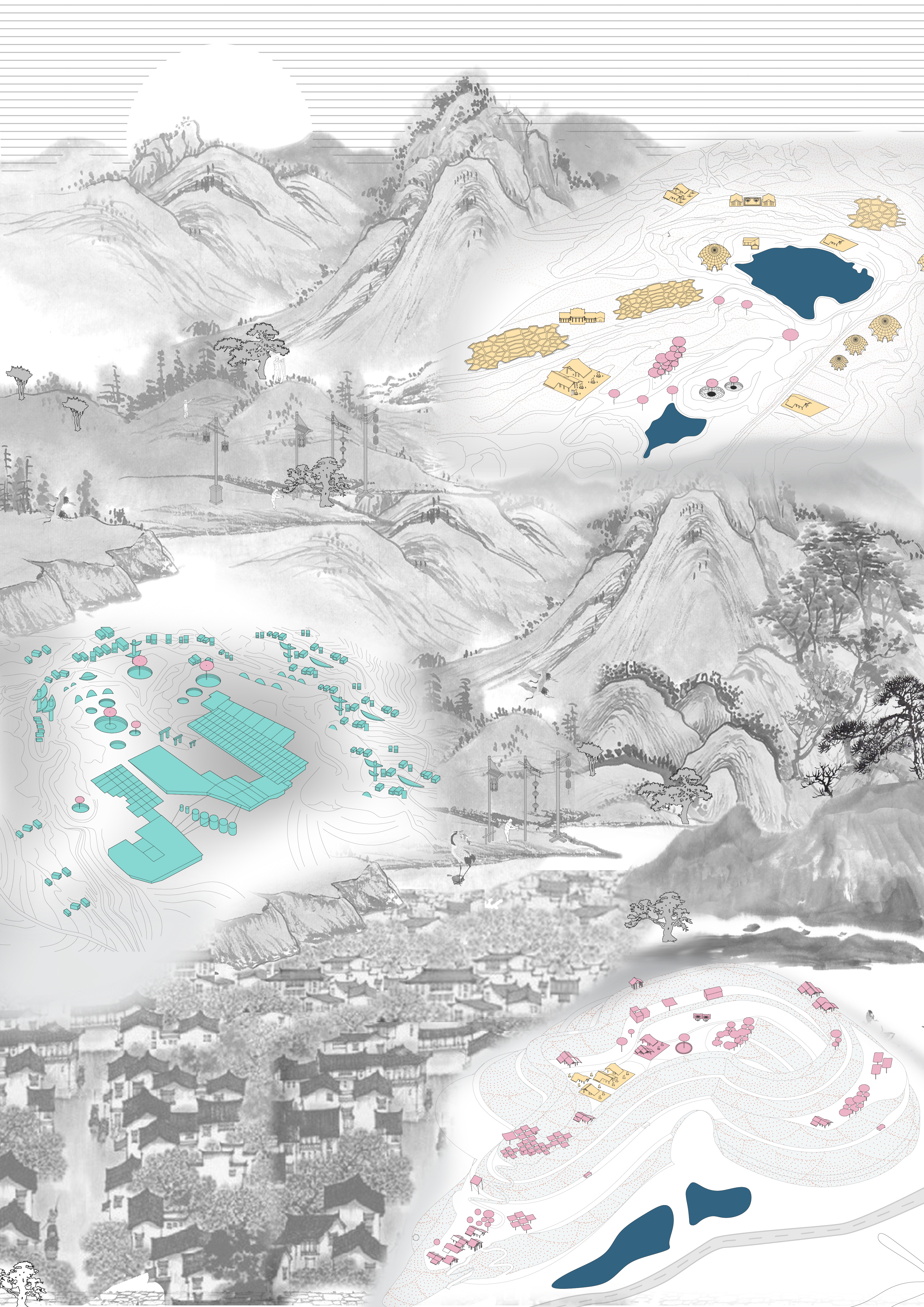
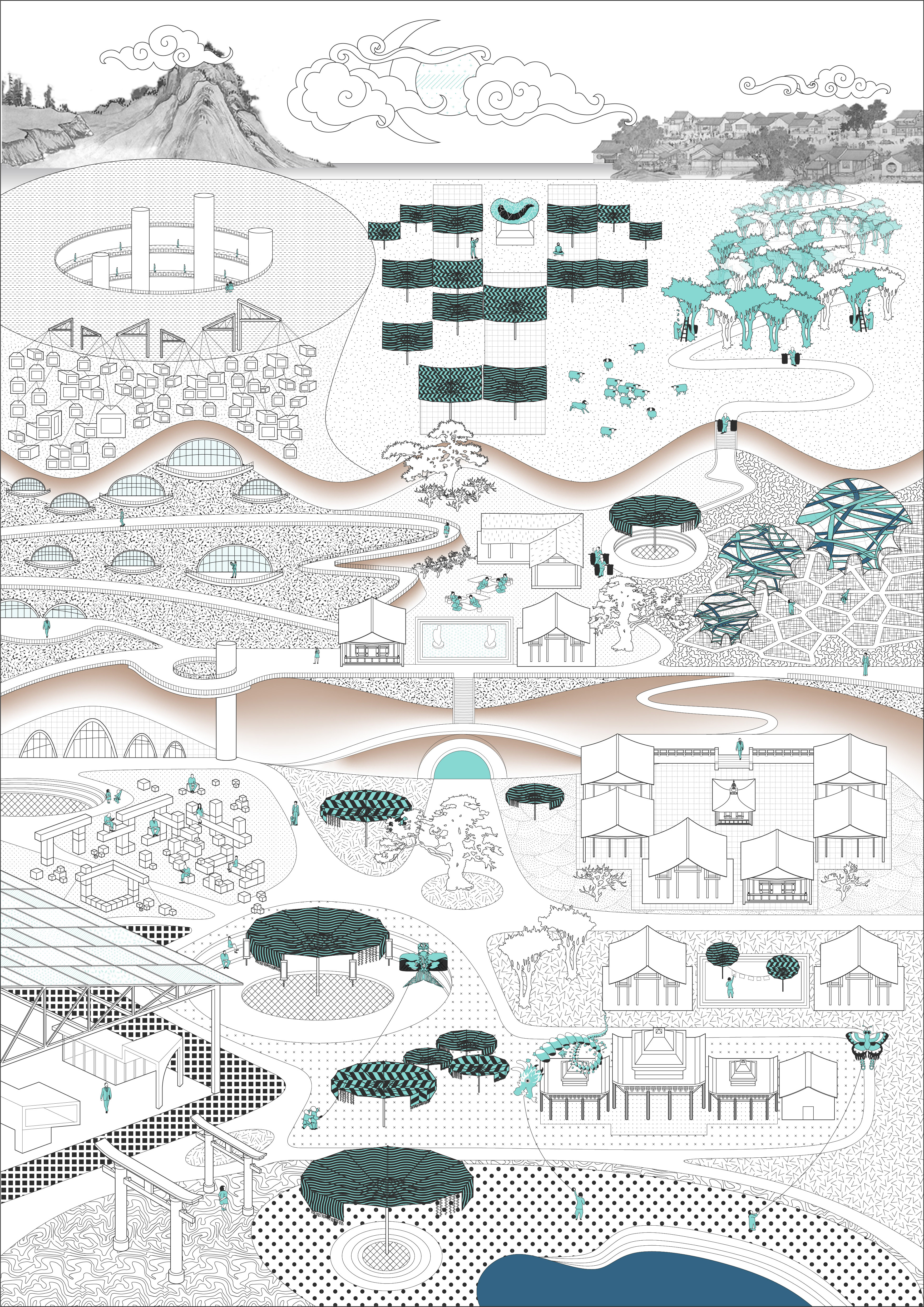
The project reinterprets Guaraní culture as a living territory — one that connects people, land , and lost ancestral knowledge. Centered on the San Ignacio Miní Mission in Argentina, it reconstructs the historic network linking the Jesuit missions along the Paraná River across Argentina, Paraguay, and Brazil.
Through housing and cultural spaces, the proposal seeks to revive the ruins and create new ecological and cultural circuits within the Sub-Amazonian forest. It envisions a territorial university — a place for research, reflection, and connection with heritage.
Blending history, architecture, and rural tradition, the project transforms the past into a platform for education, social dialogue, and self-organization — a new stage for cultural and environmental renewal.
×
 Link
Link
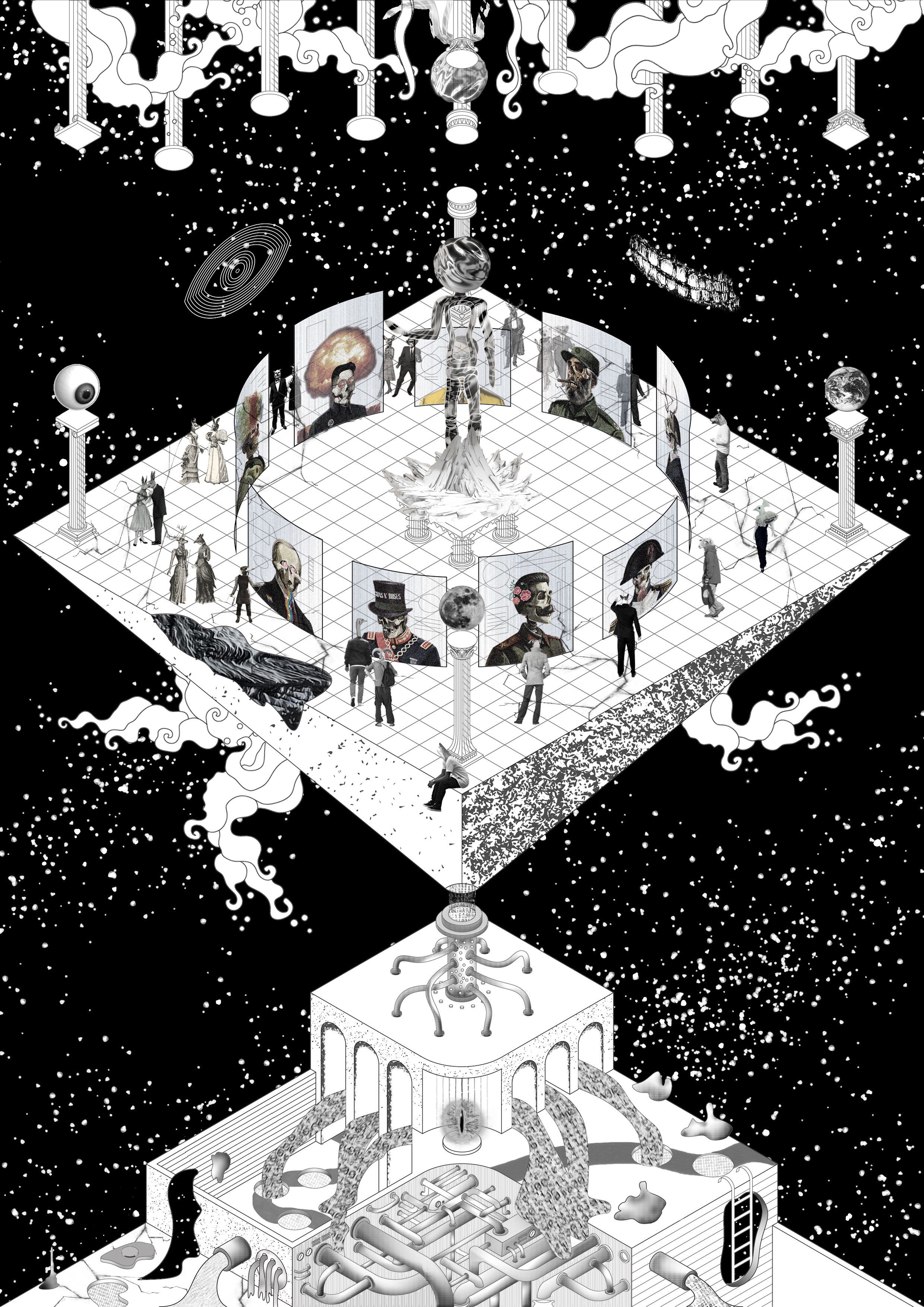
the finest hour 3d immersive project VR
The Finest Hour was an award-winning entry in the Non Architecture Competitions' 2020 MONUMENT competition.
The Finest Hour roots all of these clusters into one location in which each individual’s ideals can come to life via the filters that they look through. Thus, one monument gives birth to many co-existing ideals-realities in one shared public space, a self-indulgent singularity that is unaware of its plurality.
#Political use of public space #Privacy, Data & Surveillance #Integration of diverse social groups #Digital vs physical #Technological development & AI.
×
 Link
Link
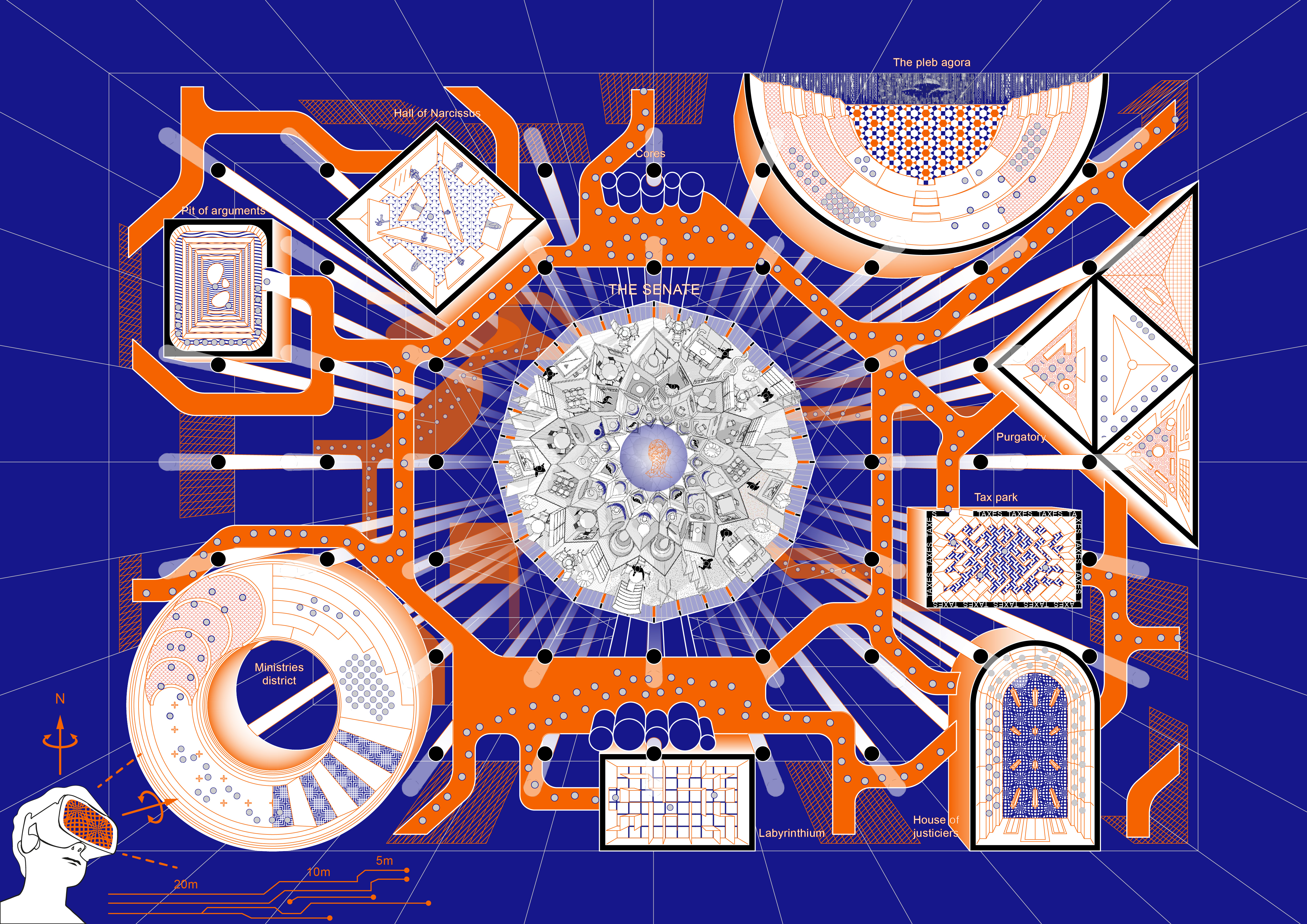
Ballade to Democracy
“Ballade to Democracy” is a satirical exploration of the idea of designing for the forthcoming virtual shift by breaking down the nature of democracy and rebuilding it in a digital world. We did not necessarily seek to create the perfect model, but rather show the complexity of the system and its illusive inclusivity in an ironic manner.
Firstly, the transition towards the digital is an attempt to bring it closer to the public. It introduces ideas such as anonymity, which paves the road for both a freer expression but also for unapologetic behaviours. “Participation” is more of a reaction rather than an active involvement. Clamorous opinions neither add nor subtract to the decisions made by the governing bodies.
Secondly, the social system is already composed of so many layers that translate any attempt to depict it into a complex maze of relationships, hard to decipher and navigate. The resulting environment is a hyperspace, an overlap of different institutions intertwined together.
×
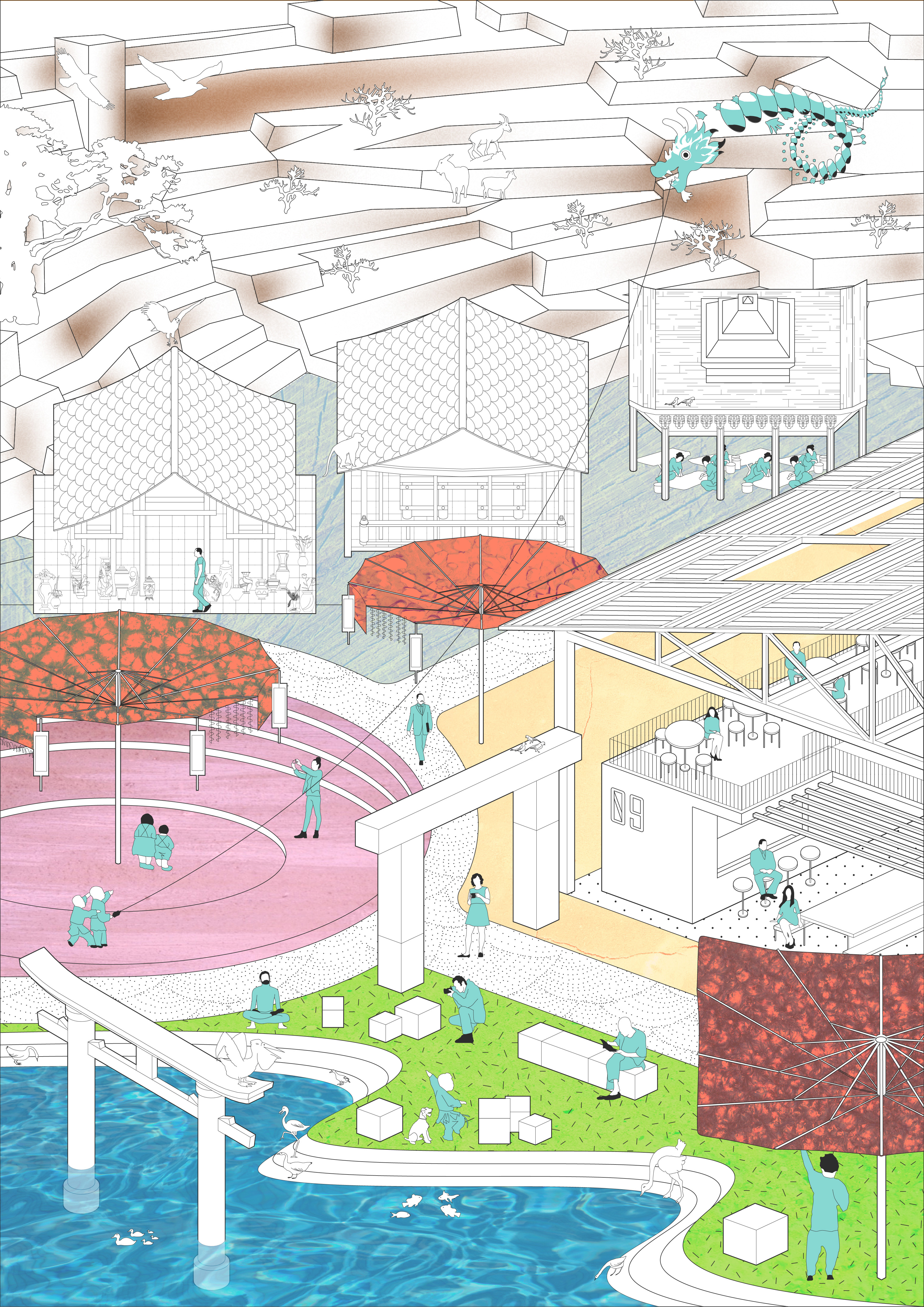
Mending seams Positioning
×
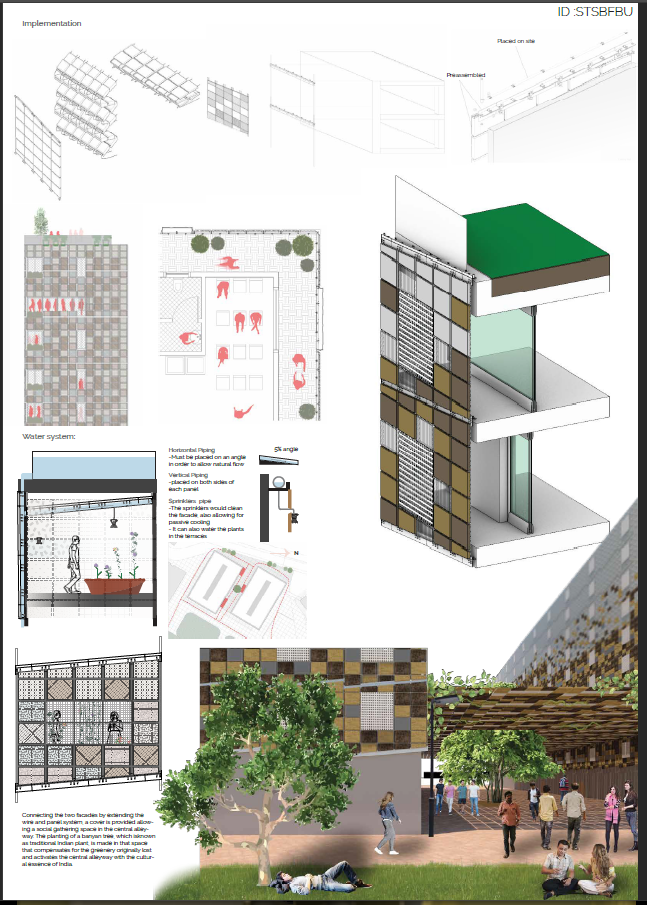
PolluPanel
Typology: Façade System / Environmental Design PolluPanel is a breathing façade system designed to improve urban air quality and building performance through sustainable innovation. It integrates recycled and recyclable panels of different materials — including TiO₂ , organic composites, recycled plastic, and mesh walls — each contributing to air purification, cooling, and recycling processes.
The system captures pollutants from the air, channels rainwater for cleaning and cooling, and enhances thermal comfort by creating a ventilated buffer between the façade and the building. Beyond its environmental function, PolluPanel transforms the façade into an active ecological surface, offering new aesthetic and climatic possibilities for dense urban environments. By combining architecture and environmental technology, PolluPanel redefines the building envelope as a living skin — one that breathes, filters, and adapts to create healthier and more resilient cities.
×
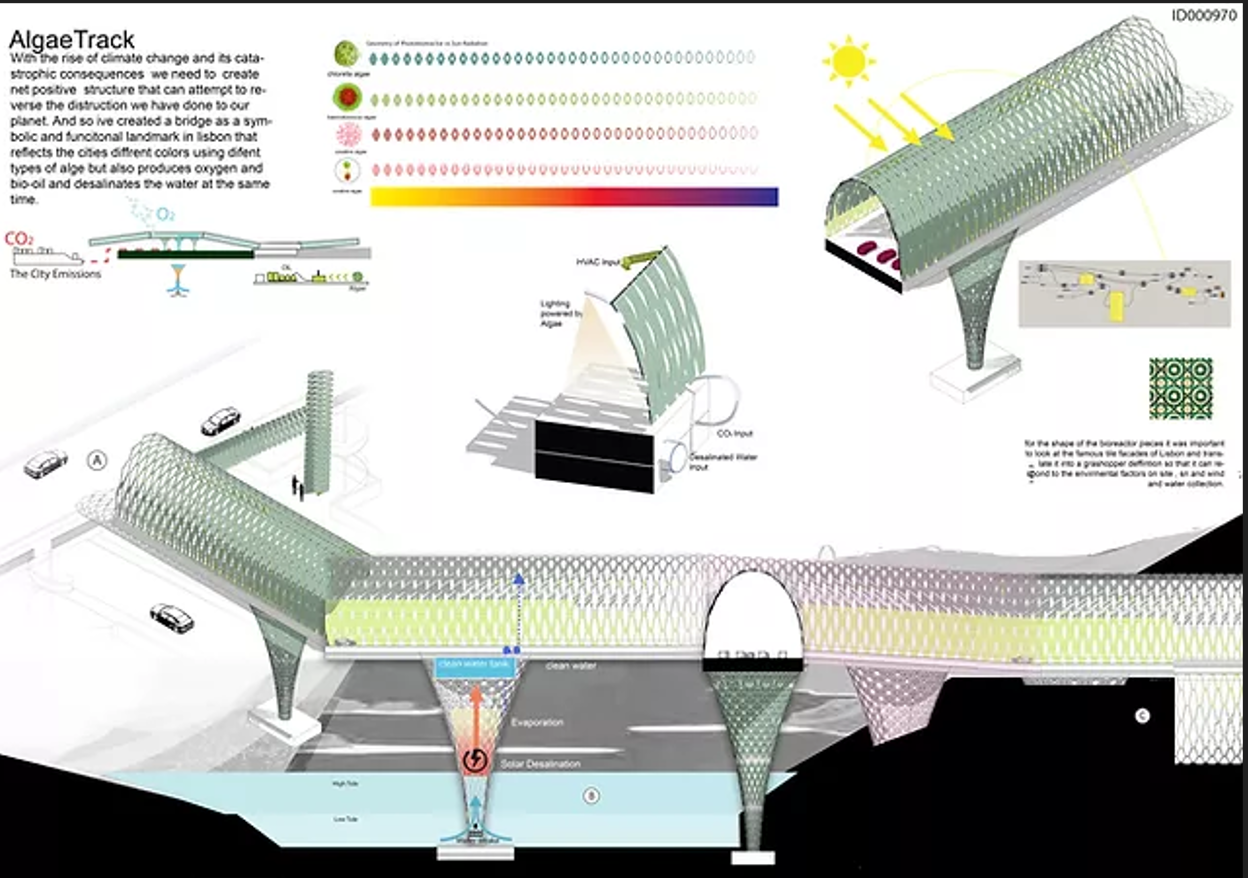
AlgaeTrack
Typology: Bridge / Bioclimatic Infrastructure AlgaeTrack is a visionary bridge proposal in Lisbon that merges infrastructure, ecology, and energy production. Designed as both a symbolic landmark and a functional ecosystem, the structure uses microalgae panels to absorb CO₂, produce oxygen and biofuel, and desalinate seawater through solar energy.
The bridge’s bioclimatic skin responds to sun exposure, wind, and humidity, creating a living architecture that reflects the city’s diverse colors through different algae species. Powered by the natural processes it supports, AlgaeTrack becomes a self-sustaining organism — a piece of architecture that not only connects places but also regenerates the environment.
Book titles: Bridge & Favela (Available on Amazon & If Ideas Forward archive).
×
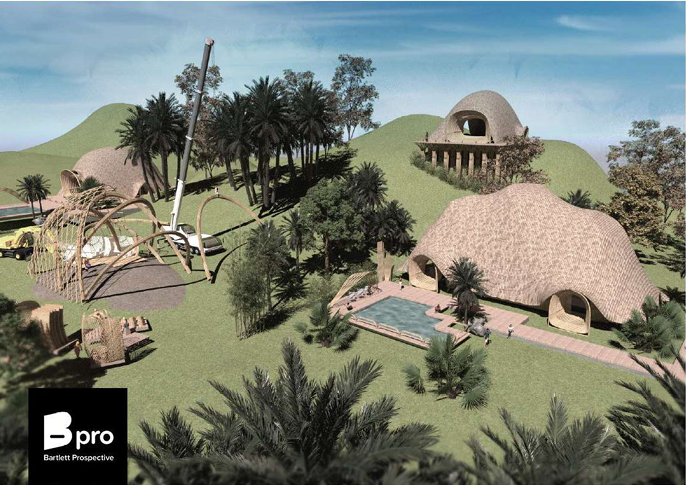
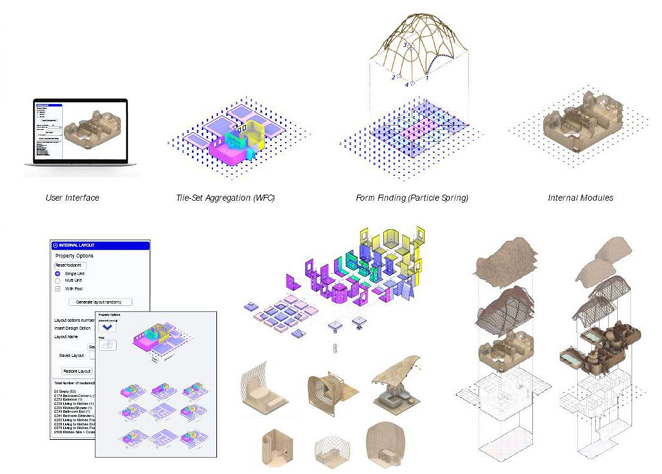
Adaptable Bamboo Habitats
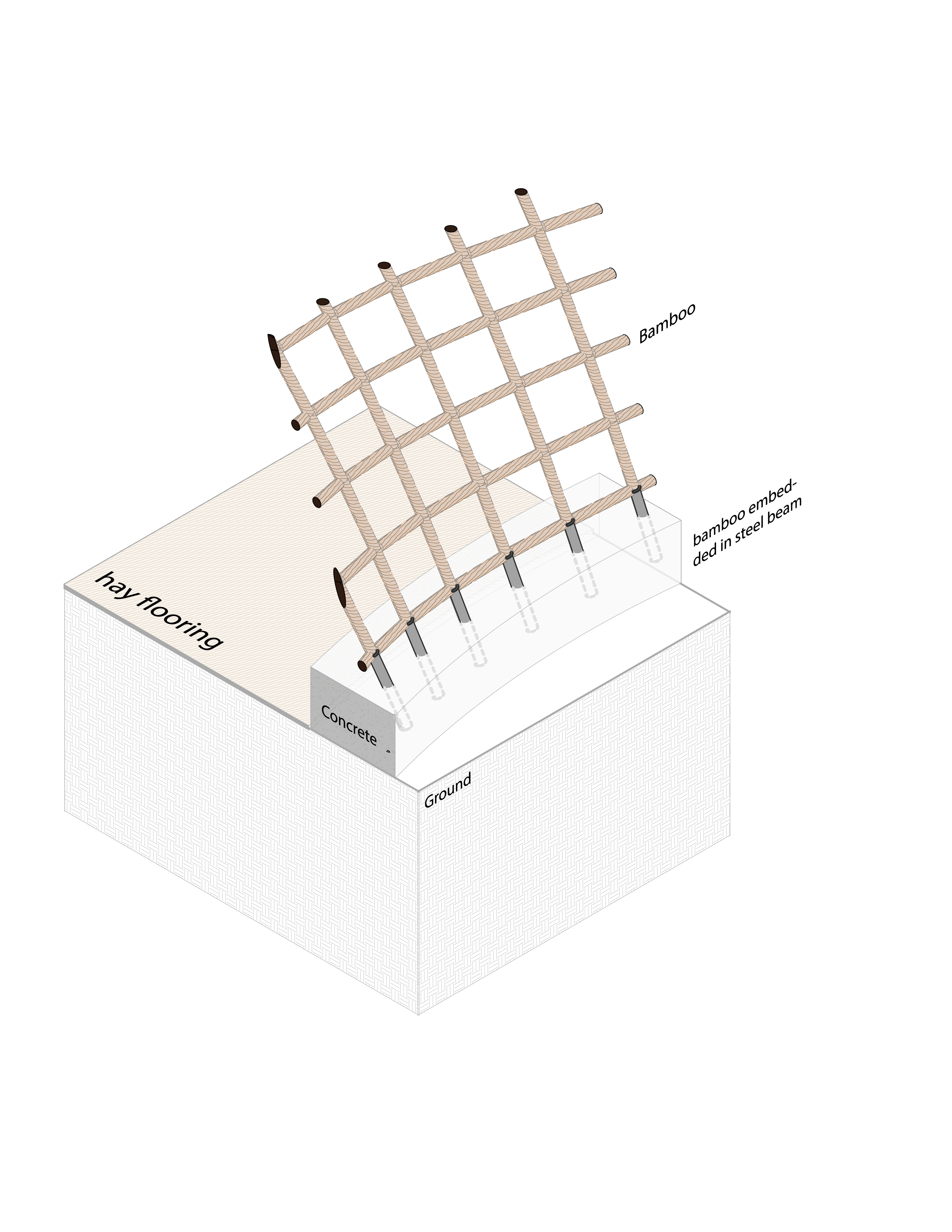
This project explored the idea of a platform designed for the end user that generates a fully parametric, structurally and fabrication aware bam- boo buildings; provides costing for transportation, material and assembly; and offers ready-to-use site-specific datasets such as creating terrain or environmental analysis.
It starts by laying out the basic modules for a dwelling unit. Then for diagrammatic purpos- es, 50 Proxy modules were made to represent different spaces of the unit, which include bedroom, living room, bathroon, kitchen and outdoor areas ,all connected with corridors .Foundation/pile modules where added for aggregation on sloped sites.
The configuration space rule allowed to or- ganise the layout order and for having some degree of control over final results. Each module then was translated into a finish designed bamboo construction module for floorplan.
From space verticies, vectors are calculated to move the meshes up on the arches, this allows to morph the roof mesh to clamp with the arch- es. With this process we are able to generate struc- turally bamboo aware dwelling units in a fully parametric and automatic way.
×


 Link
Link
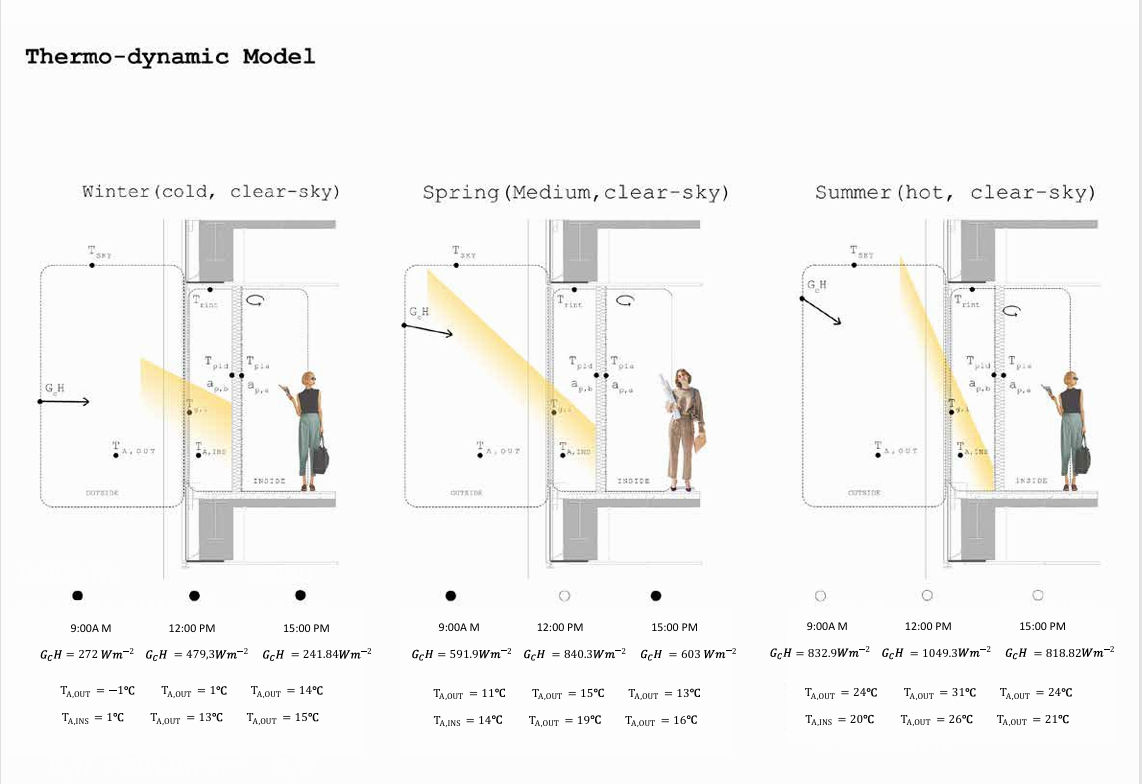
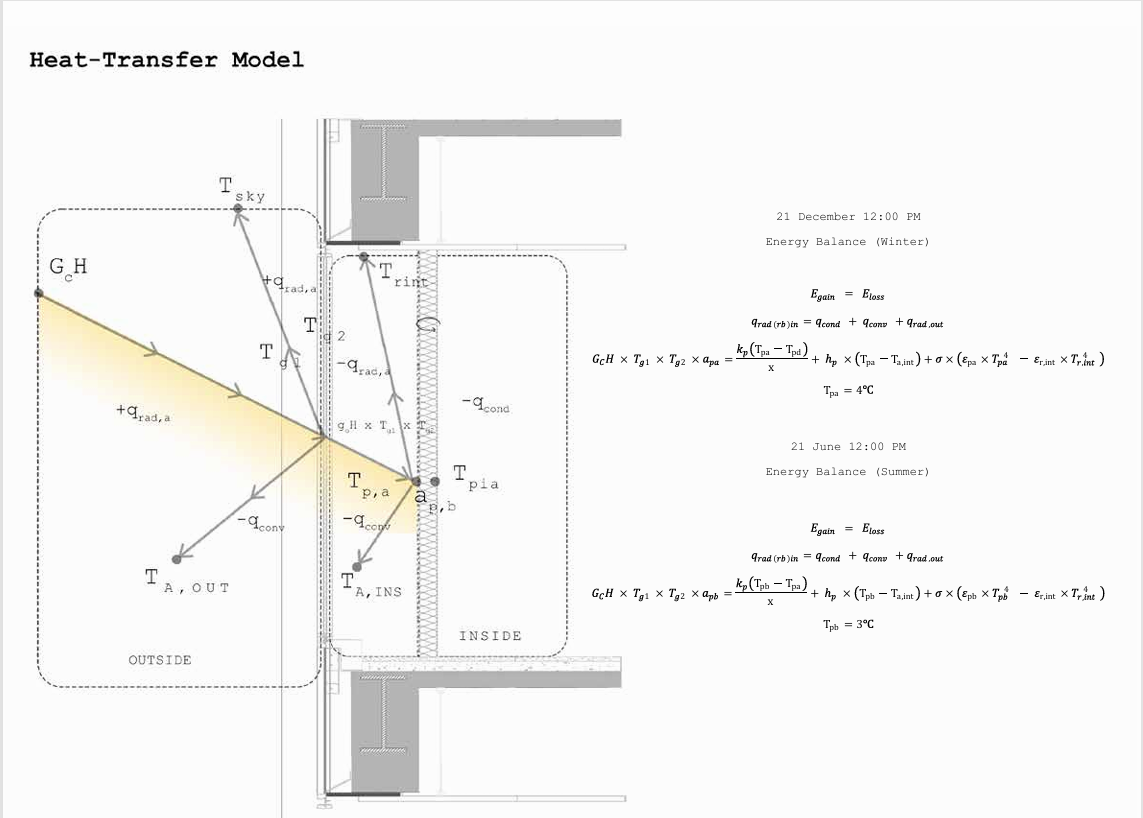
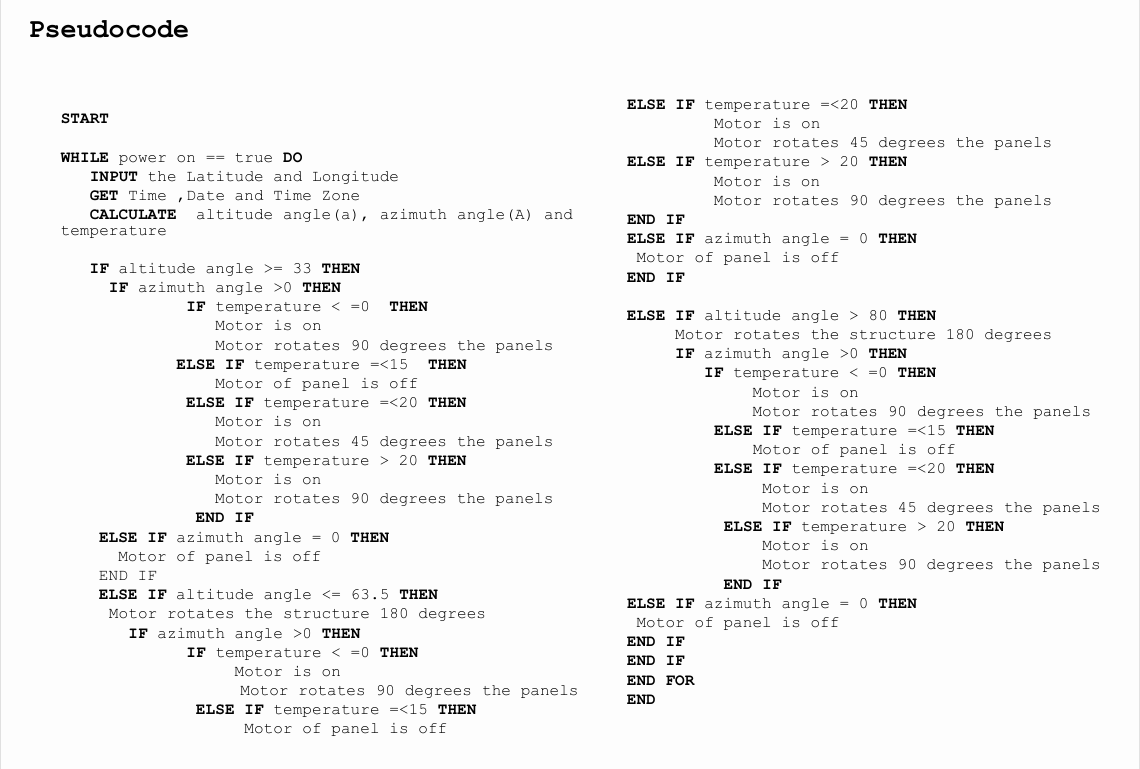
Thermal Kinetic Façade
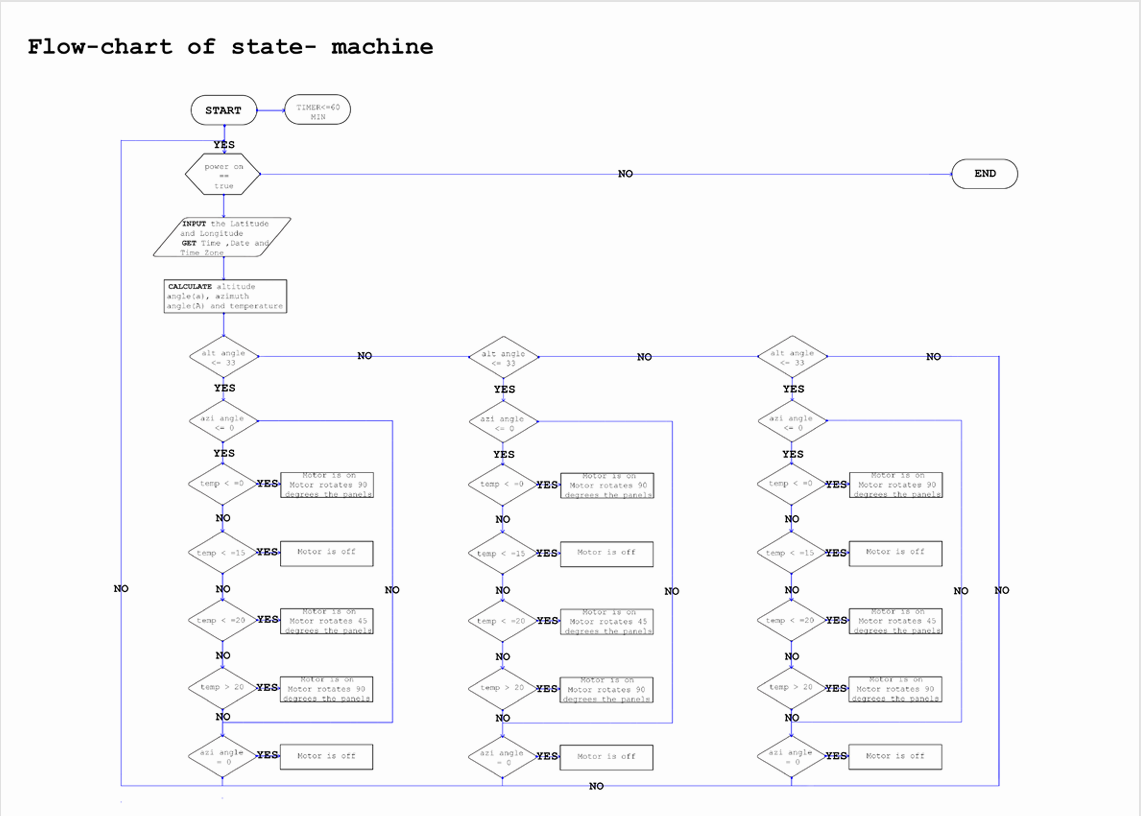
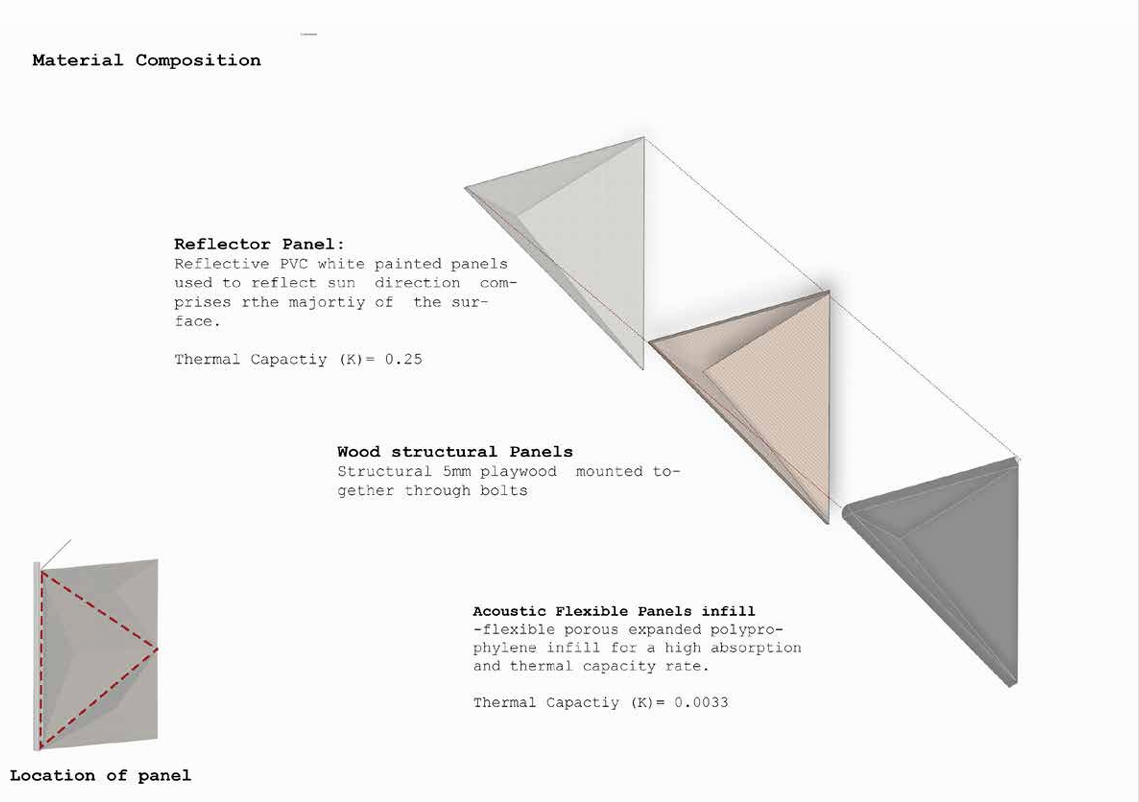
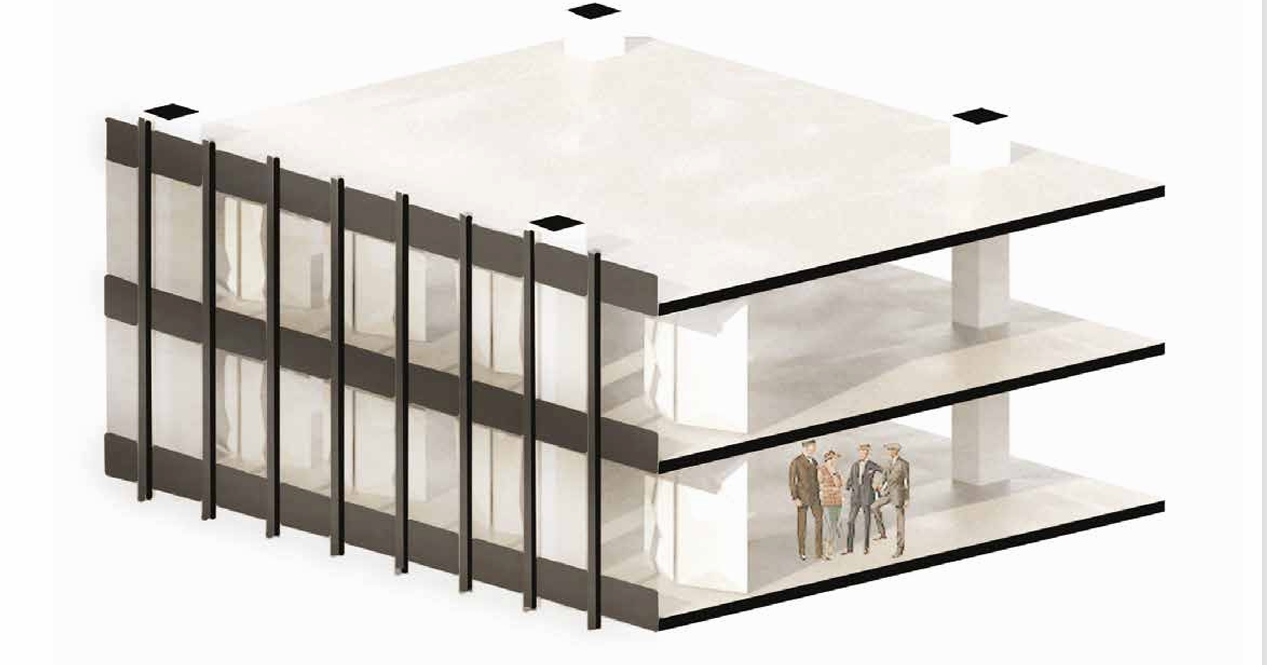
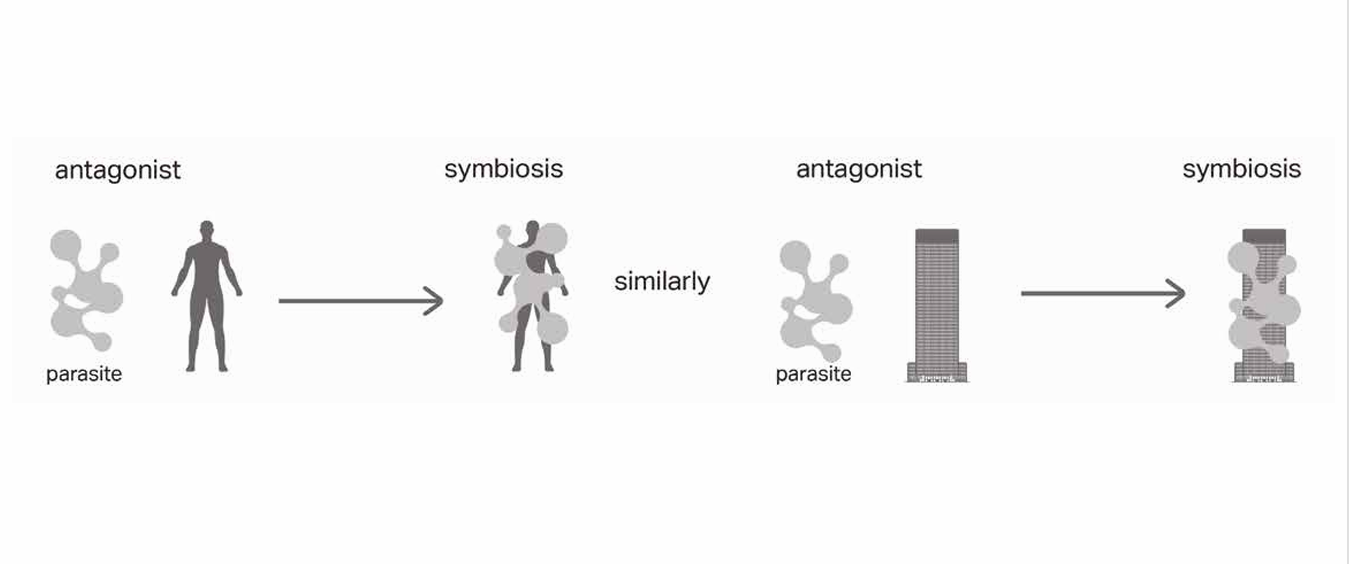
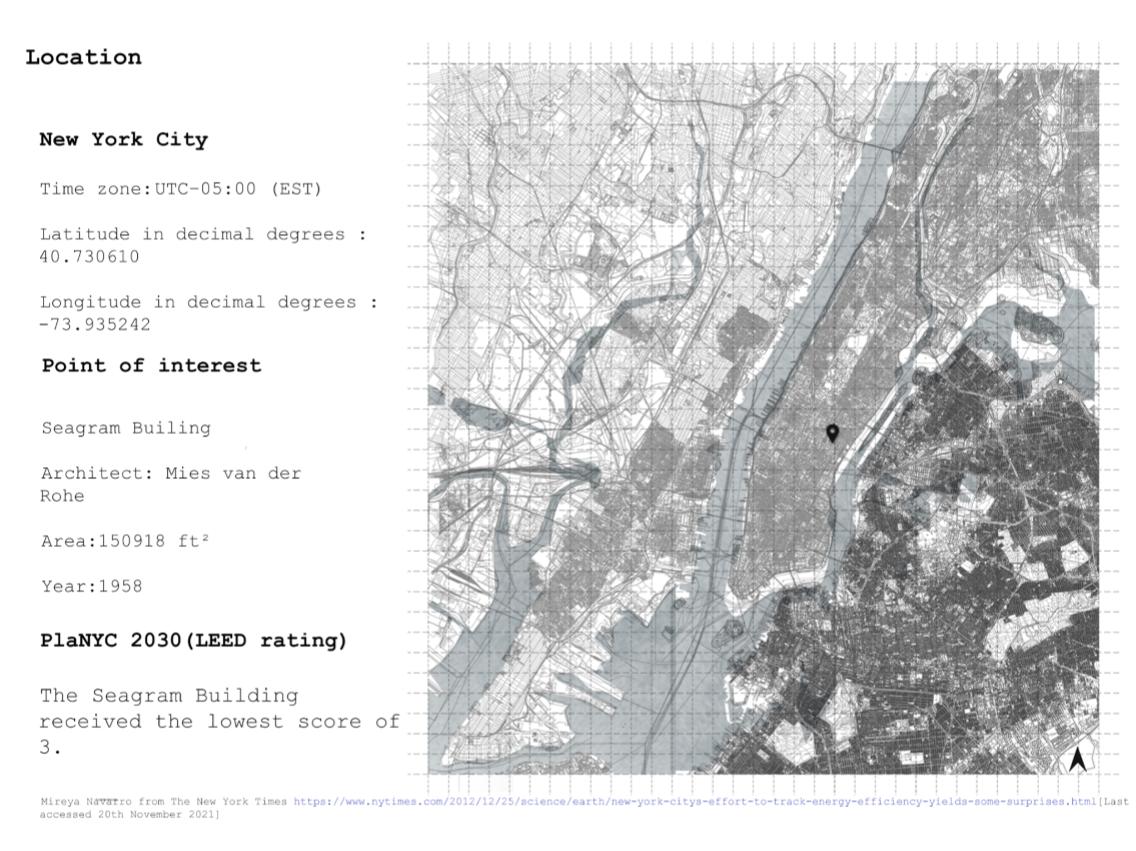
Thermal Parasite is a responsive architectural installation that attaches to the Seagram Building as a dynamic, living façade. The project explores how architecture can adapt to its environment through movement and transformation.
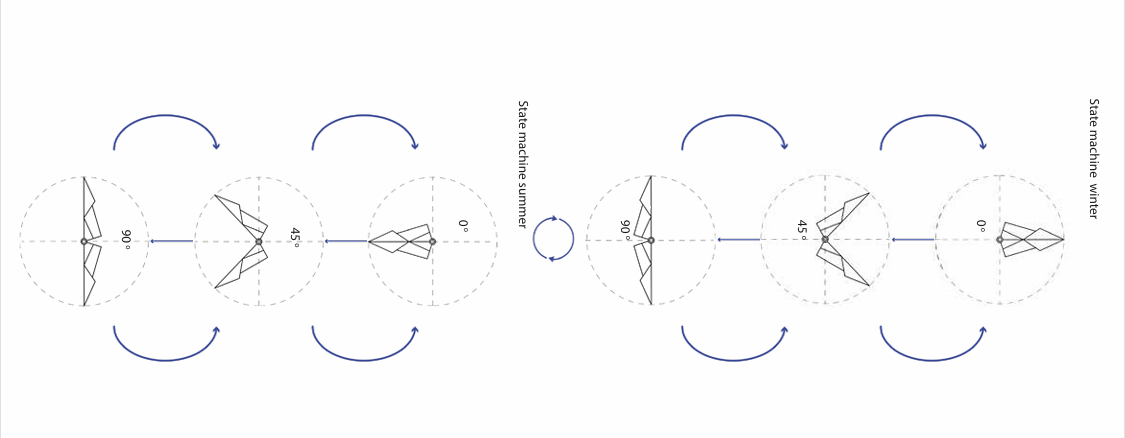
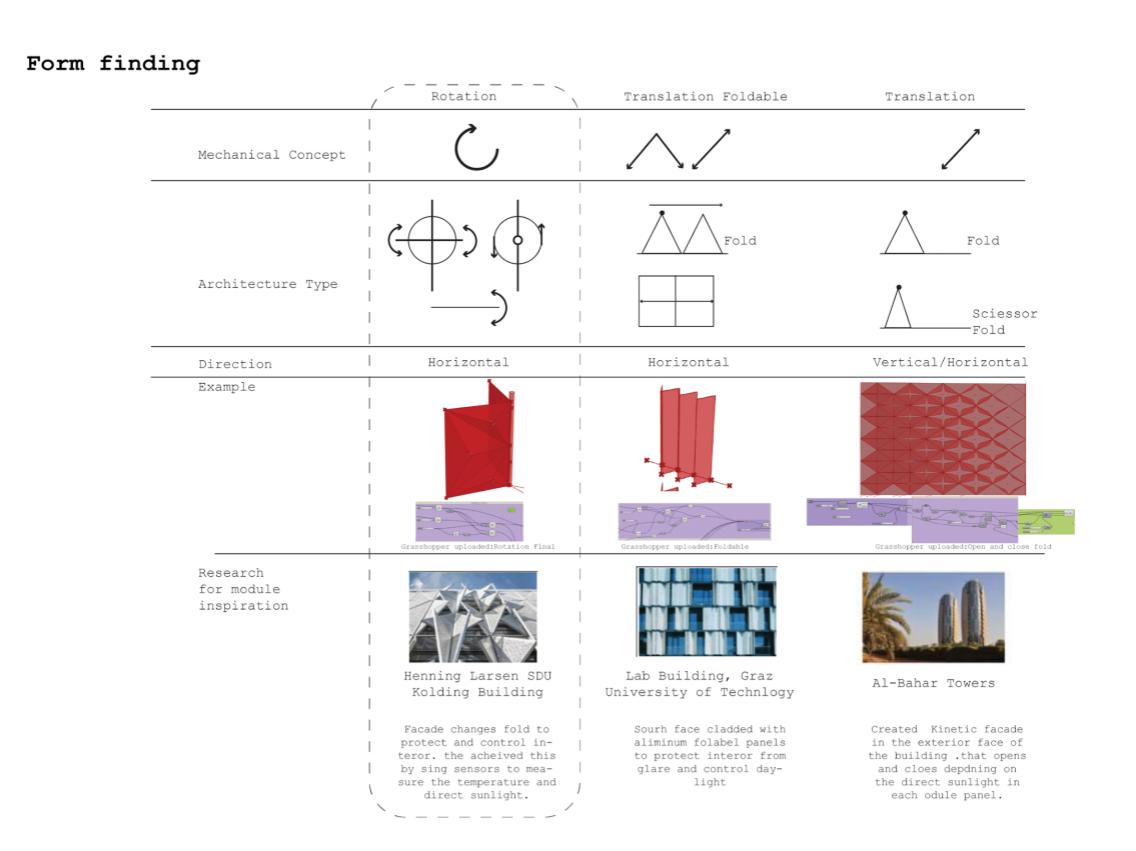
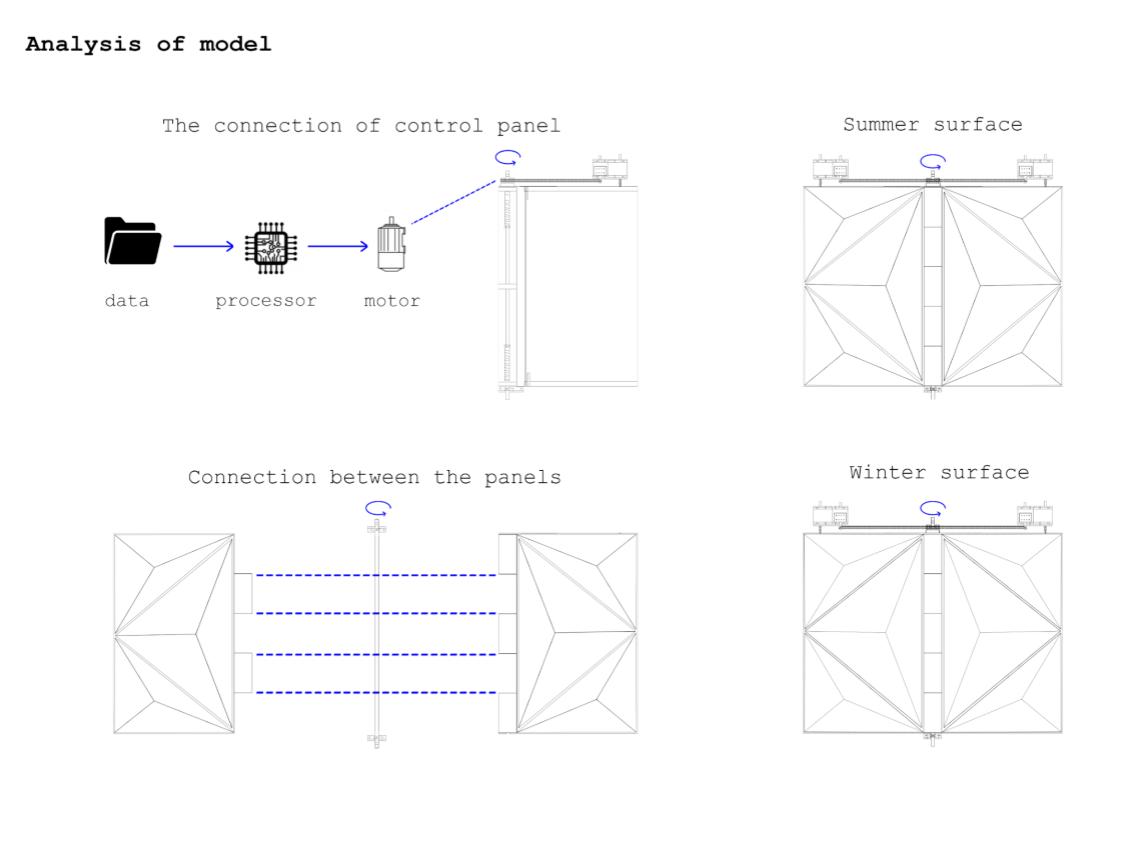
Driven by thermal and solar stimuli, the façade’s kinetic surface expands and contracts to regulate heat and light, reimagining the building envelope as an active, breathing skin rather than a static shell.
Inspired by parasitic forms in nature, it reflects on the relationship between host and attachment — a dialogue between structure and environment, technology and poetics.
The project envisions a future where façades evolve, interact, and perform as living systems within the urban fabric.lists
×







 Link
Link
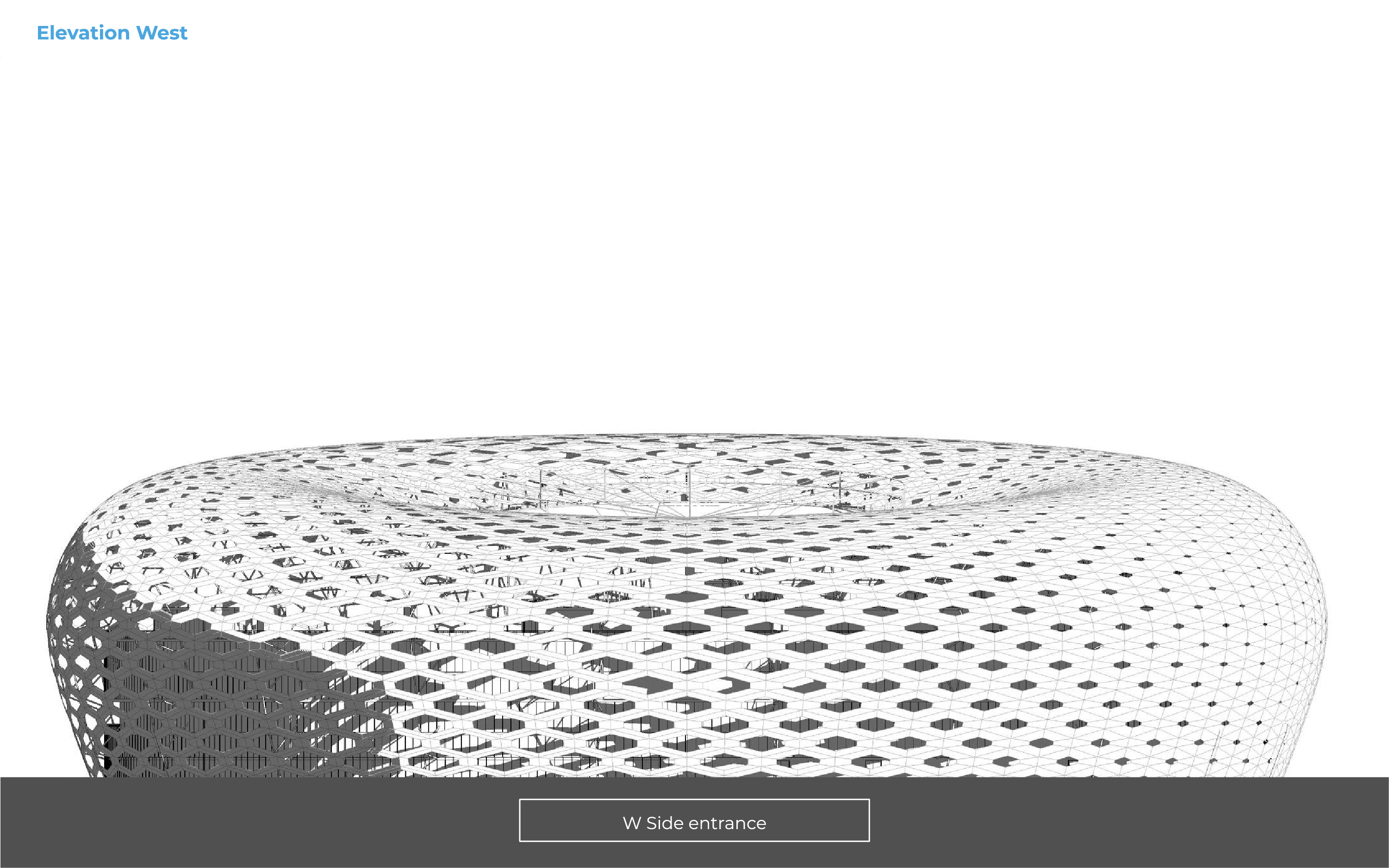
Bombolla Freixenet Stadium
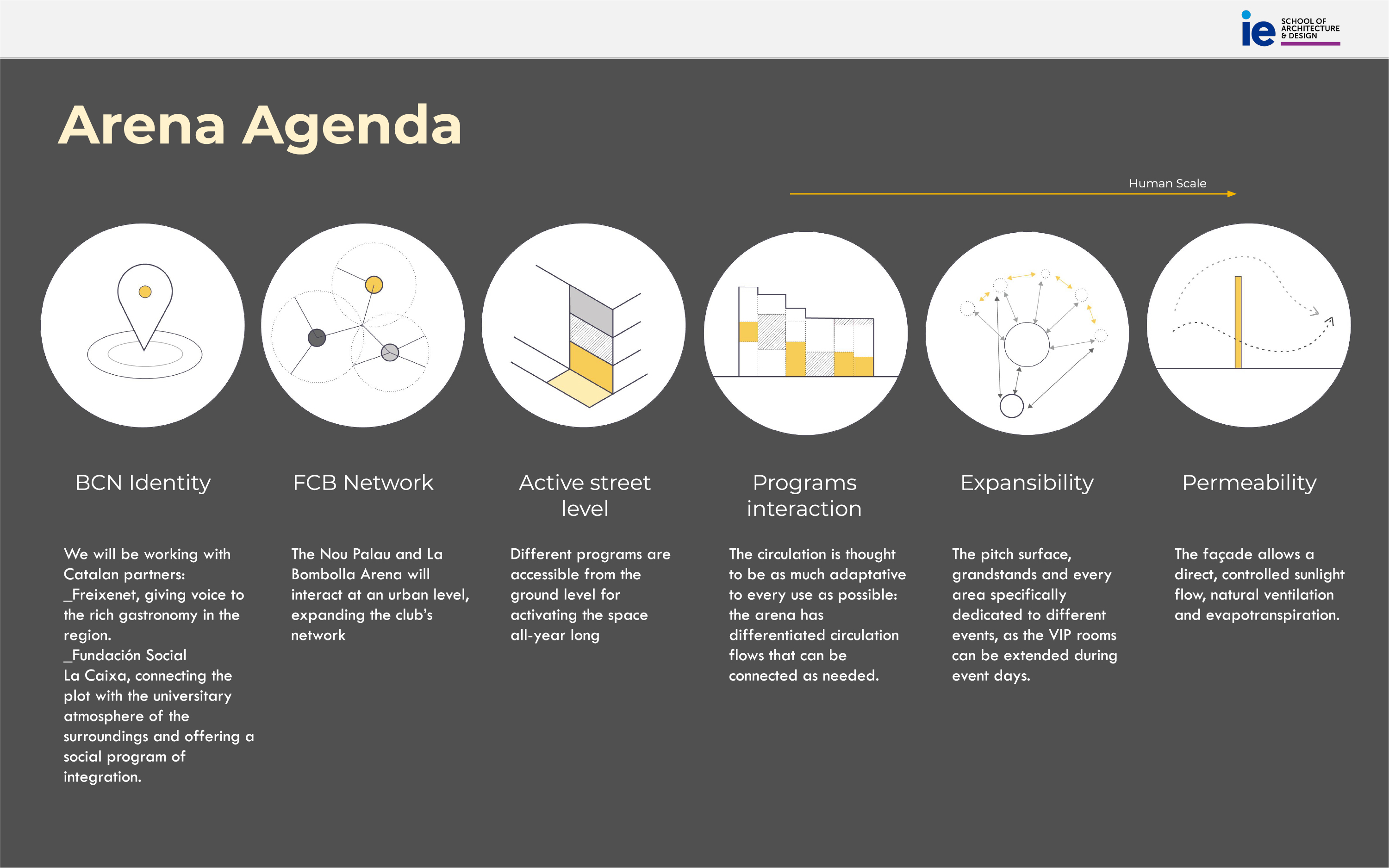
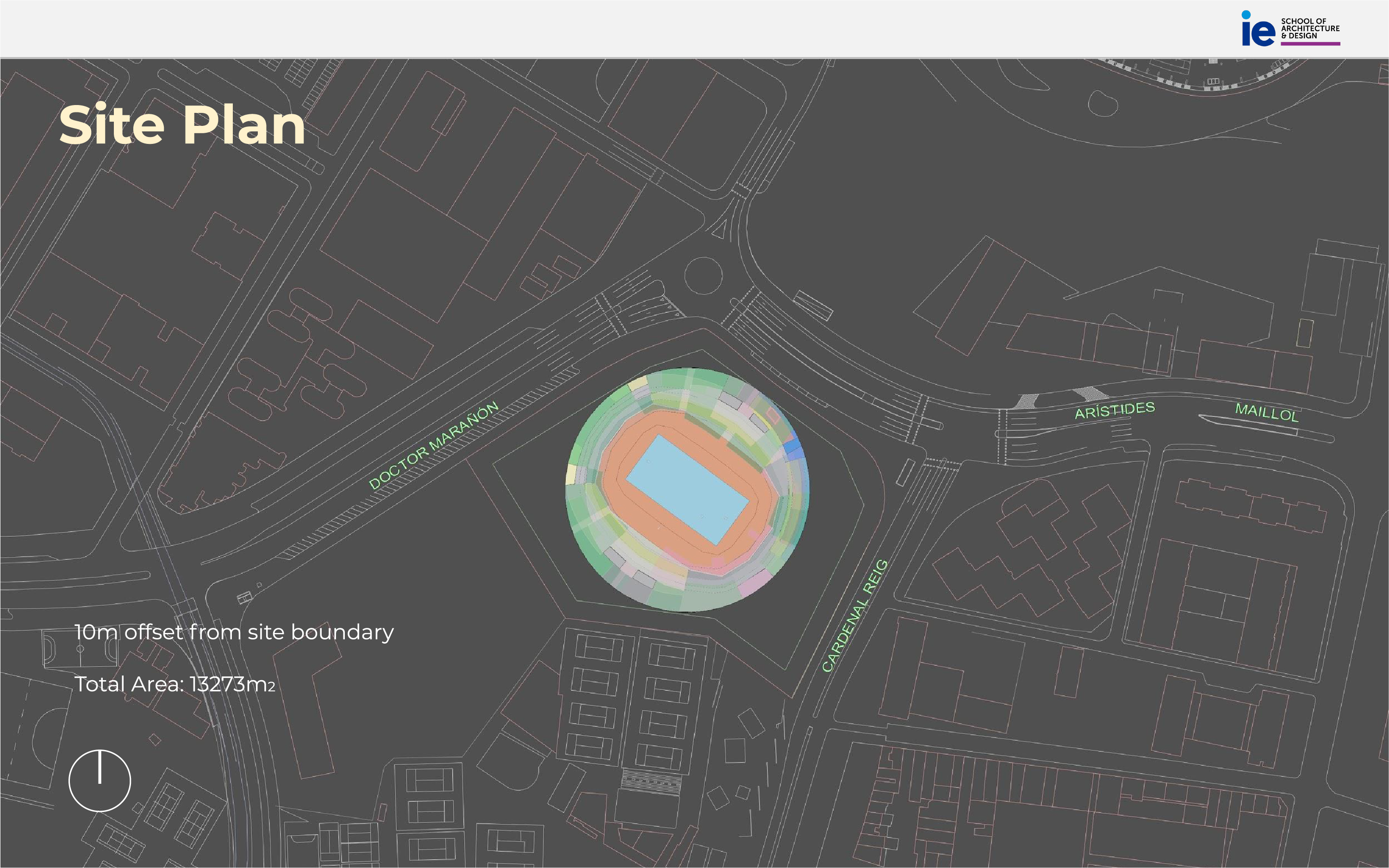
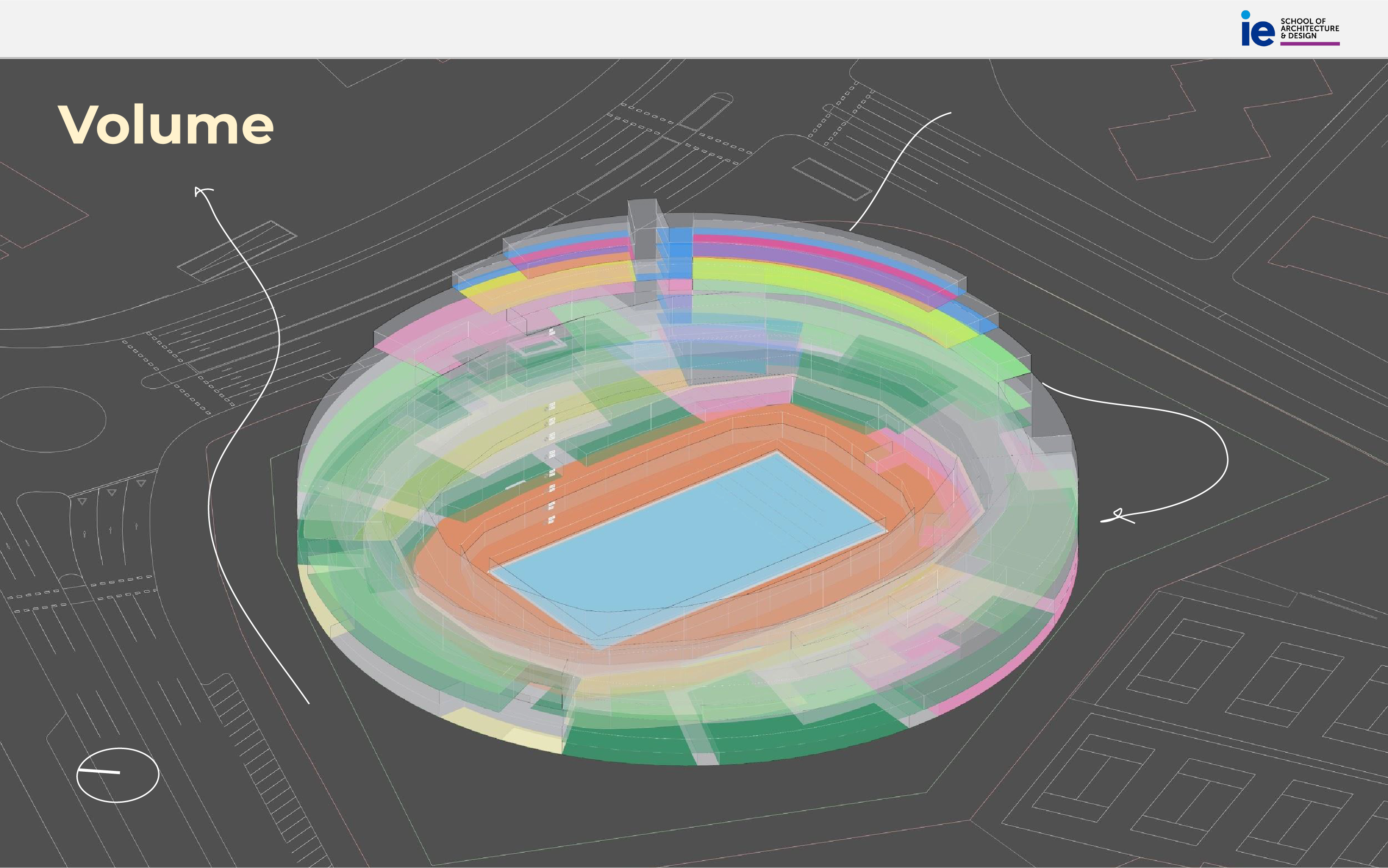
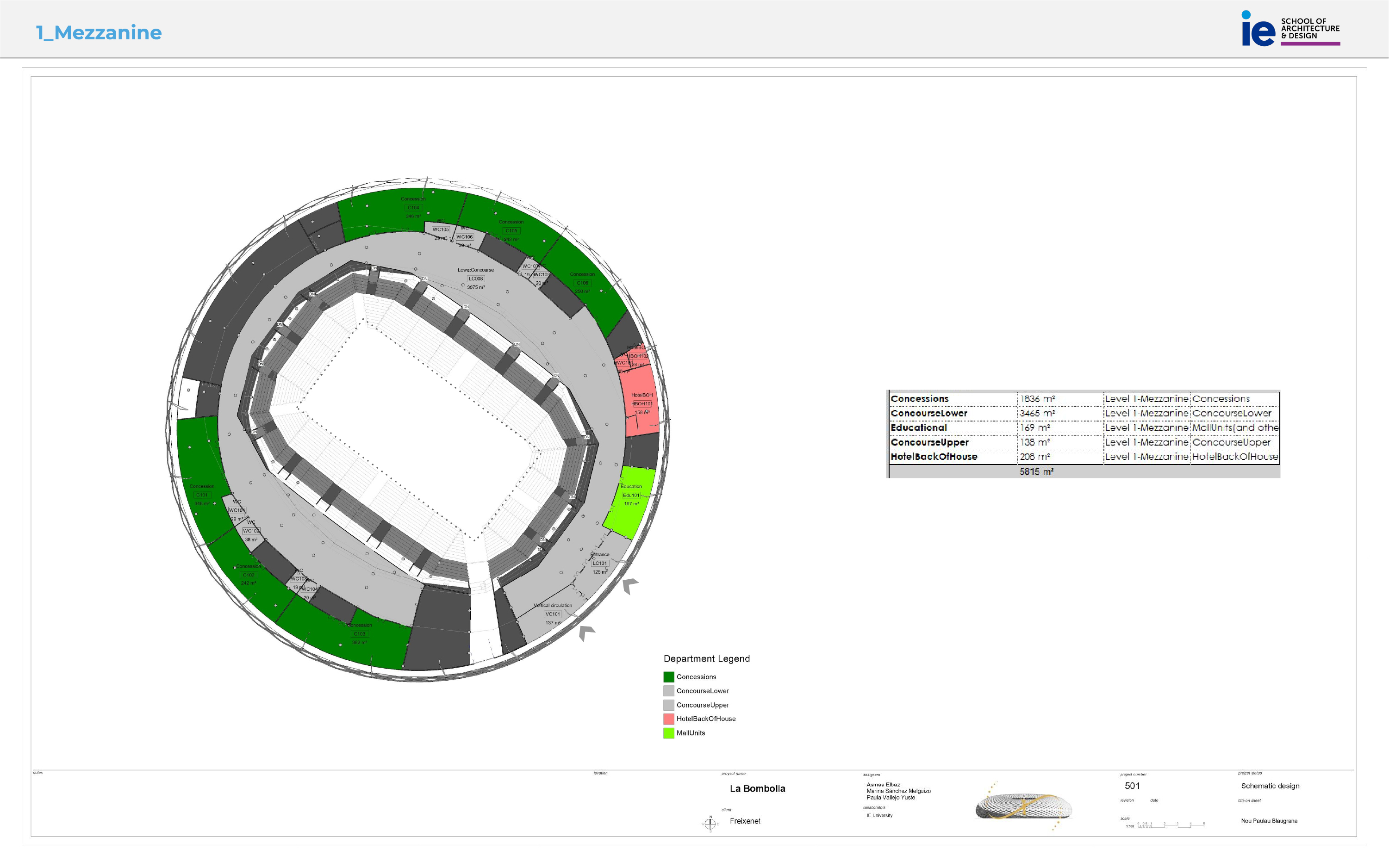
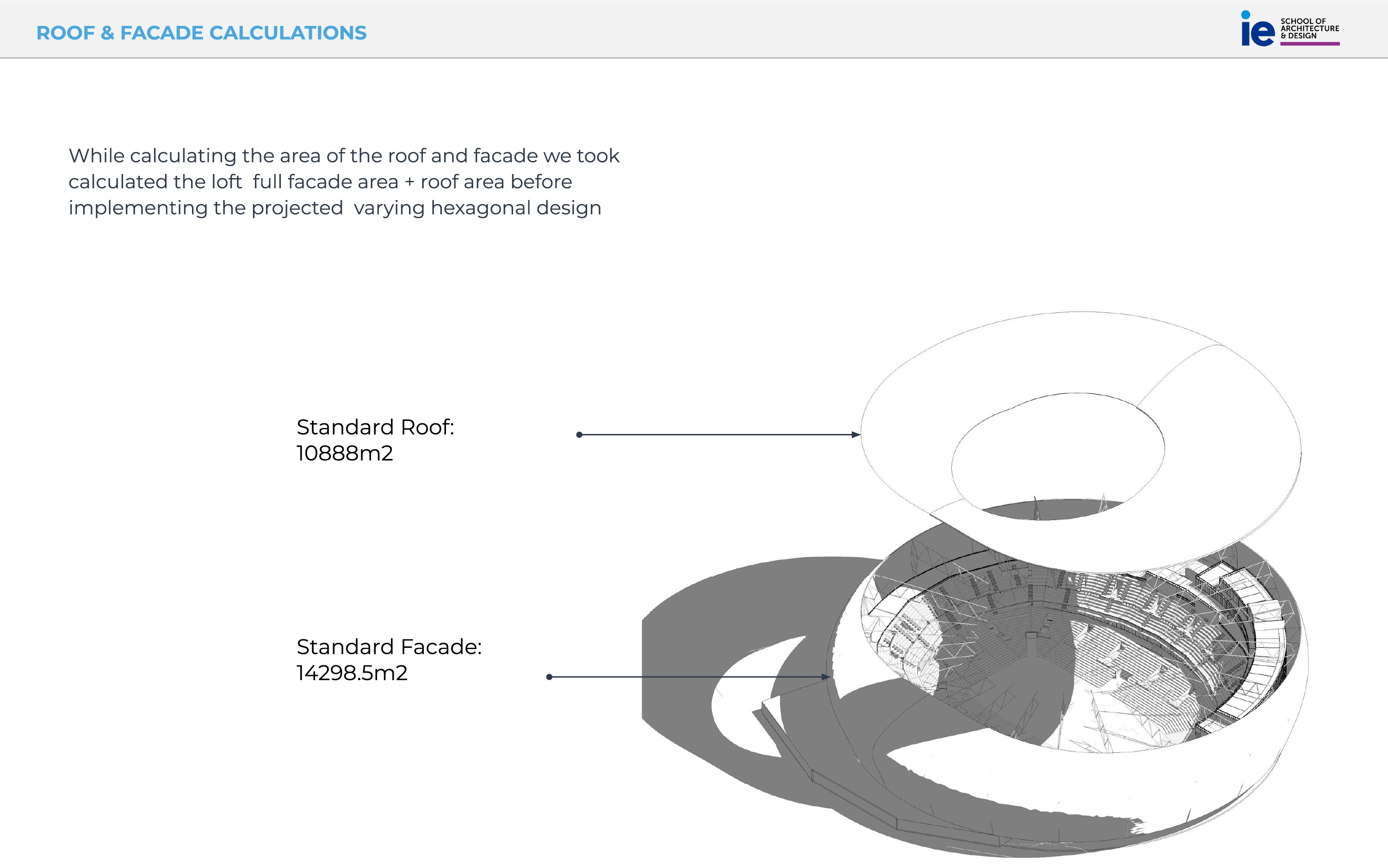
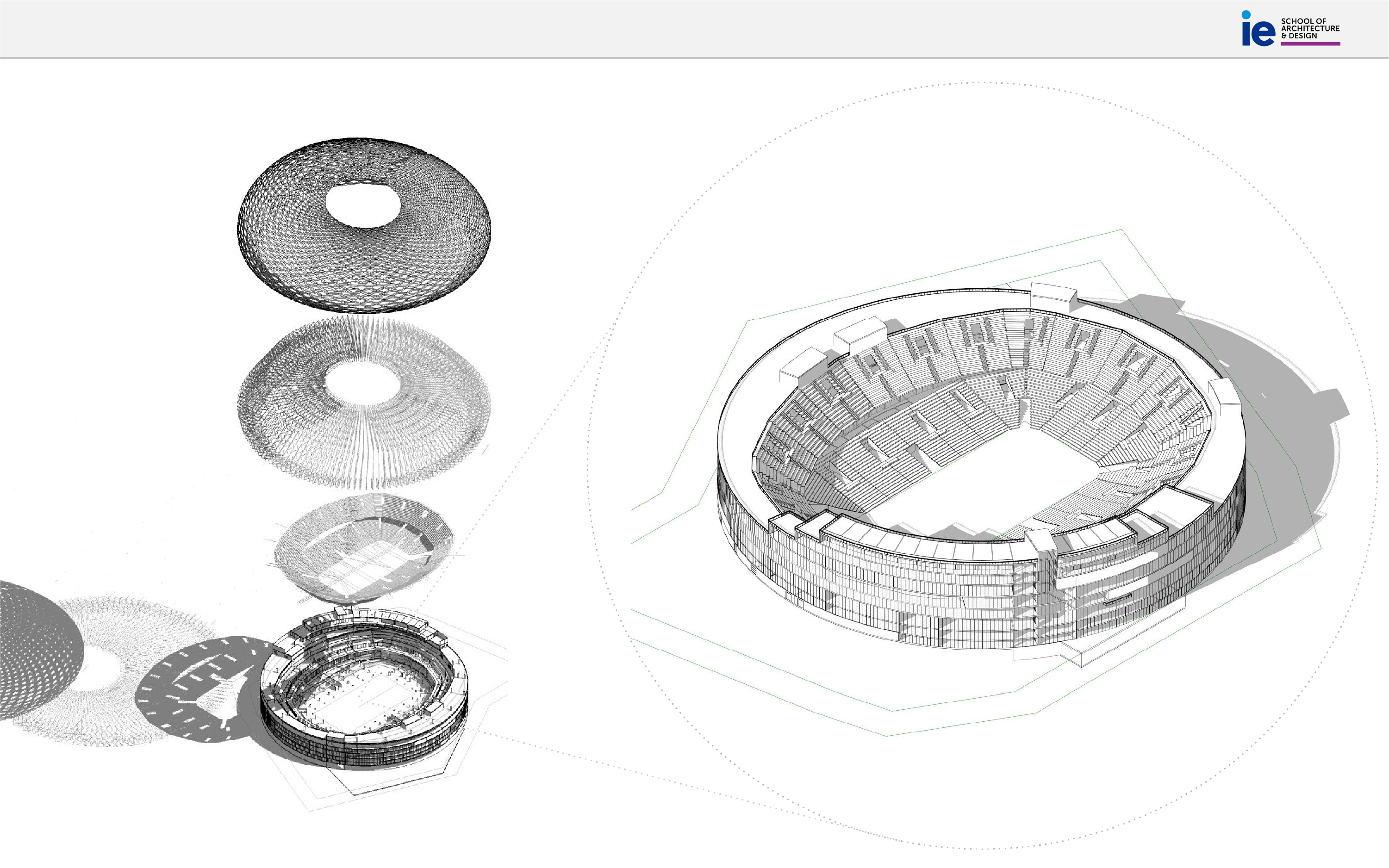
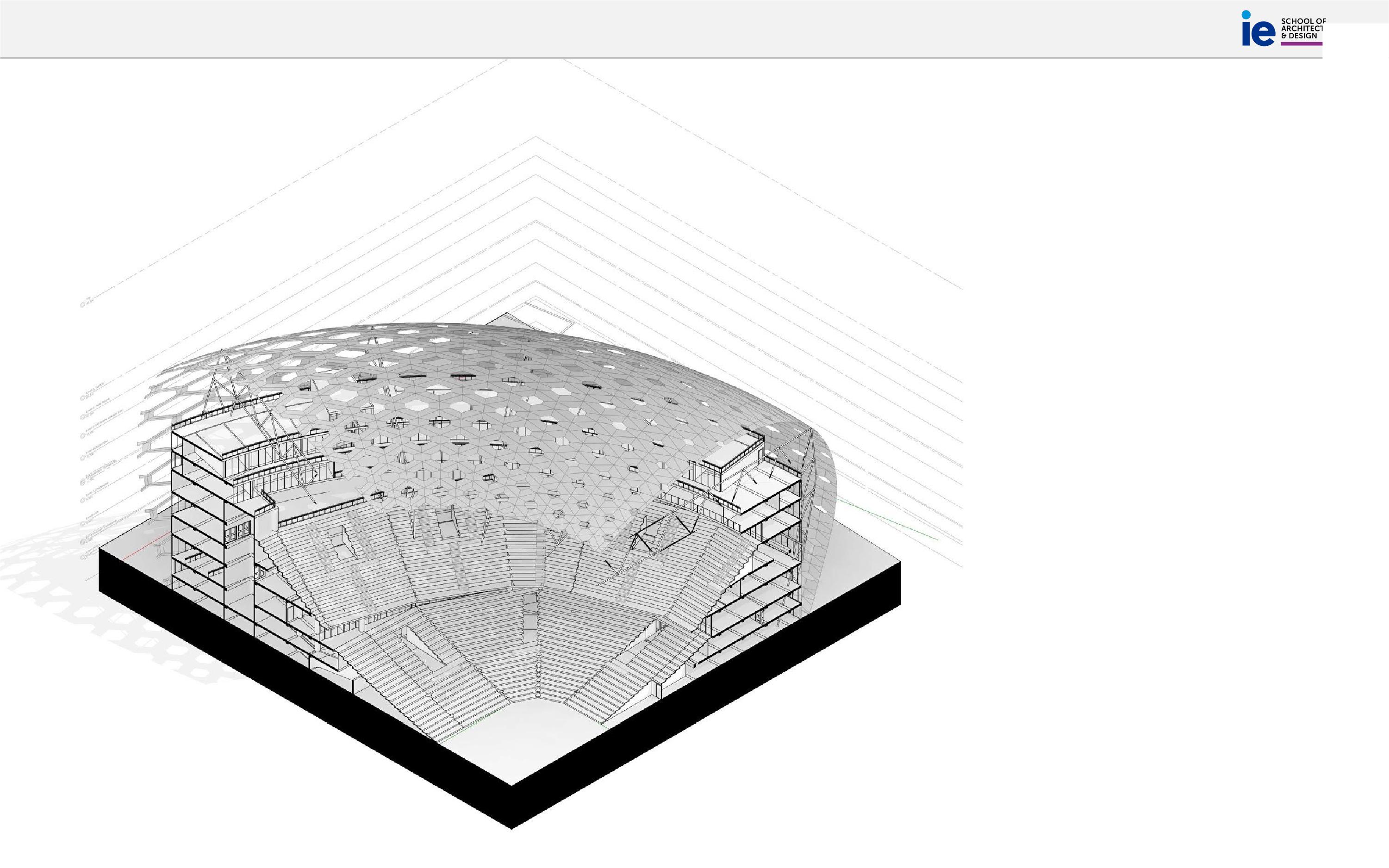
As part of a three-week intensive workshop at IE University, this project focused on Revit, Dynamo, and parametric modeling in Grasshopper. The challenge was to design a flexible stadium for the Barcelona team, accommodating basketball, tennis, concerts, and other programs within a 50,000 m² footprint.
The design demanded precise programmatic organization, aligning with the sponsor Freixenet’s vision while ensuring profitability. Deliverables included a comprehensive profitability study, full structural design, and retractable roof and facade systems.
Parametric design enabled a community-centered stadium, integrating public spaces and workshop areas. The iconic bubble-shaped form (“La Bombolla”) reflects the brand identity and was optimized for sunlight and environmental performance.
Award: Winner of IE University’s 2020 Internal Design Competition – Recognized as the Most Innovative and Visionary Proposal Among Eight Finalists
×
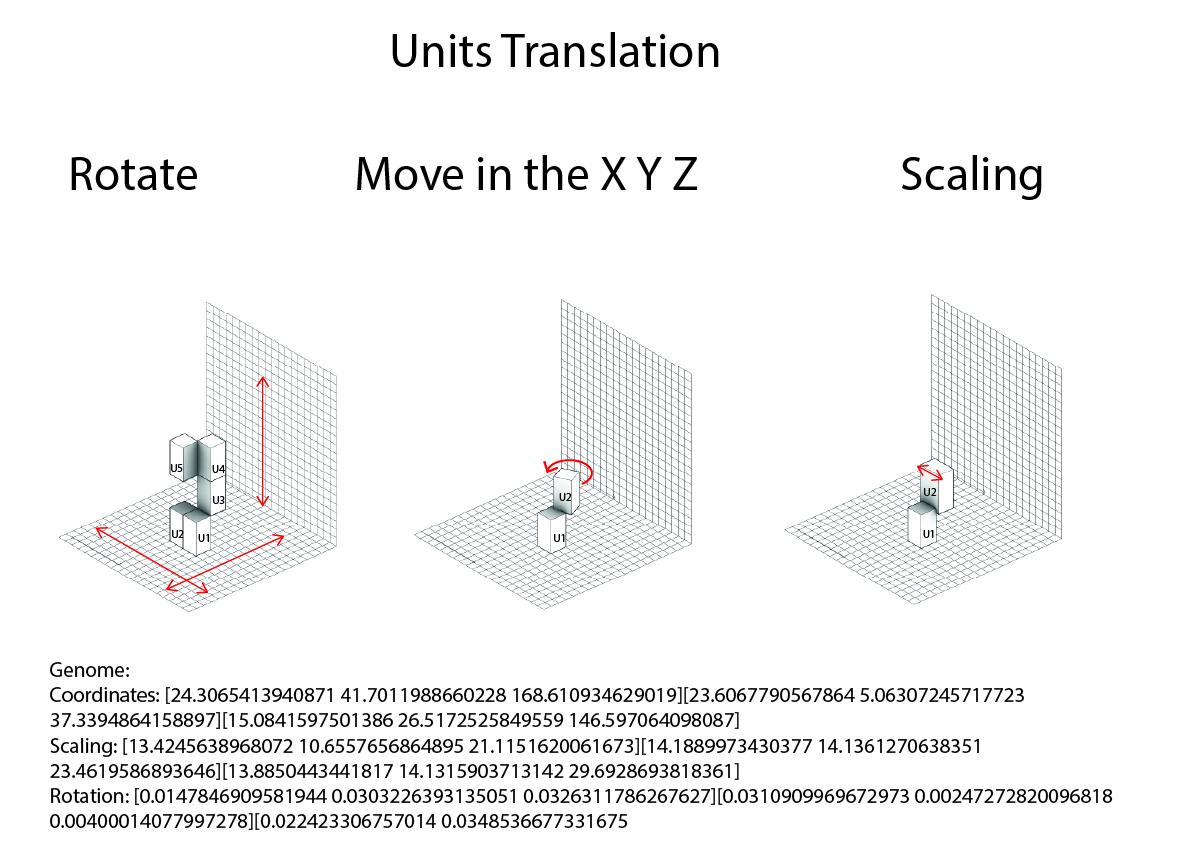
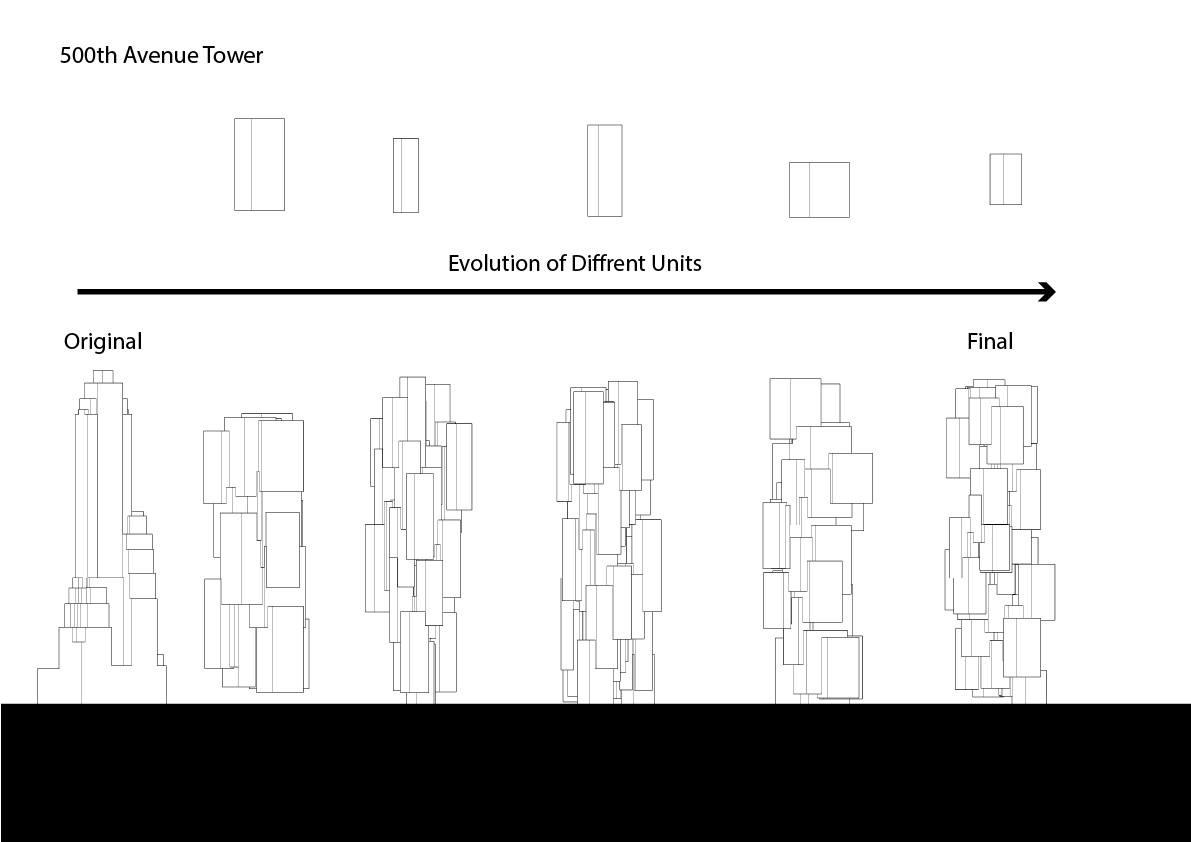



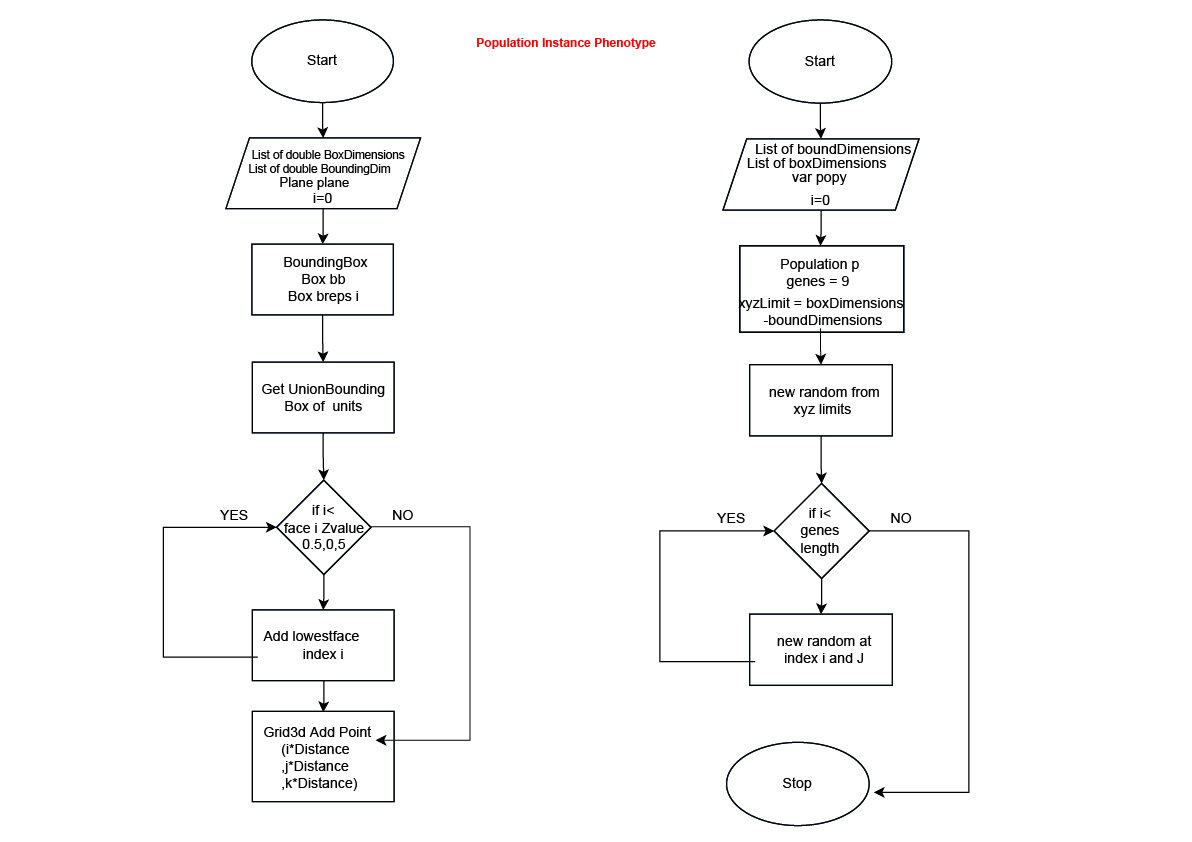
Optimisation Form-Finding
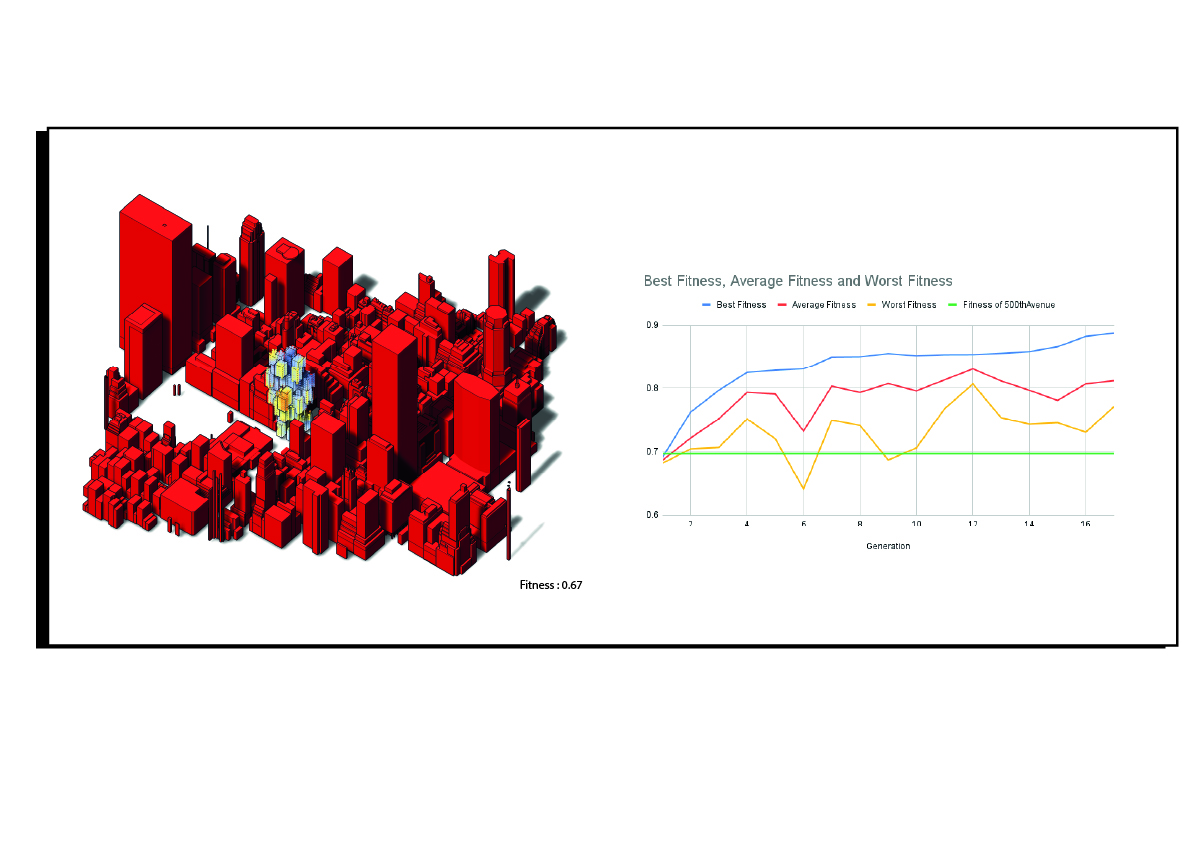
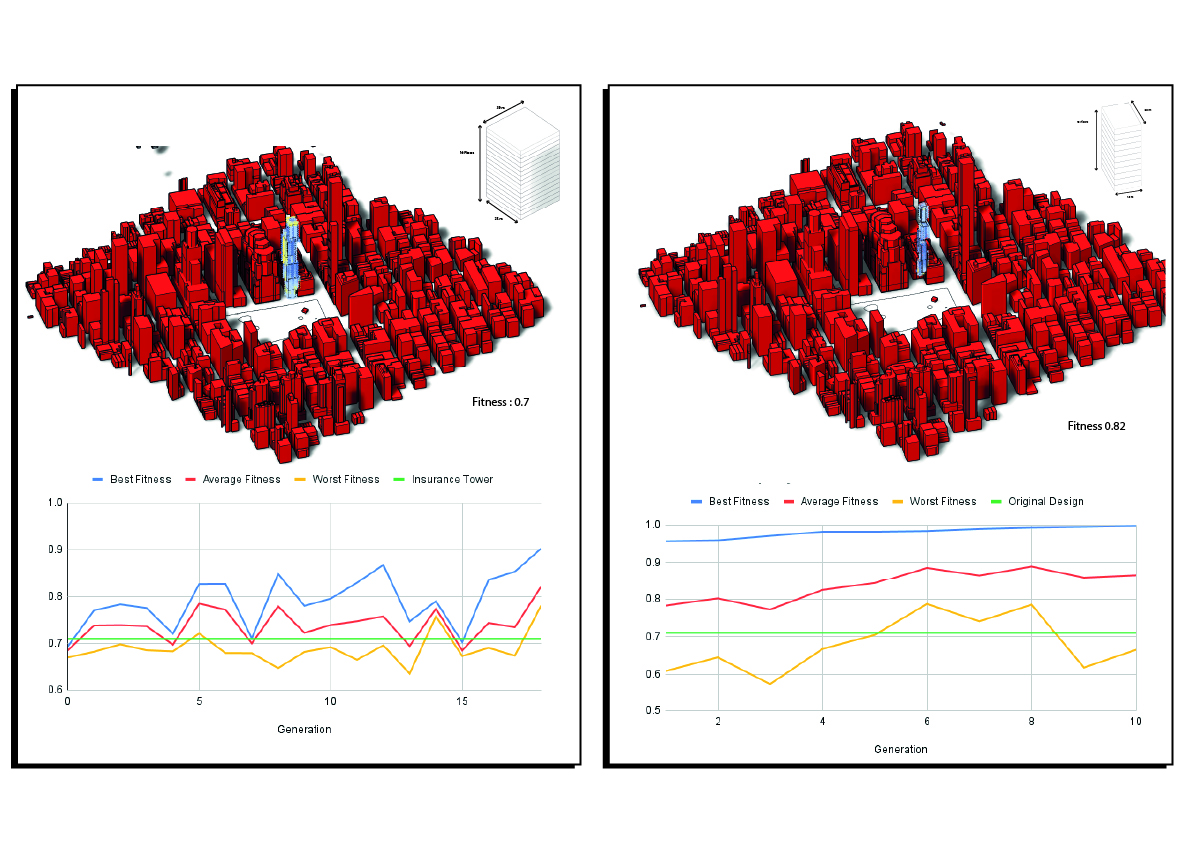
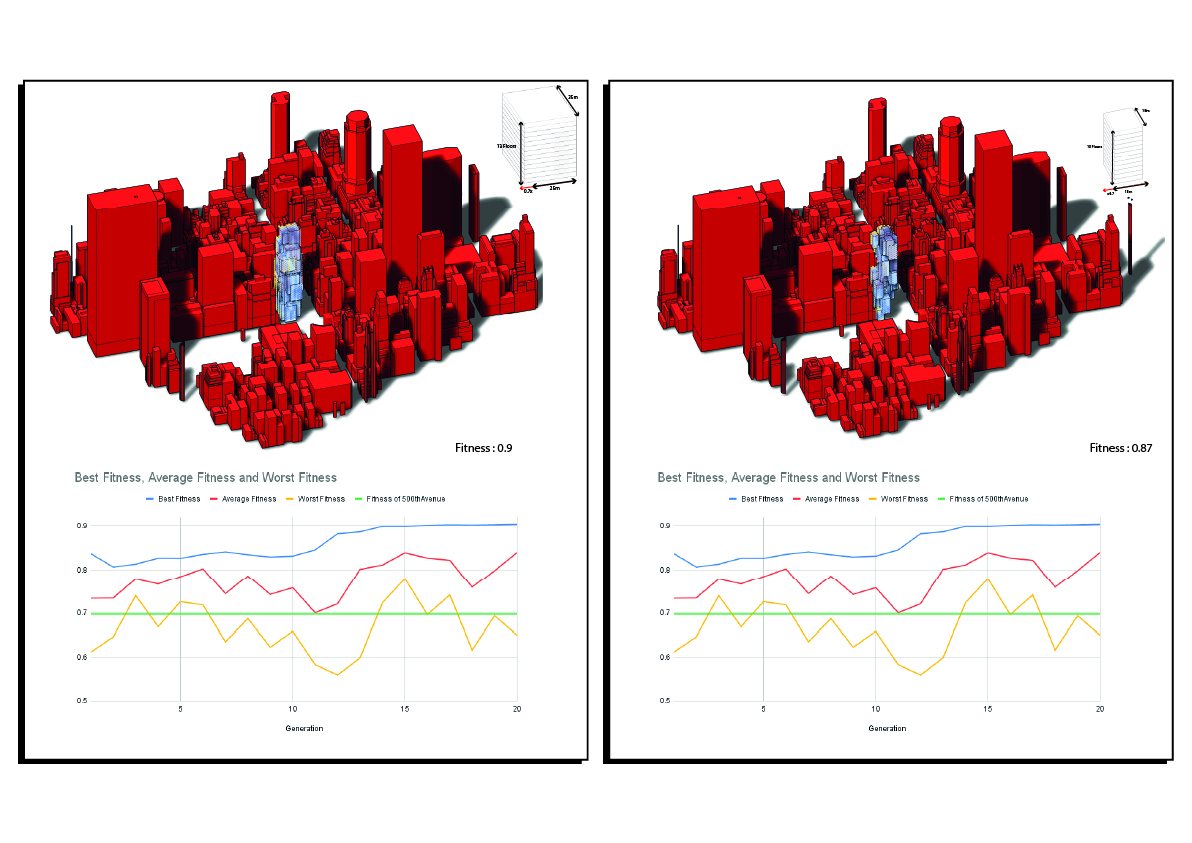
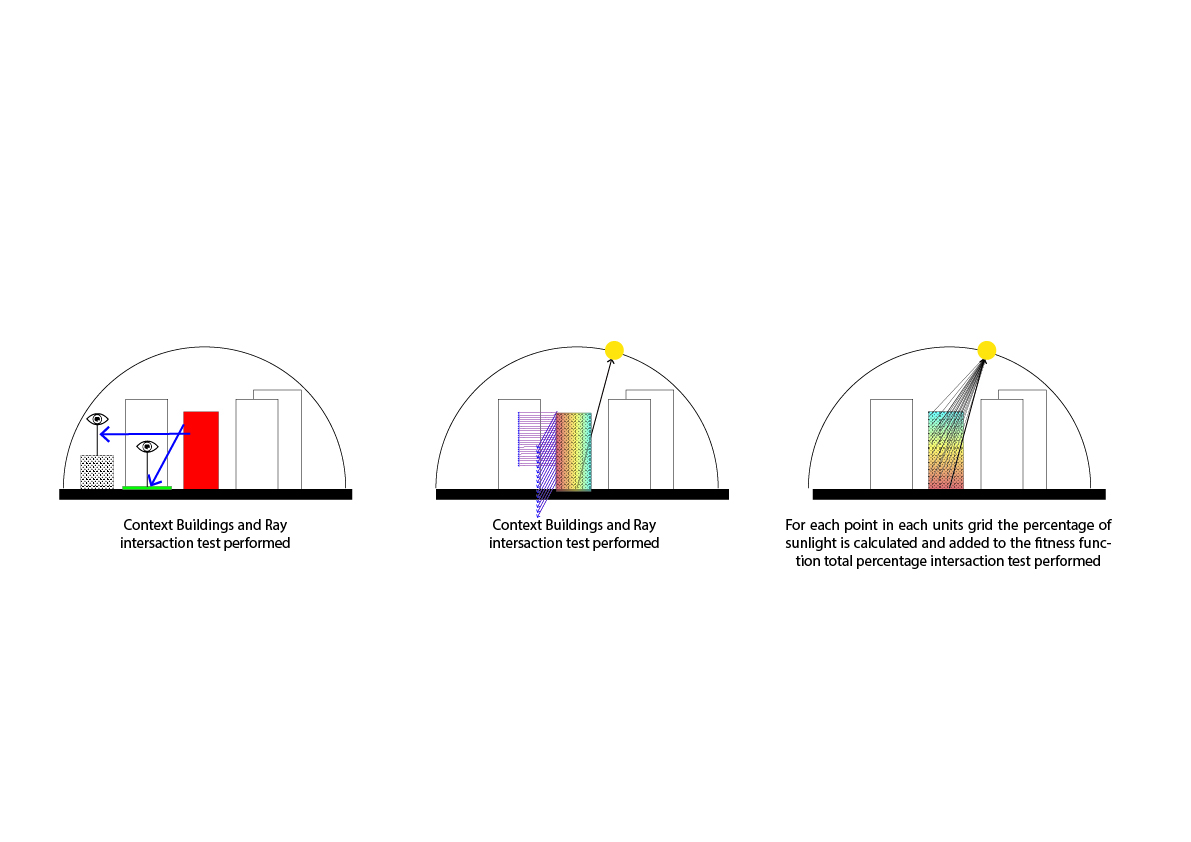
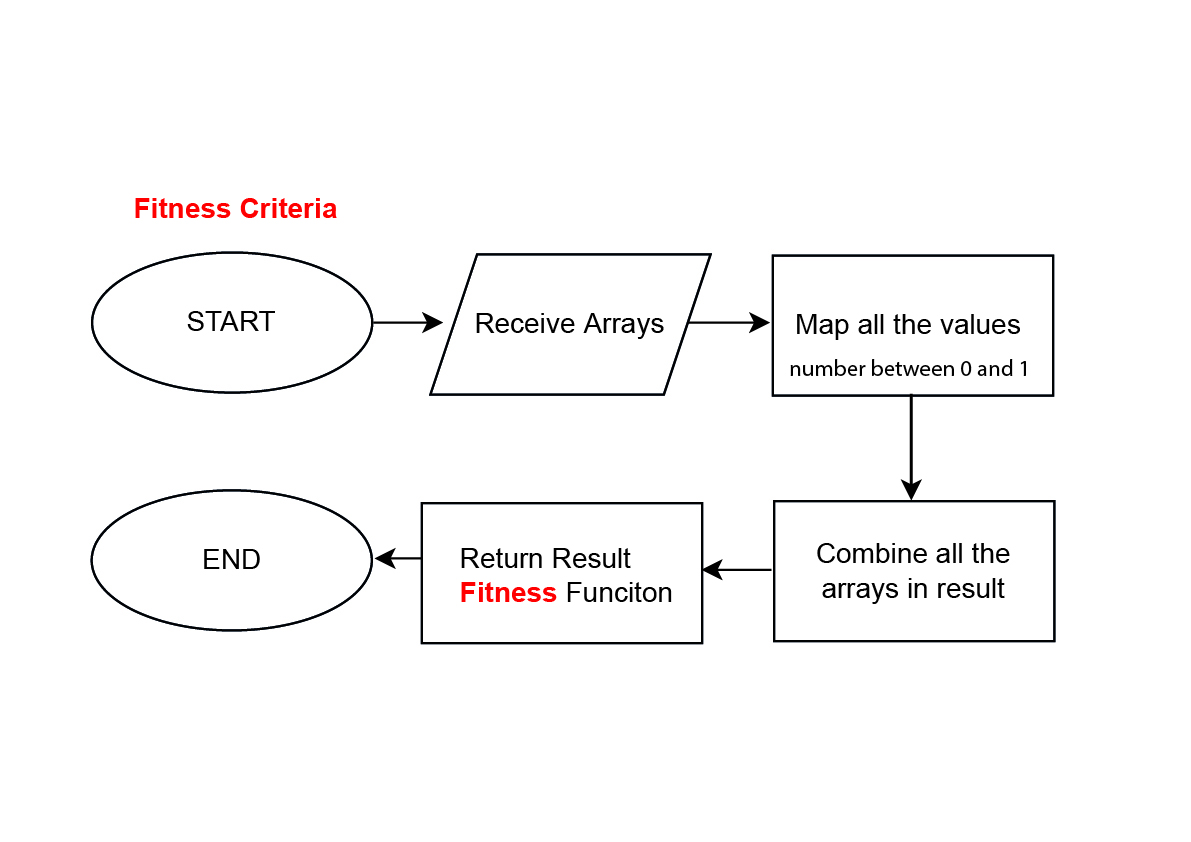
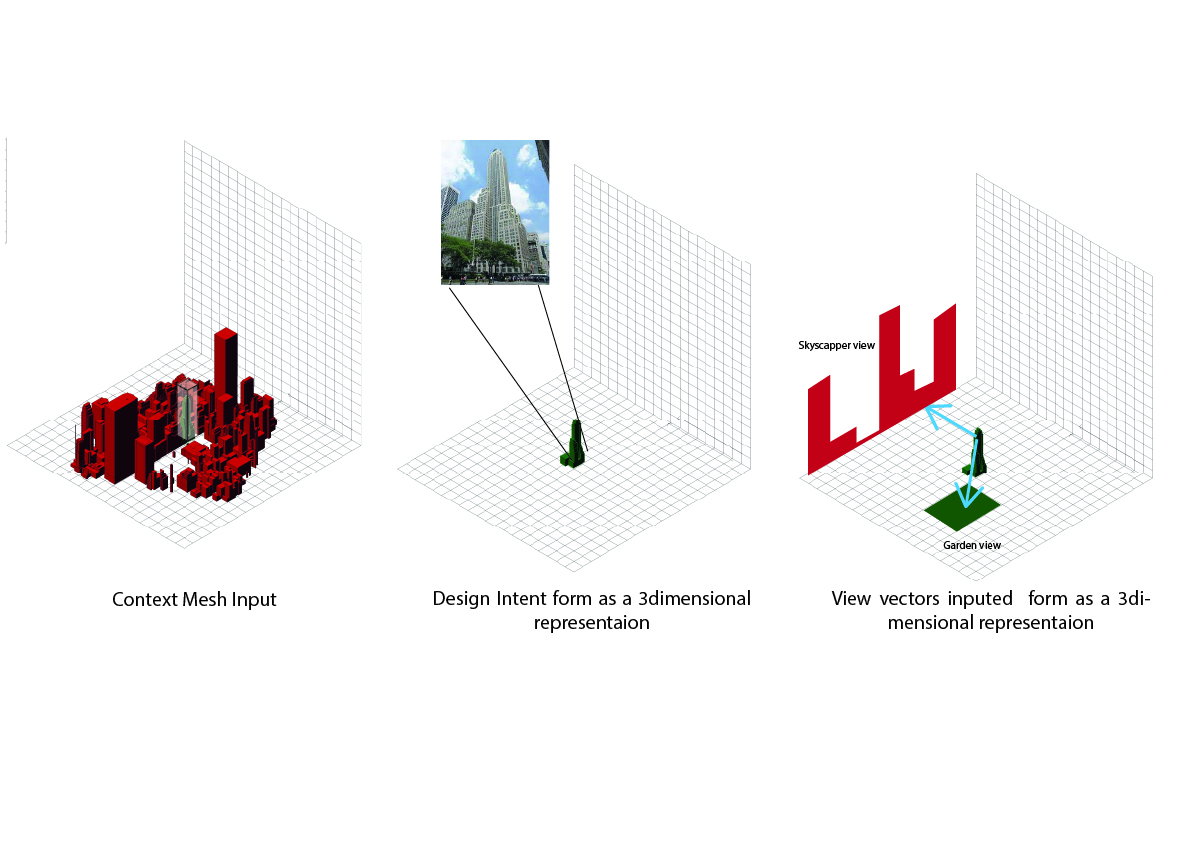
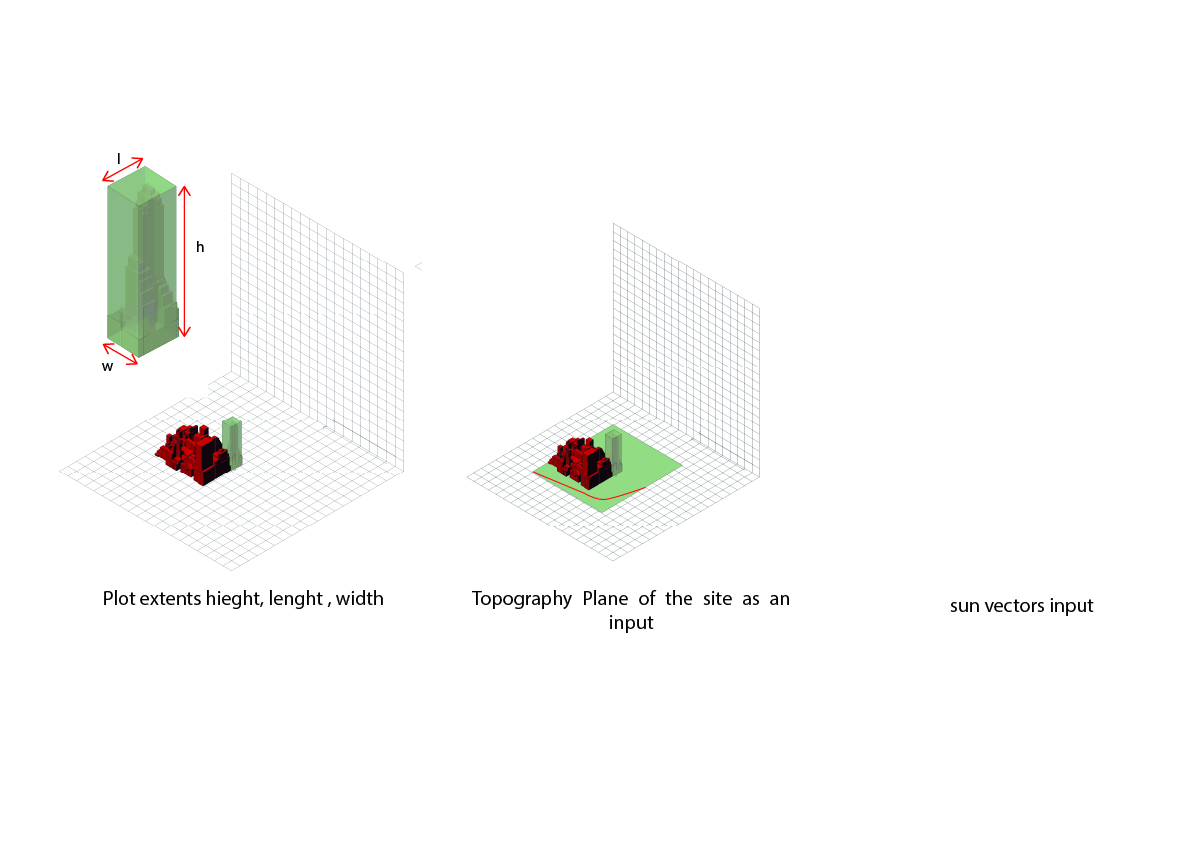
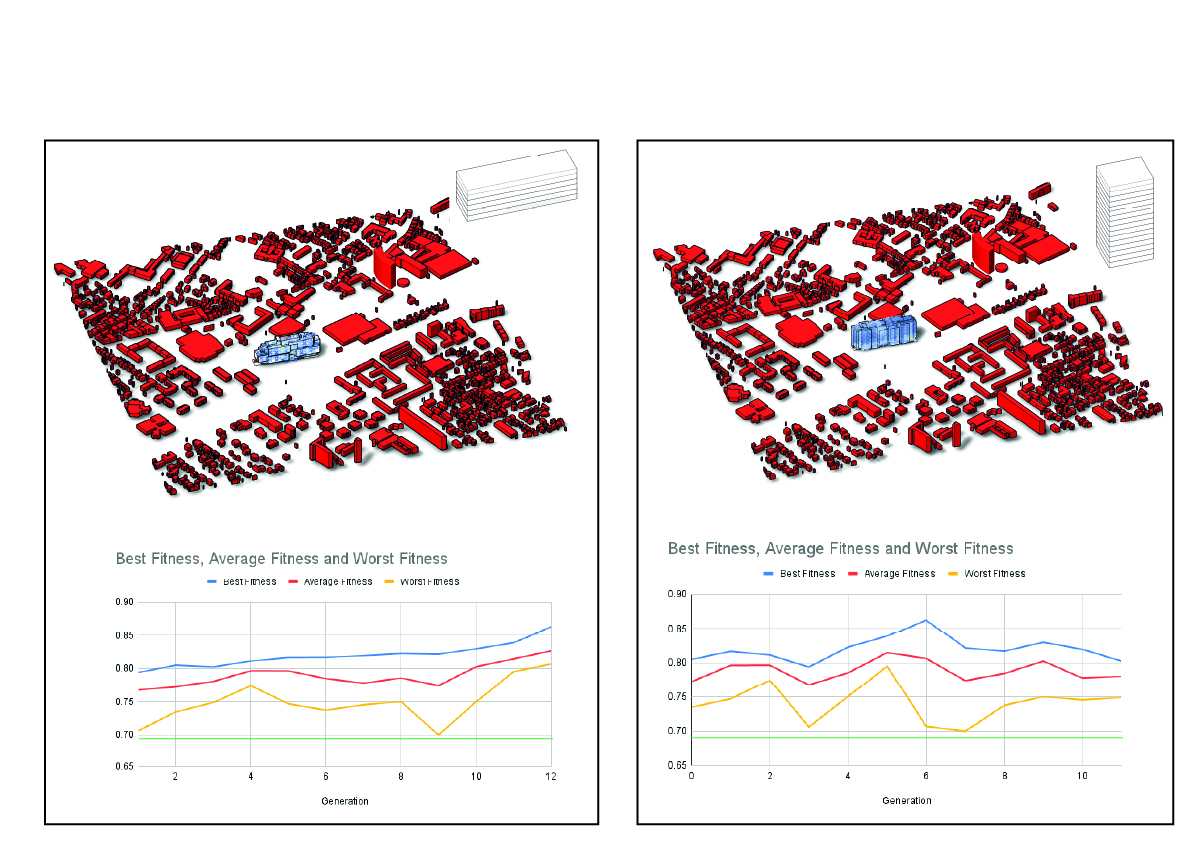
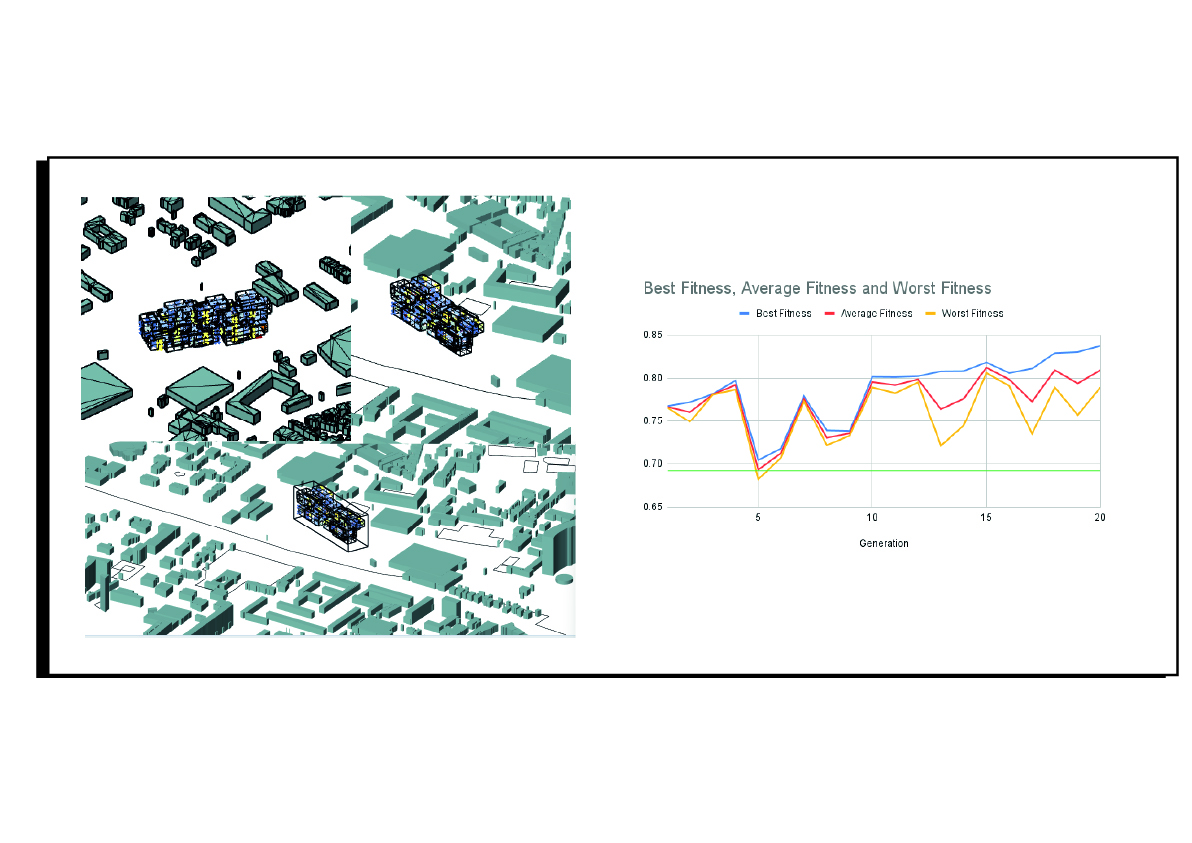
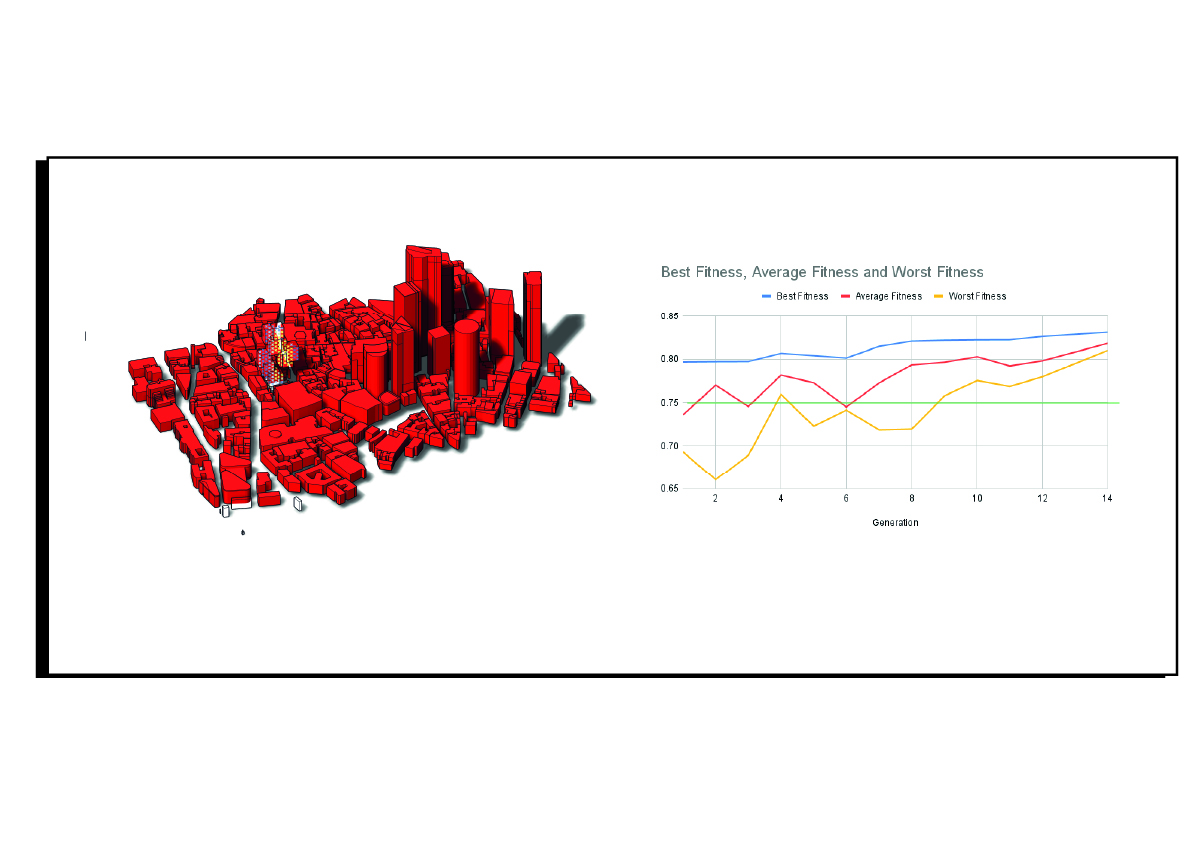
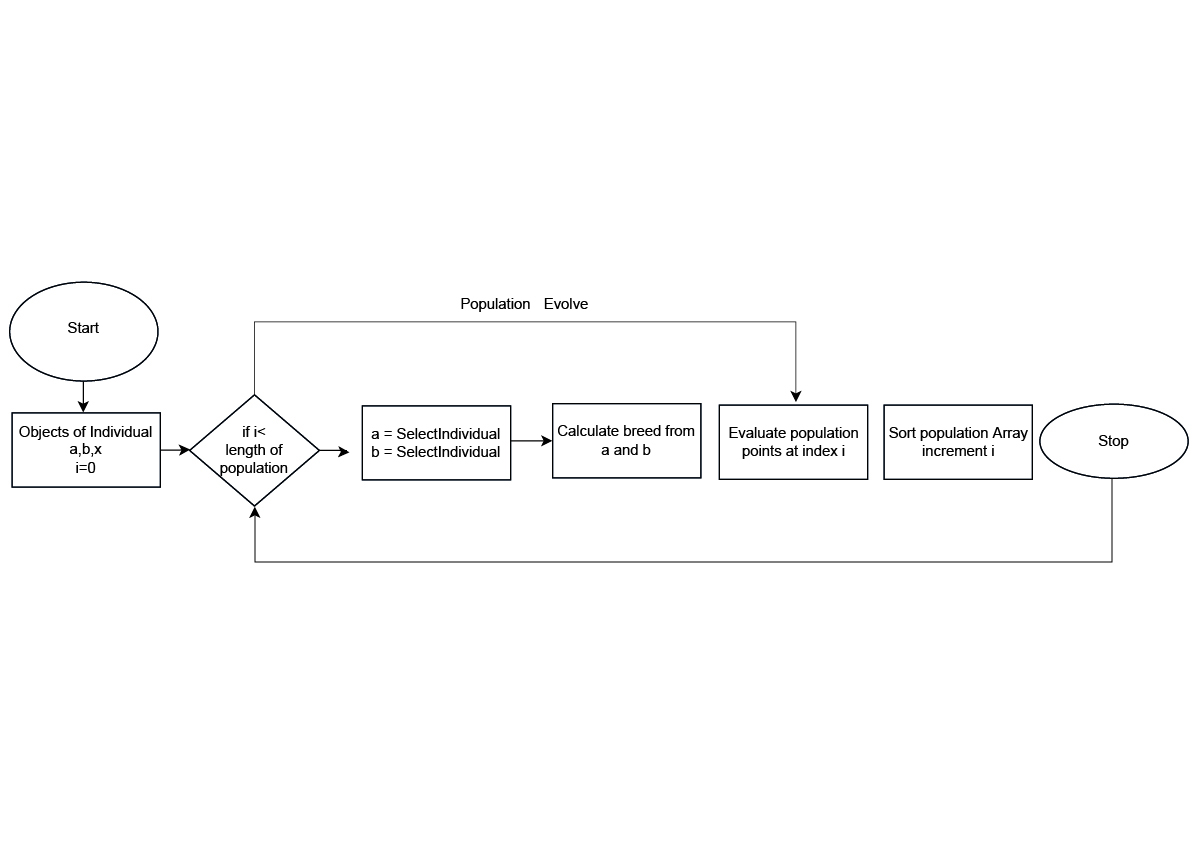
This research explores how multi-objective genetic algorithms (MOGA) can inform the architectural form-finding process, integrating environmental performance with design intent.
The study focuses on the early massing design phase, which is often guided by intuition rather than data, and introduces an optimisation-based tool to bridge that gap.
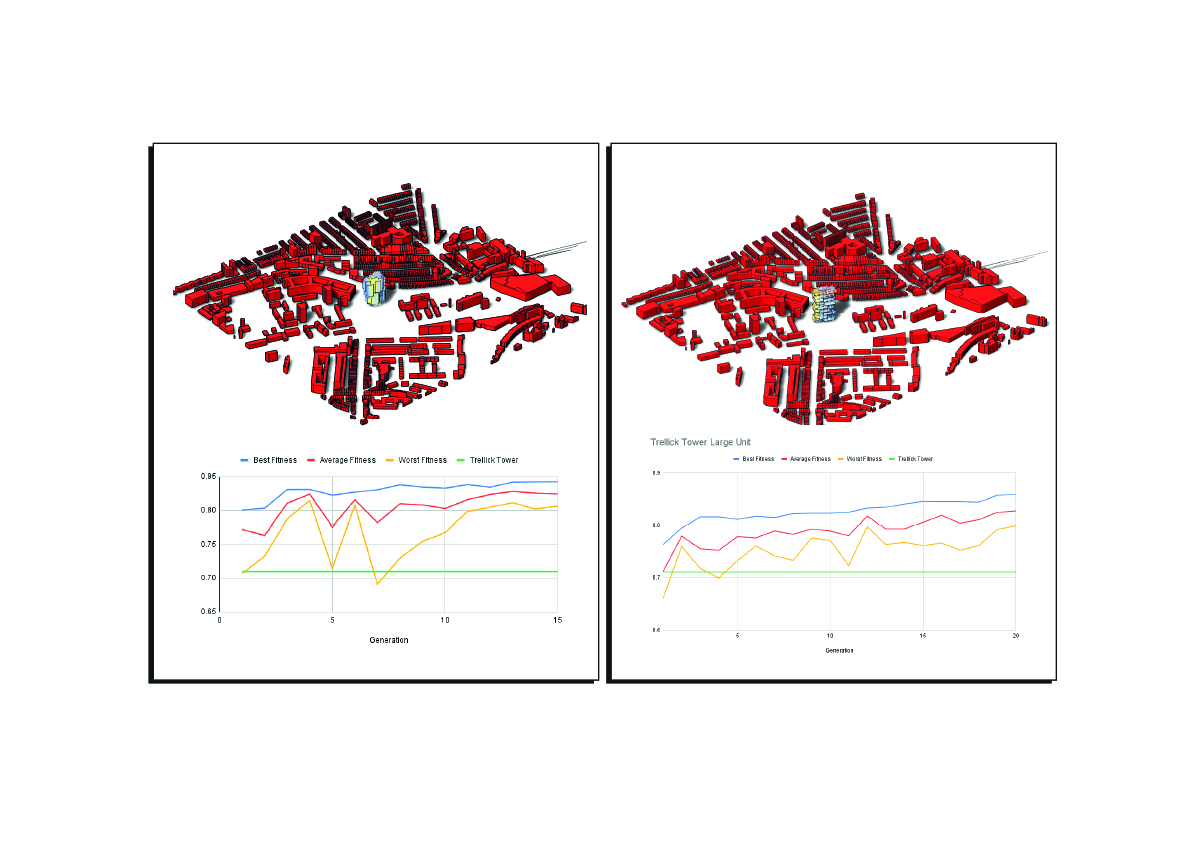
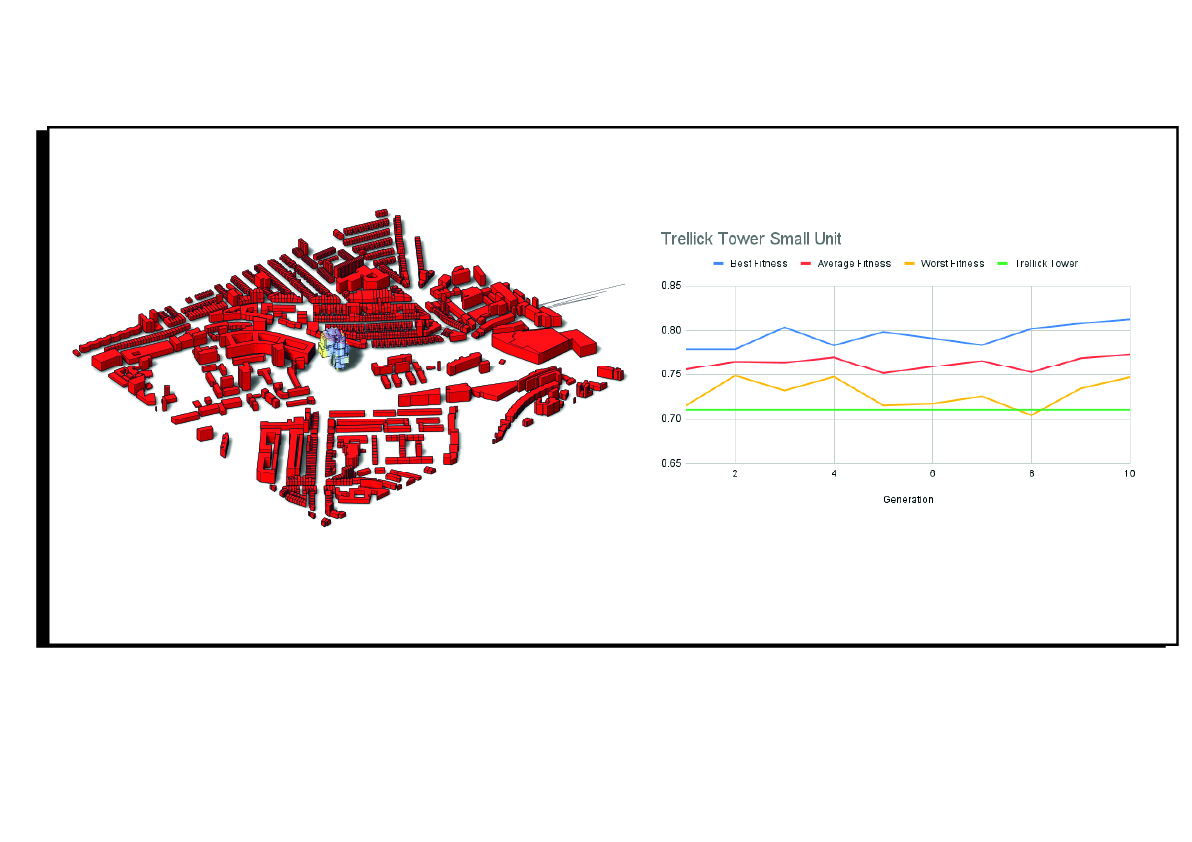
By embedding environmental parameters—such as maximising sunlight exposure, enhancing target views, and minimising shadows—the research demonstrates how numerical optimisation can support creative decision-making.
The developed method improved design fitness by an average of 15% compared to the original concept.
The project advocates for a more evidence-driven and inclusive design process, where computational tools collaborate with human intuition to enhance both aesthetic and environmental performance in architecture.
×

 Link
Link
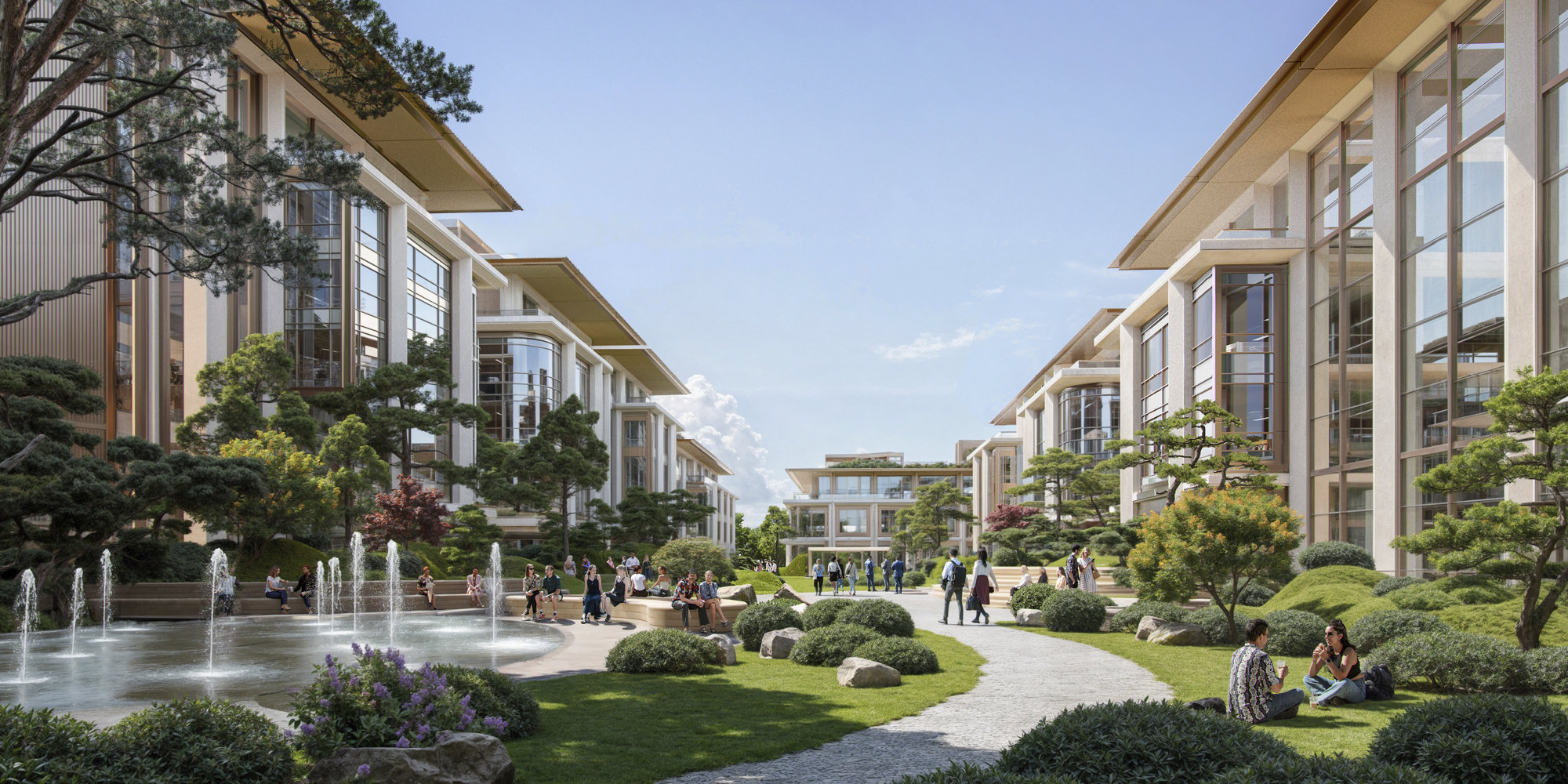
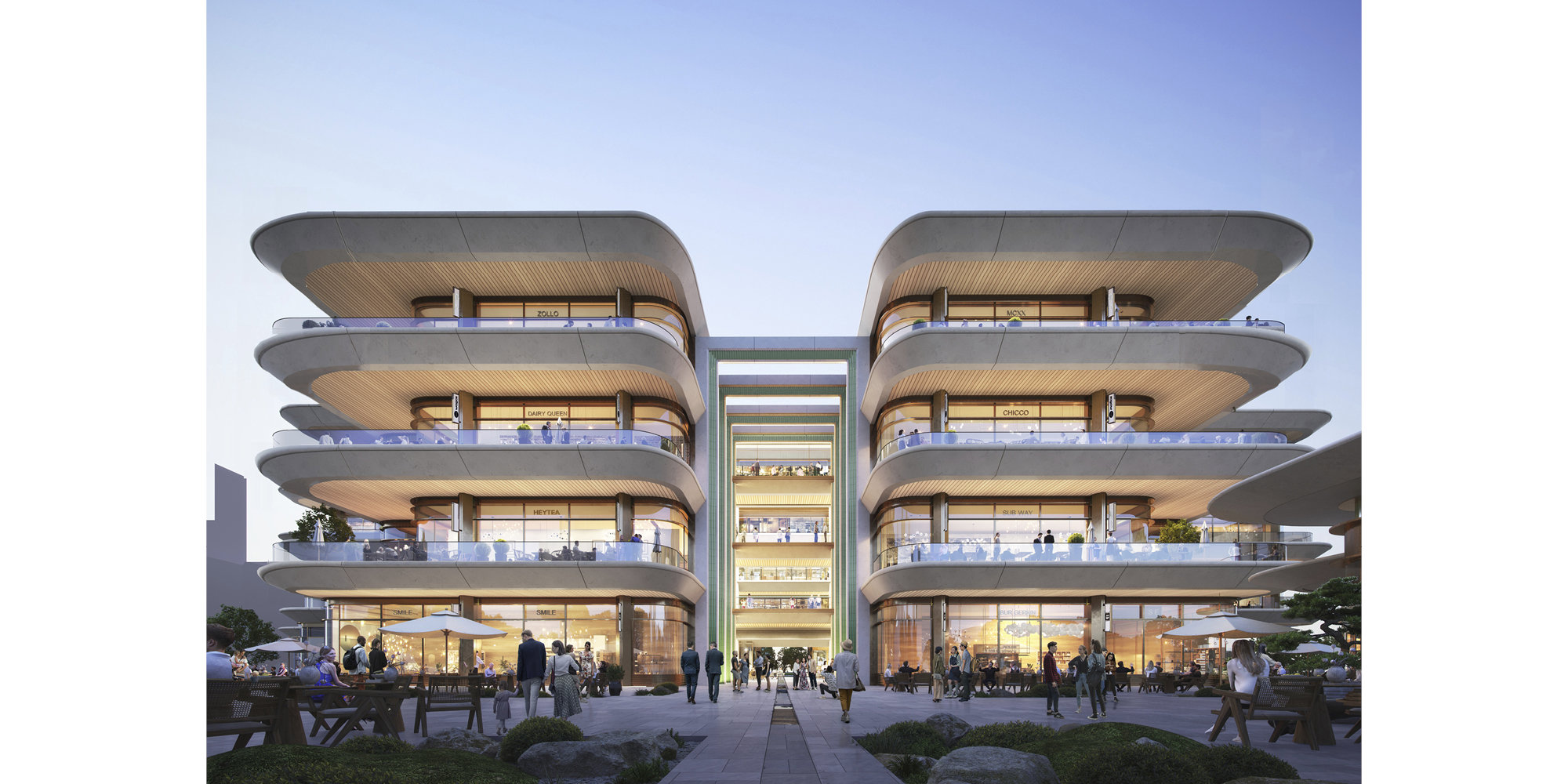
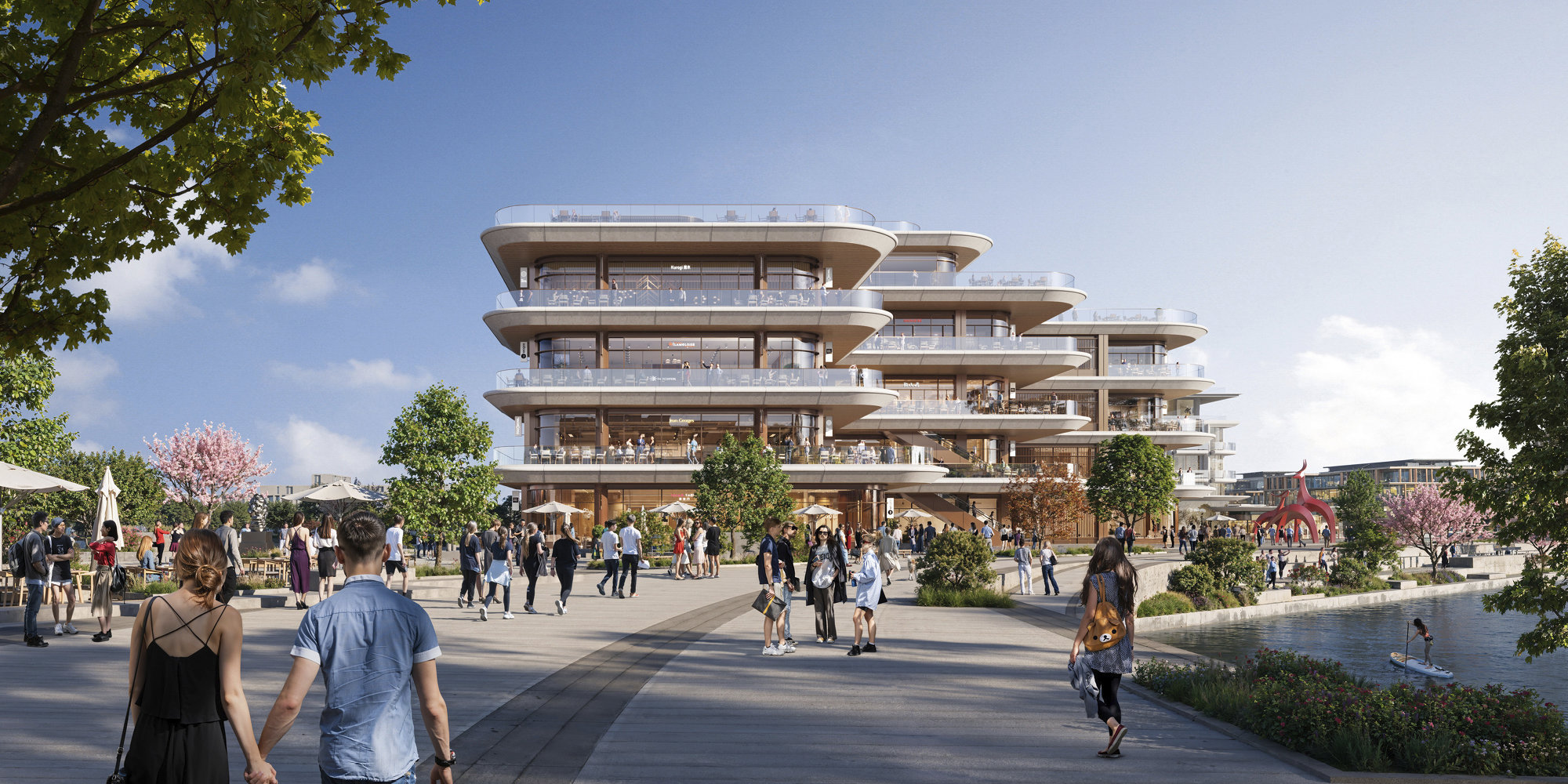
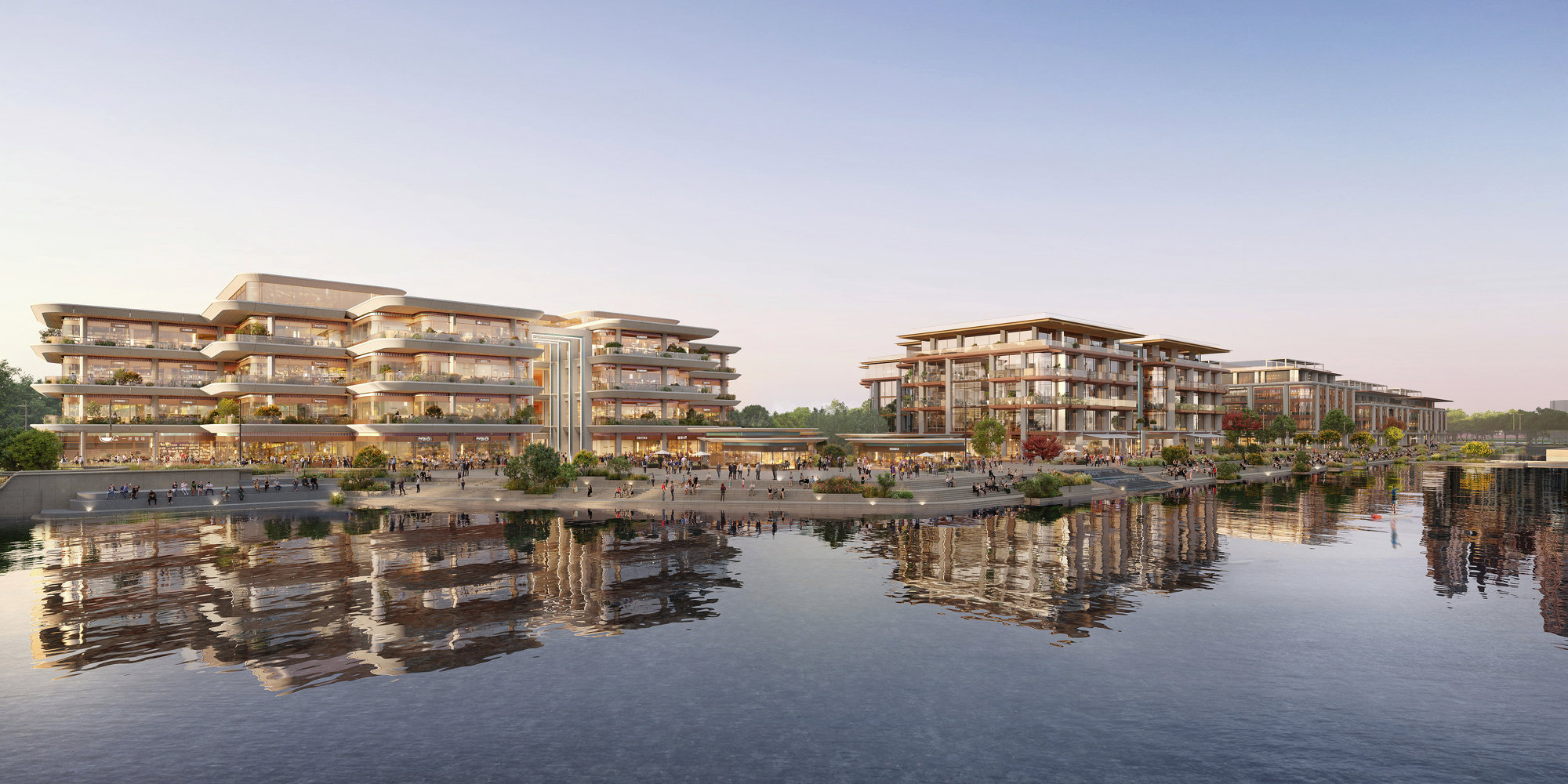
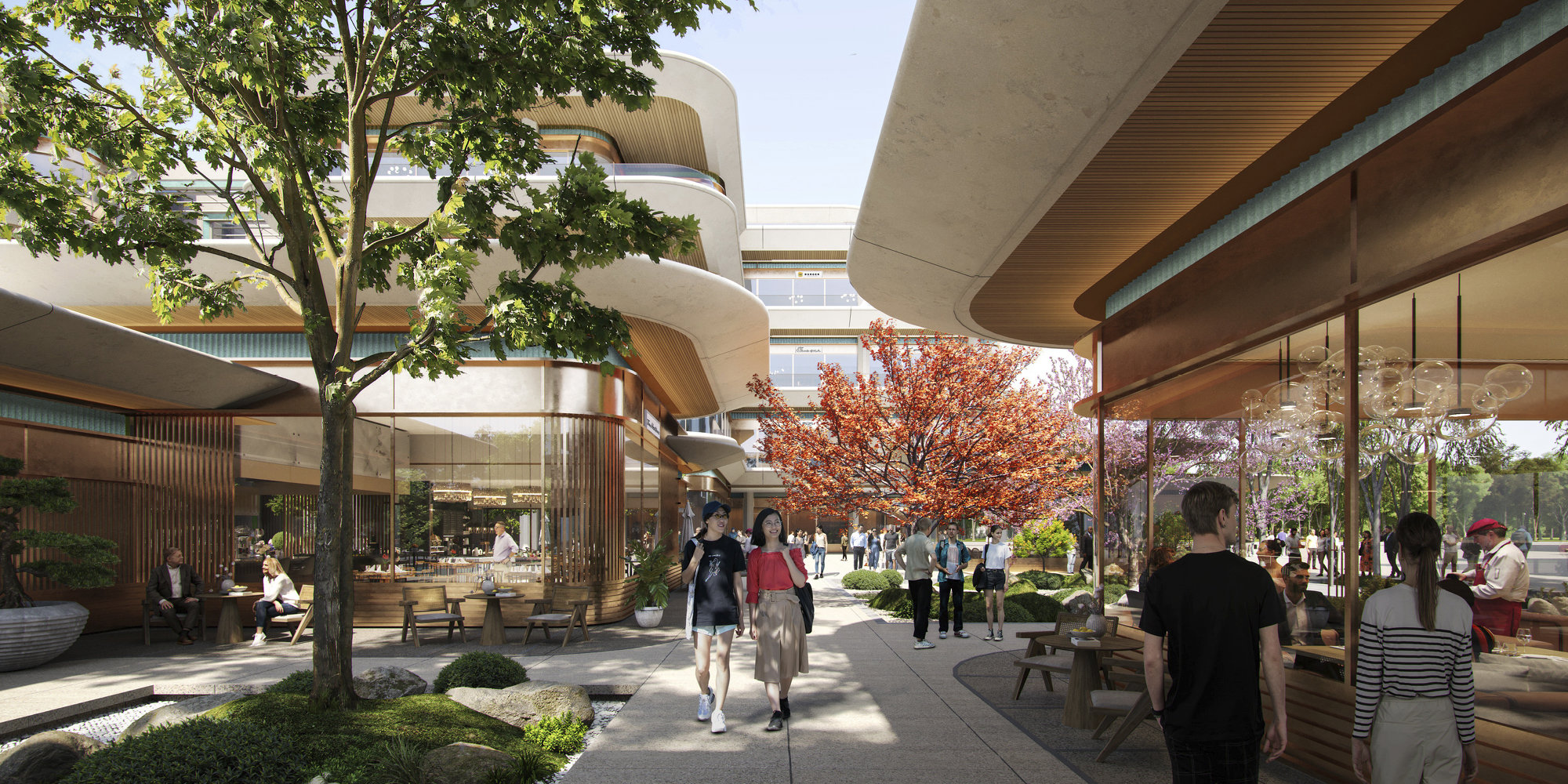
Sanlin Riverside Development ( retail & office)
A mixed-use riverside project in Shanghai featuring offices, retail, and flexible workspaces, connected by landscaped plazas, gardens, courtyards, a community park, and a waterfront colonnade.(under construction)
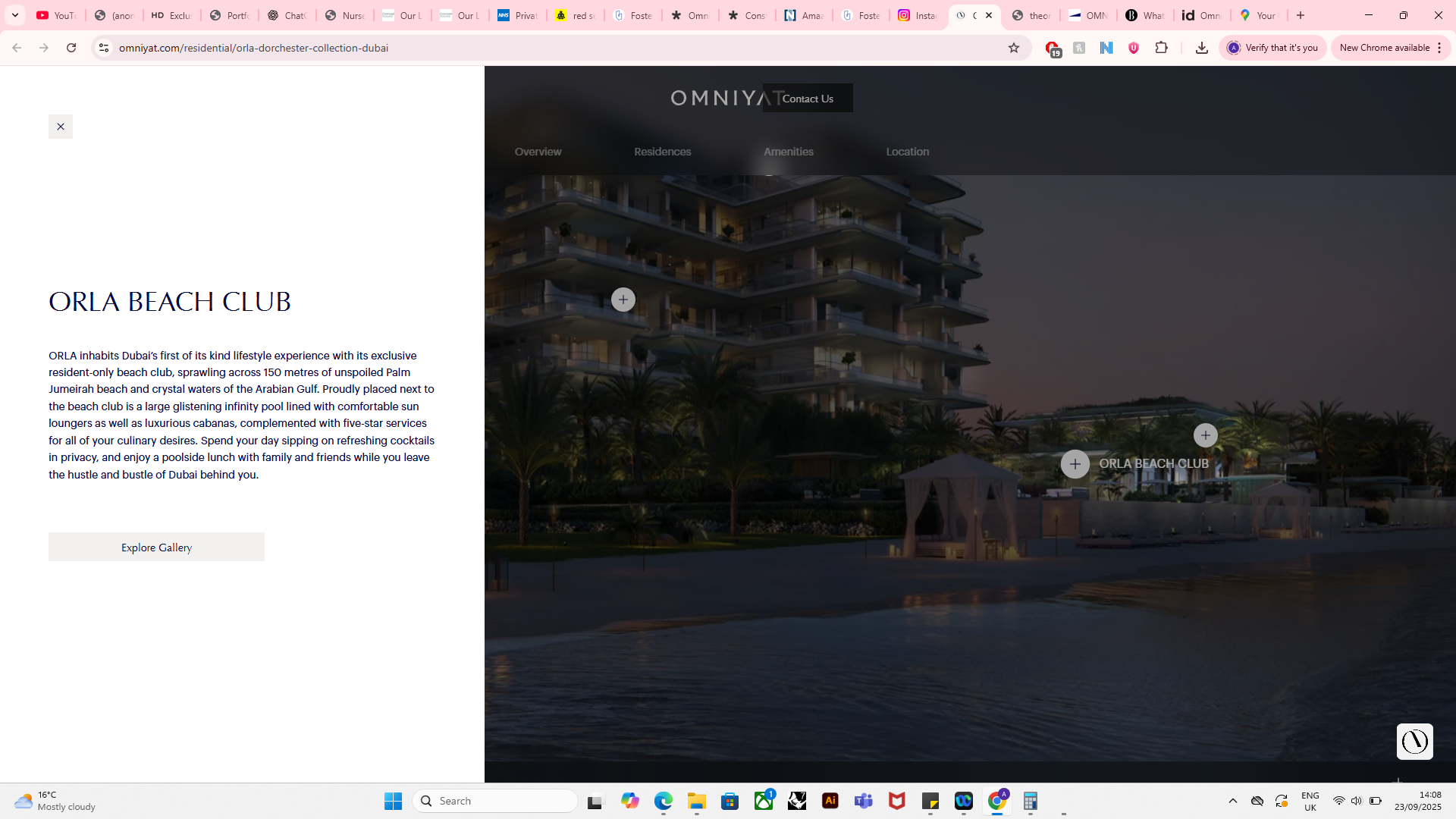
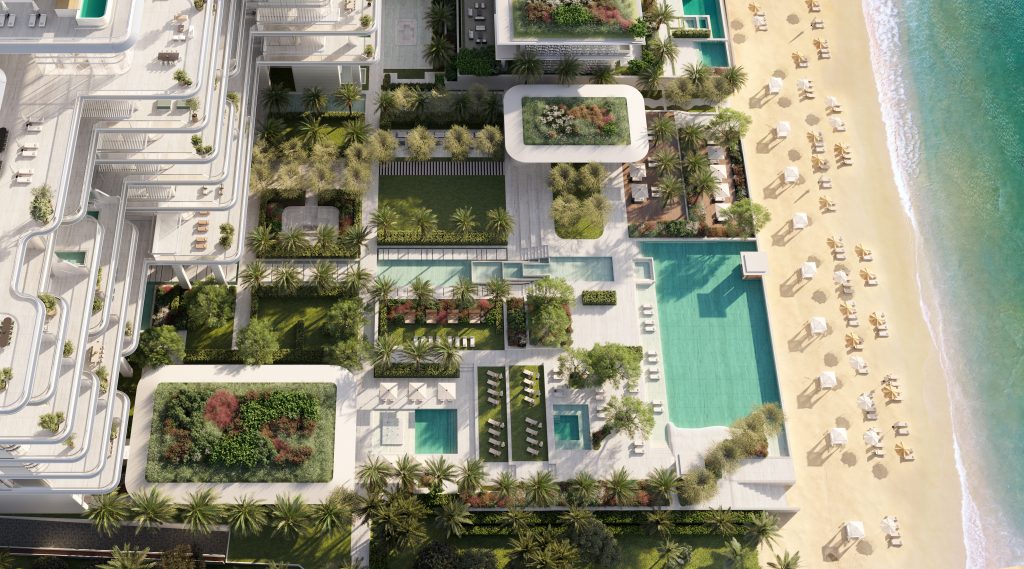
Orla Omniyat Residence & Beachclub (Residence & Beachclub)
×
 Link
Link
OMNIYAT ORLA
ORLA residences offer a seamless blend of indoor and outdoor living, with sunlight-filled spaces framing endless sea and sky views from sunrise to sunset. (under construction)
×
 Link
Link
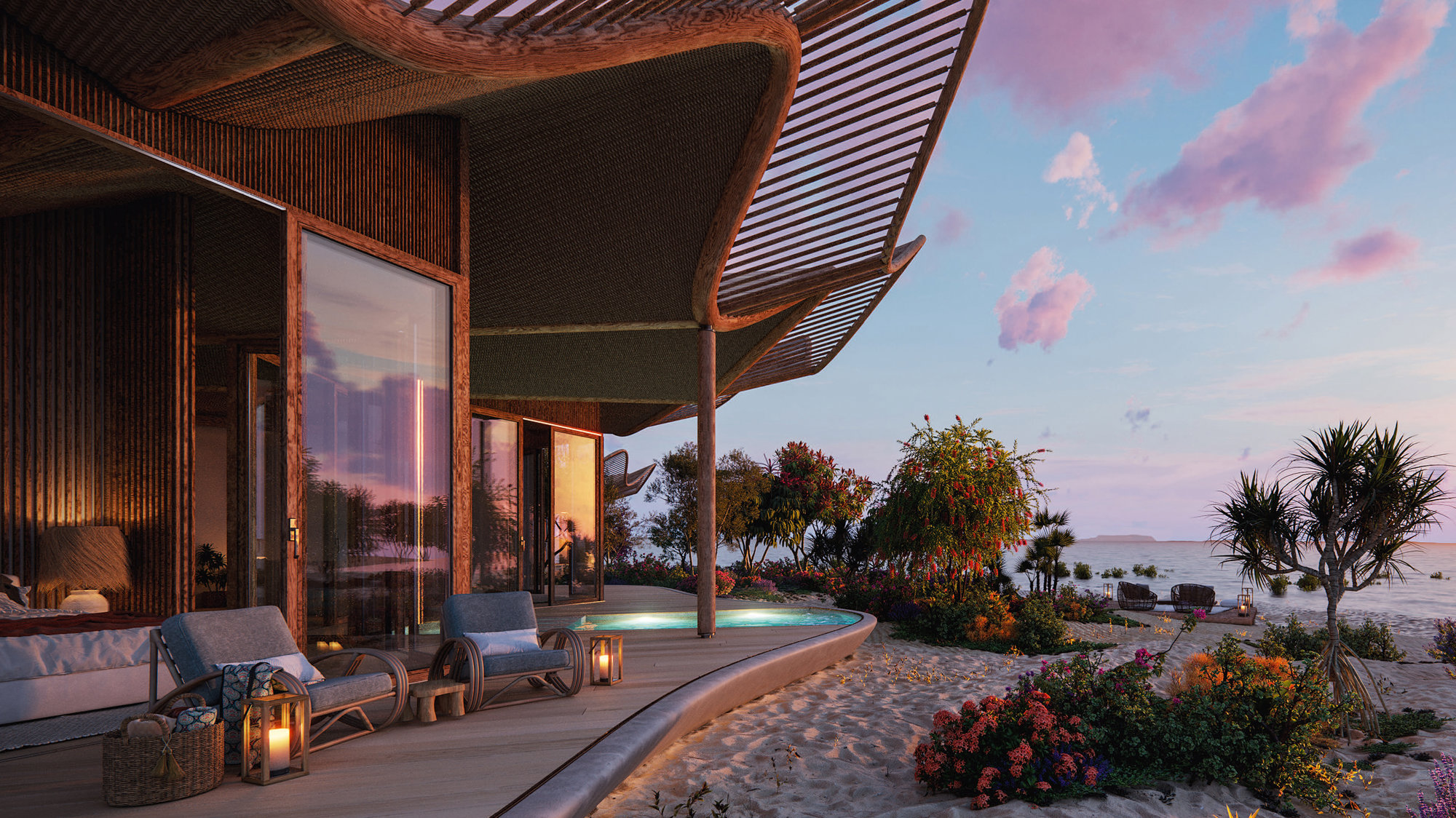
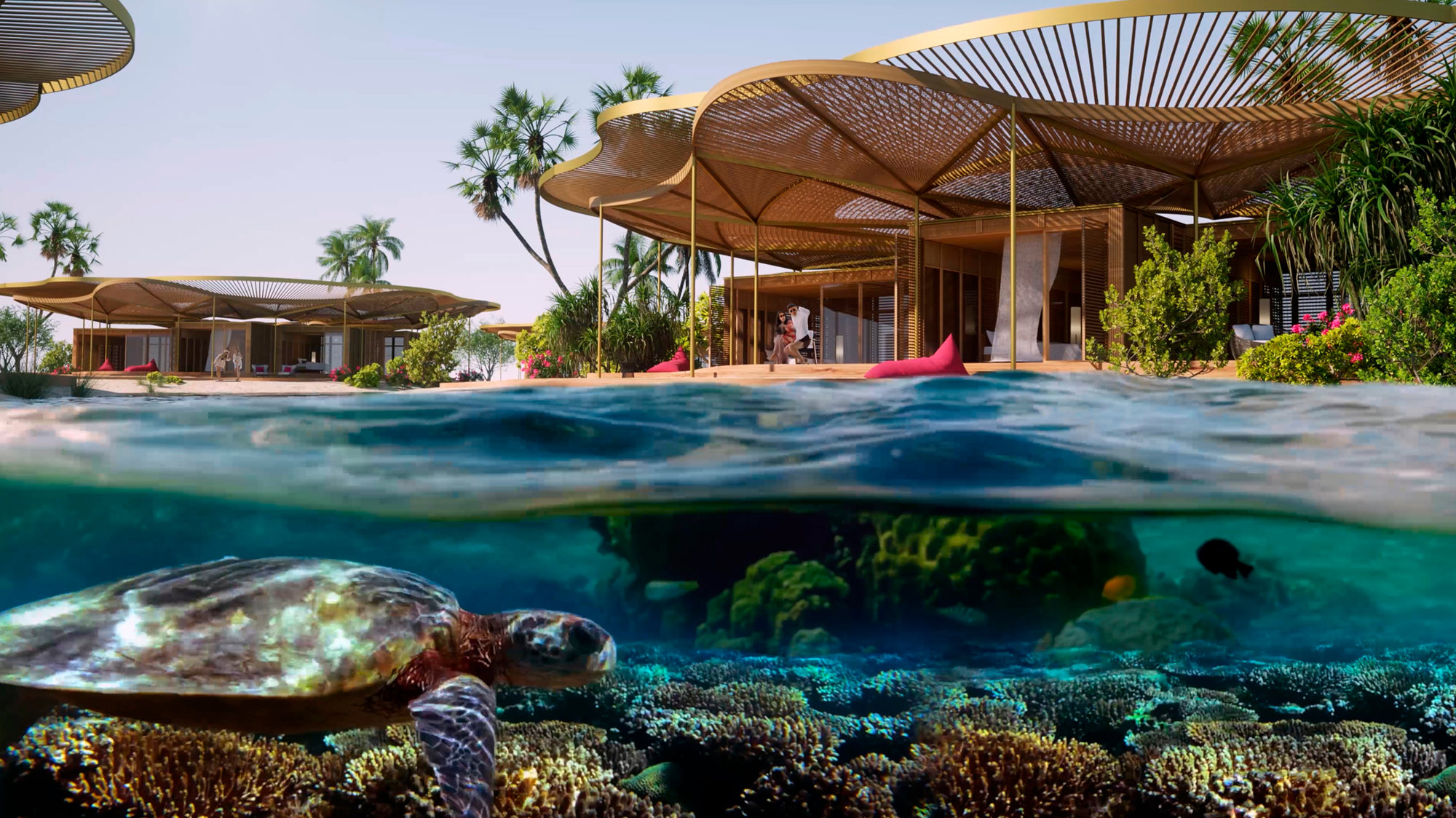
Shurah Island – Coral Bloom
Designed to harmonize with the island’s natural environment, the hotels, interiors, hospitalities, and restaurants blend seamlessly with the dunes. Low-impact materials and sensitive design enhance the pristine landscape. (under construction)
×
 Link
Link
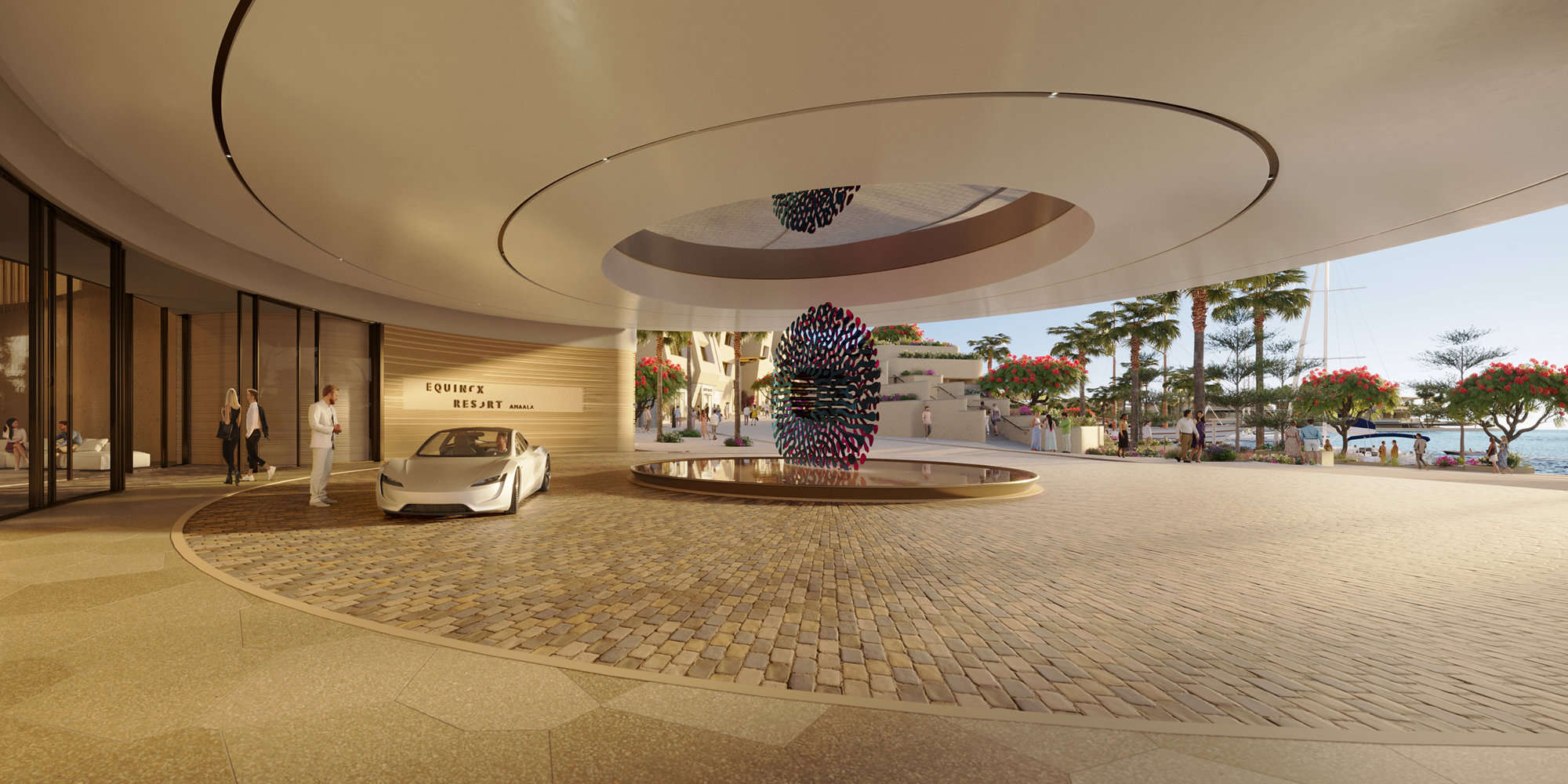
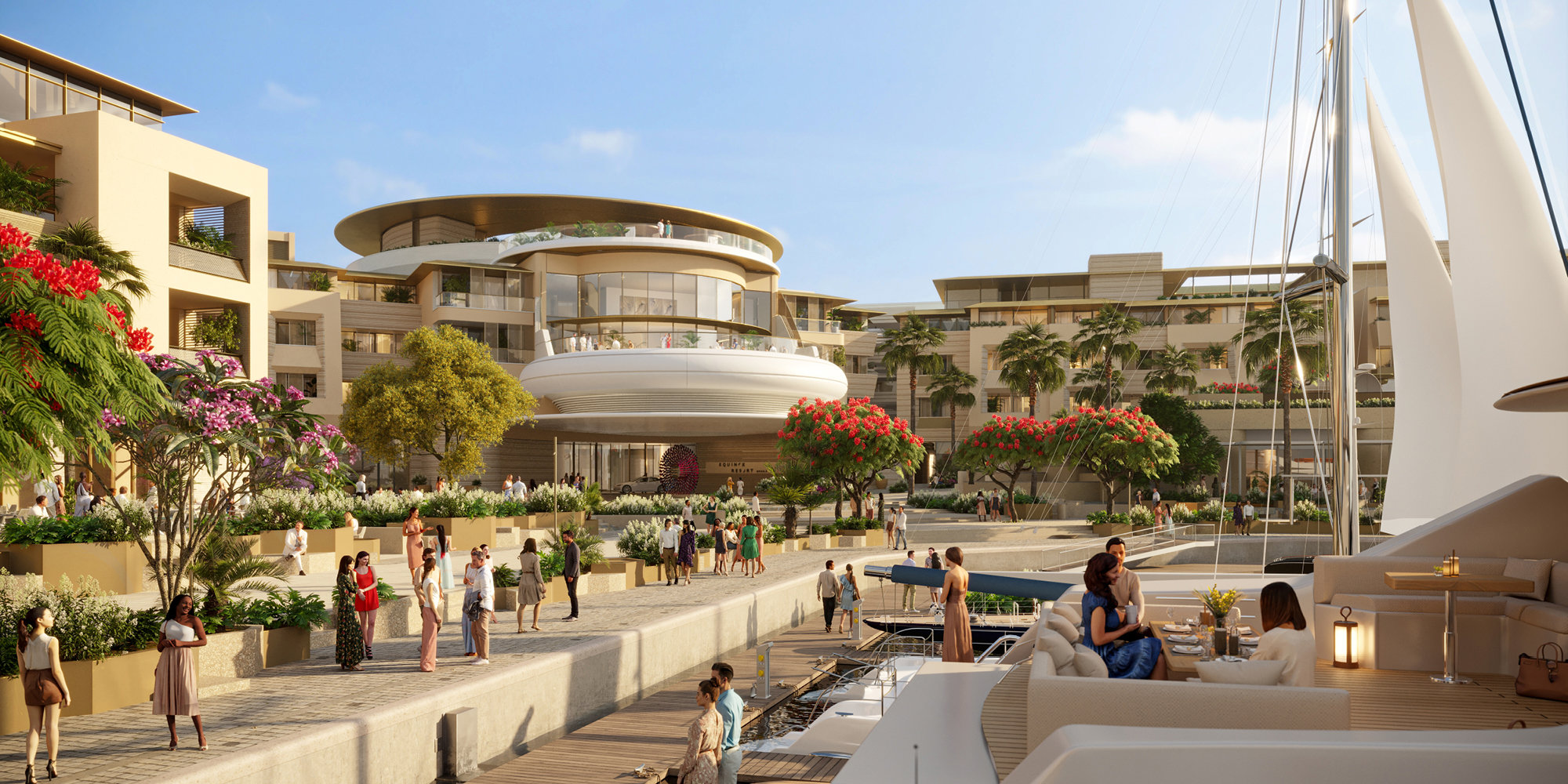
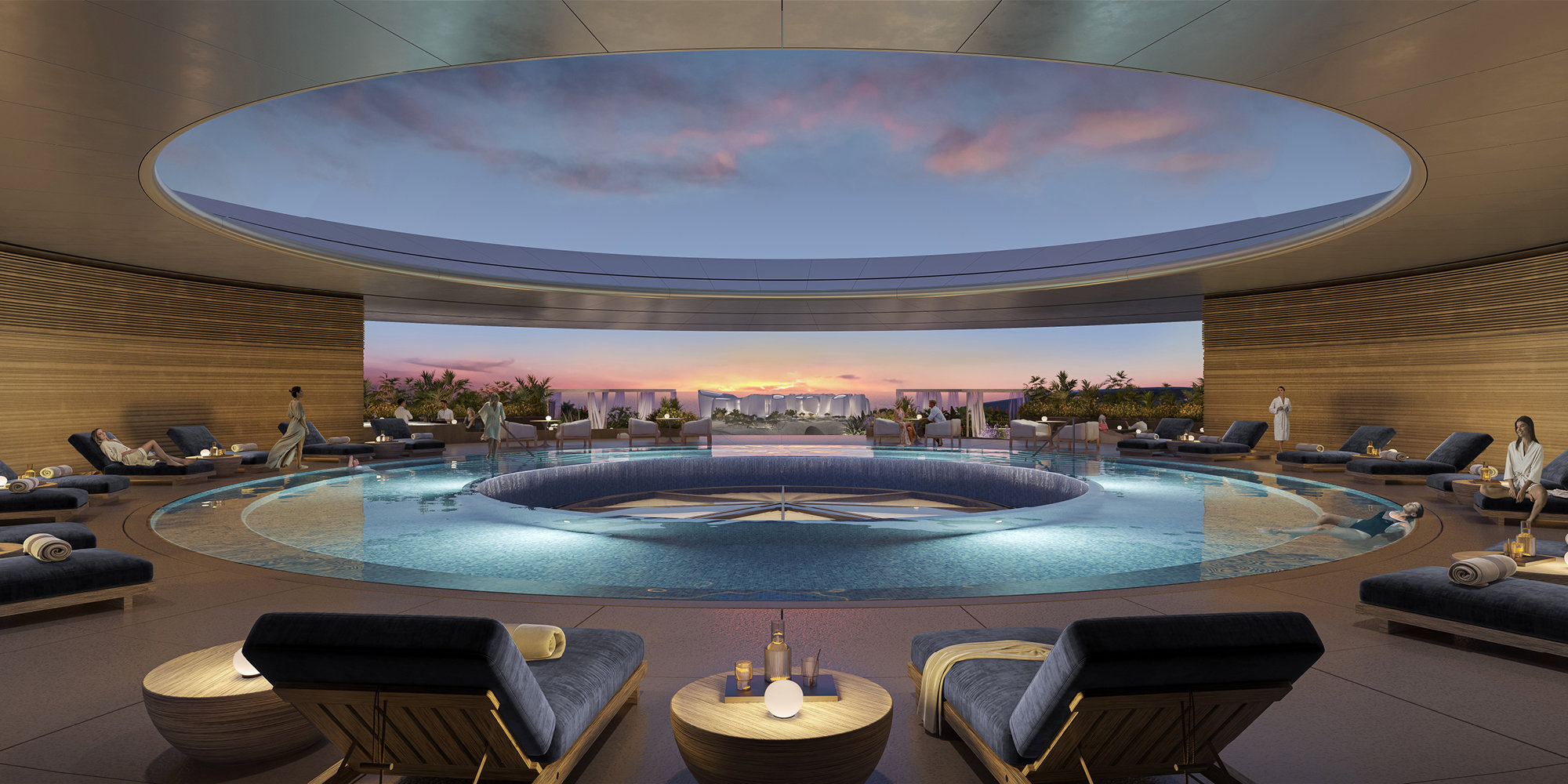
Equinox Resort Amaala
A luxury hotel on Saudi Arabia’s Red Sea coast, set within Marina Village at Amaala. The design features four shaded green courtyards inspired by traditional regional architecture, creating naturally cool, restorative spaces, with arrivals and departures framed by stunning marina views.(under construction)
×
 Link
Link
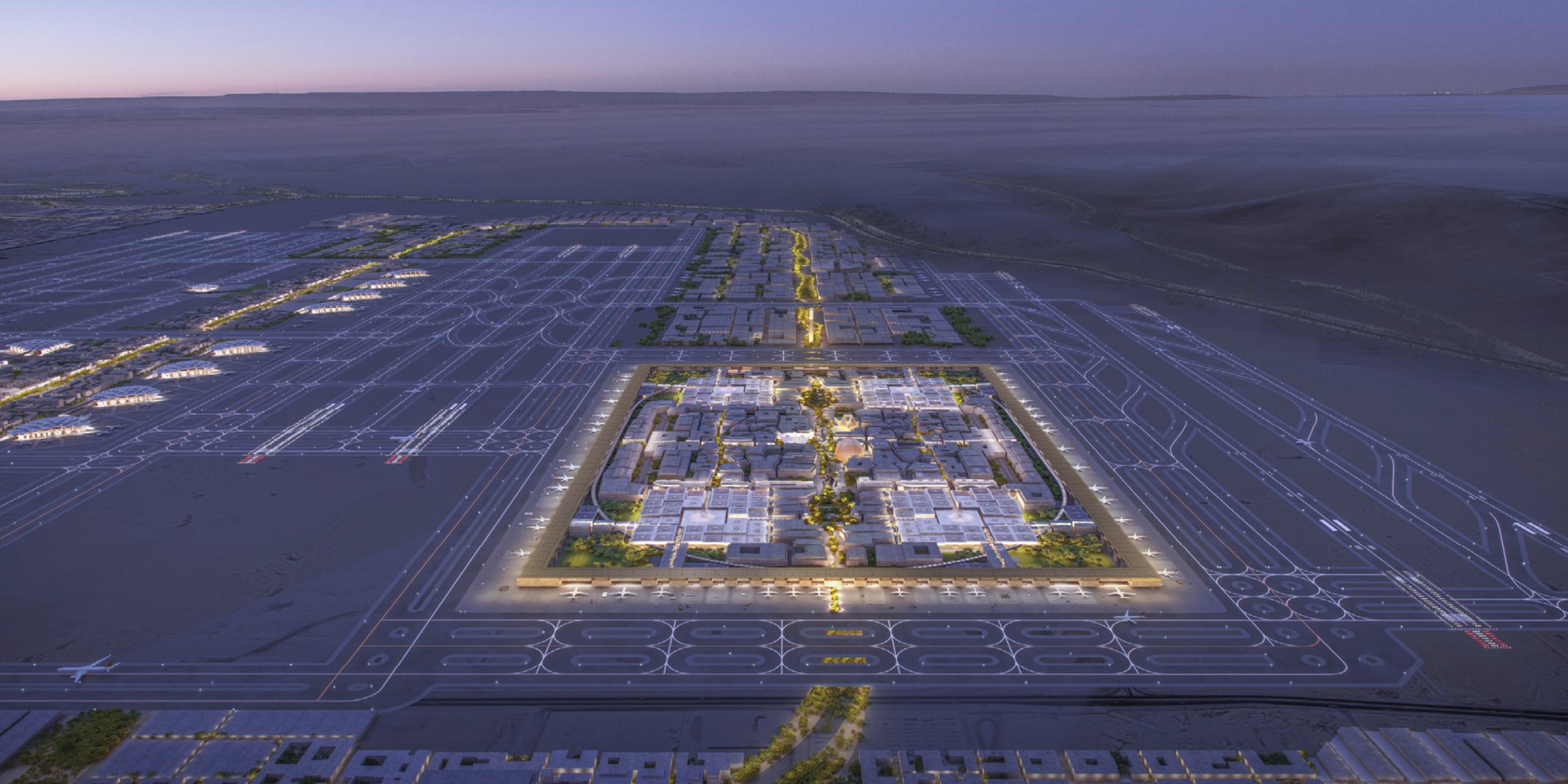
King Salman International Airport
A visionary urban masterplan redefining Riyadh as a global logistics and travel hub. Spanning 57 km² with six parallel runways and multiple terminals (under construction)
×

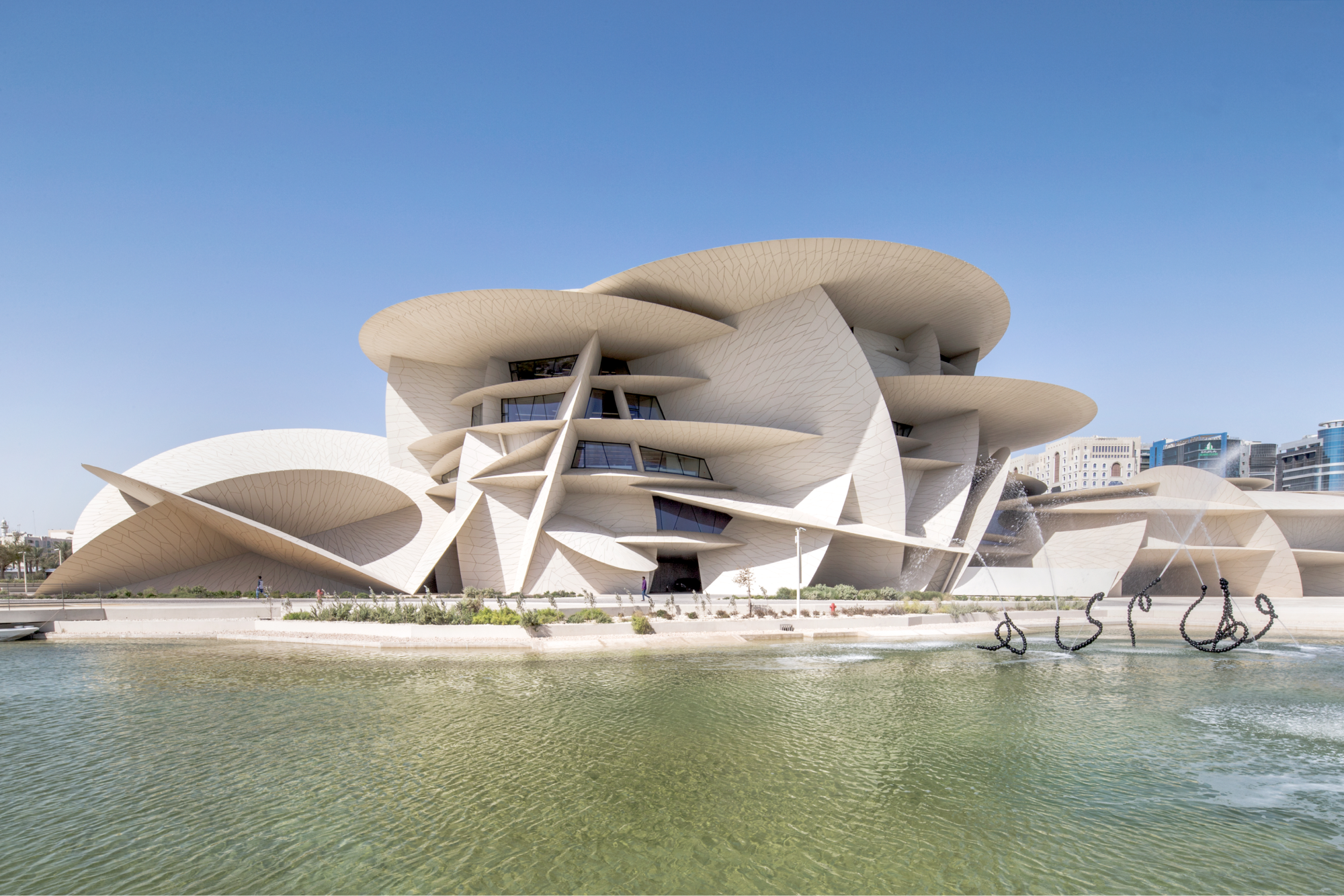
Nation Qatar History Mueseum
Projects
Built Work
Studio Practice Work
Computation & AI
Concepts
Competitions
Built Work
▼
Built Work
Studio Practice Work
Computation & AI
Concepts
Competitions
×


×


×

LEED GREAN ASSOCIATE
×

RIBA Architecture
×

ARB Architects
×
×
×
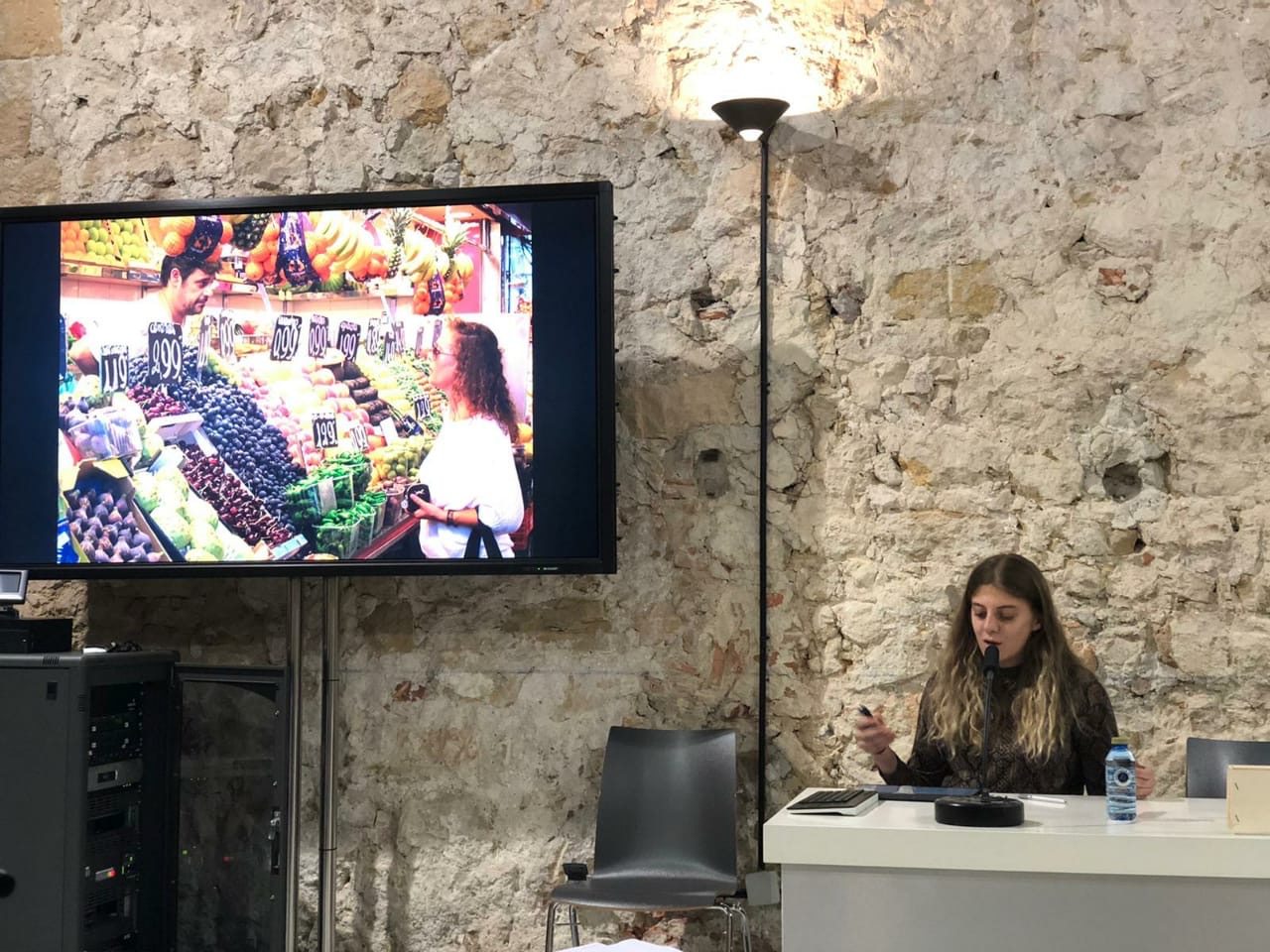
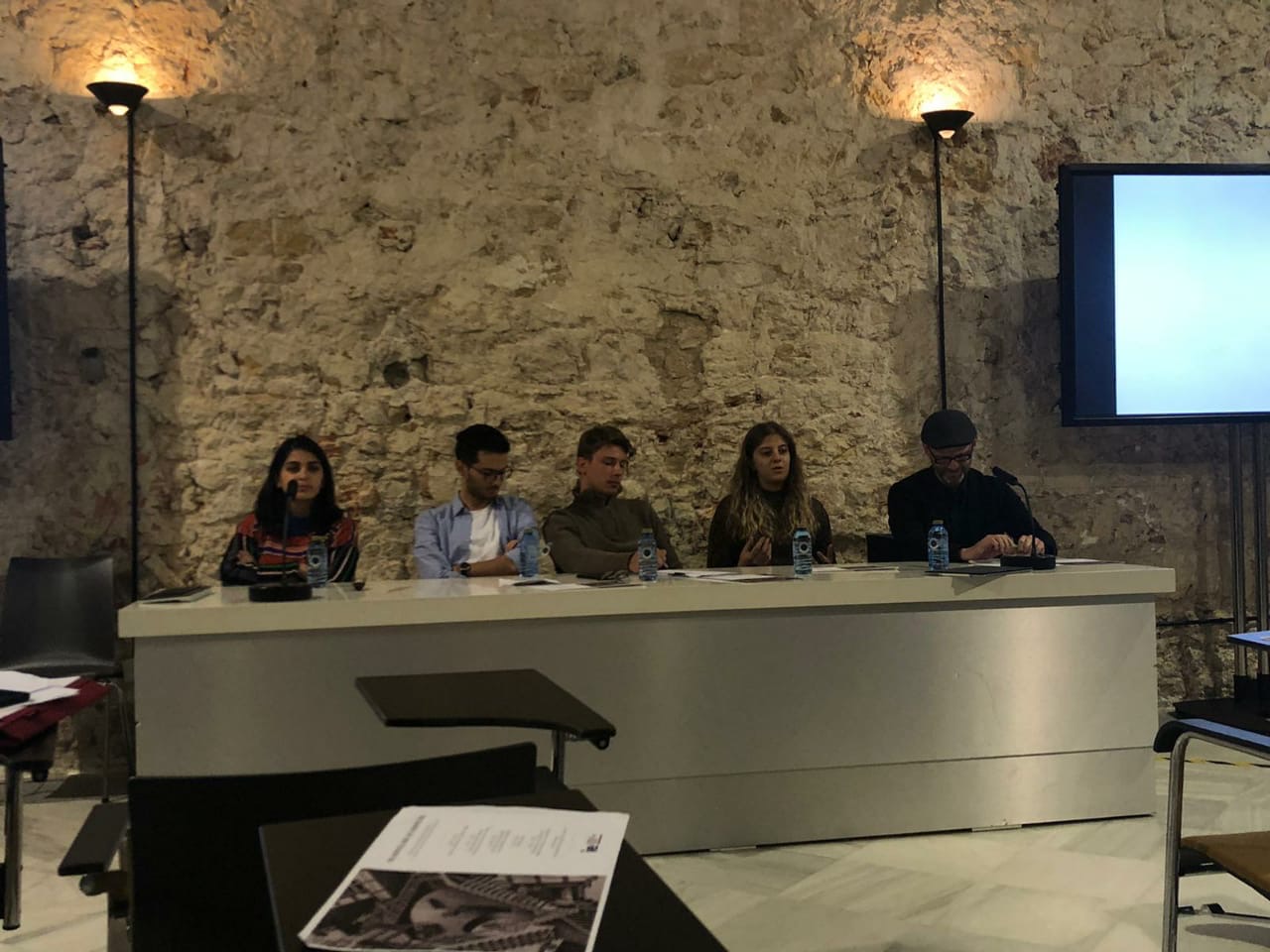
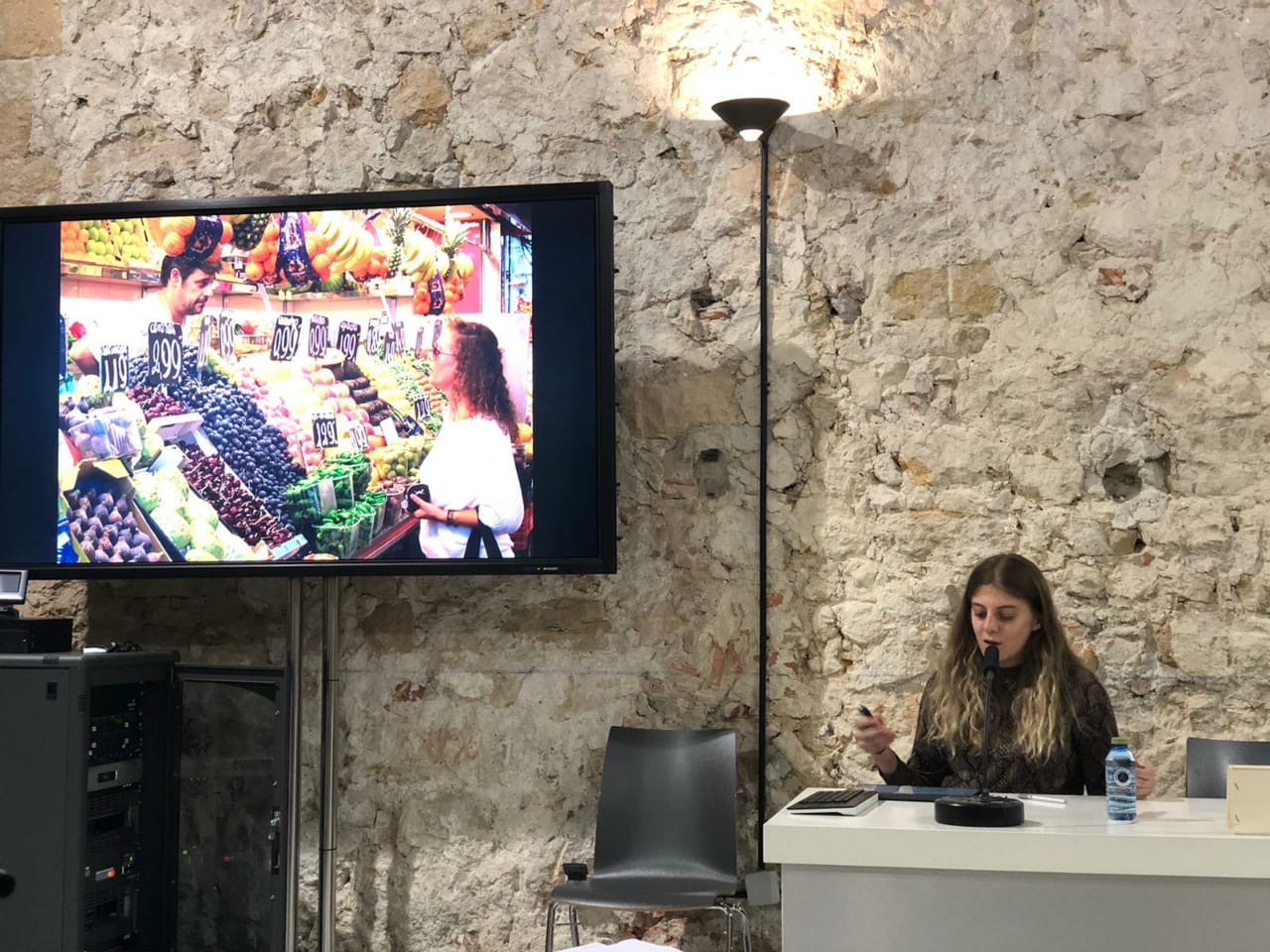
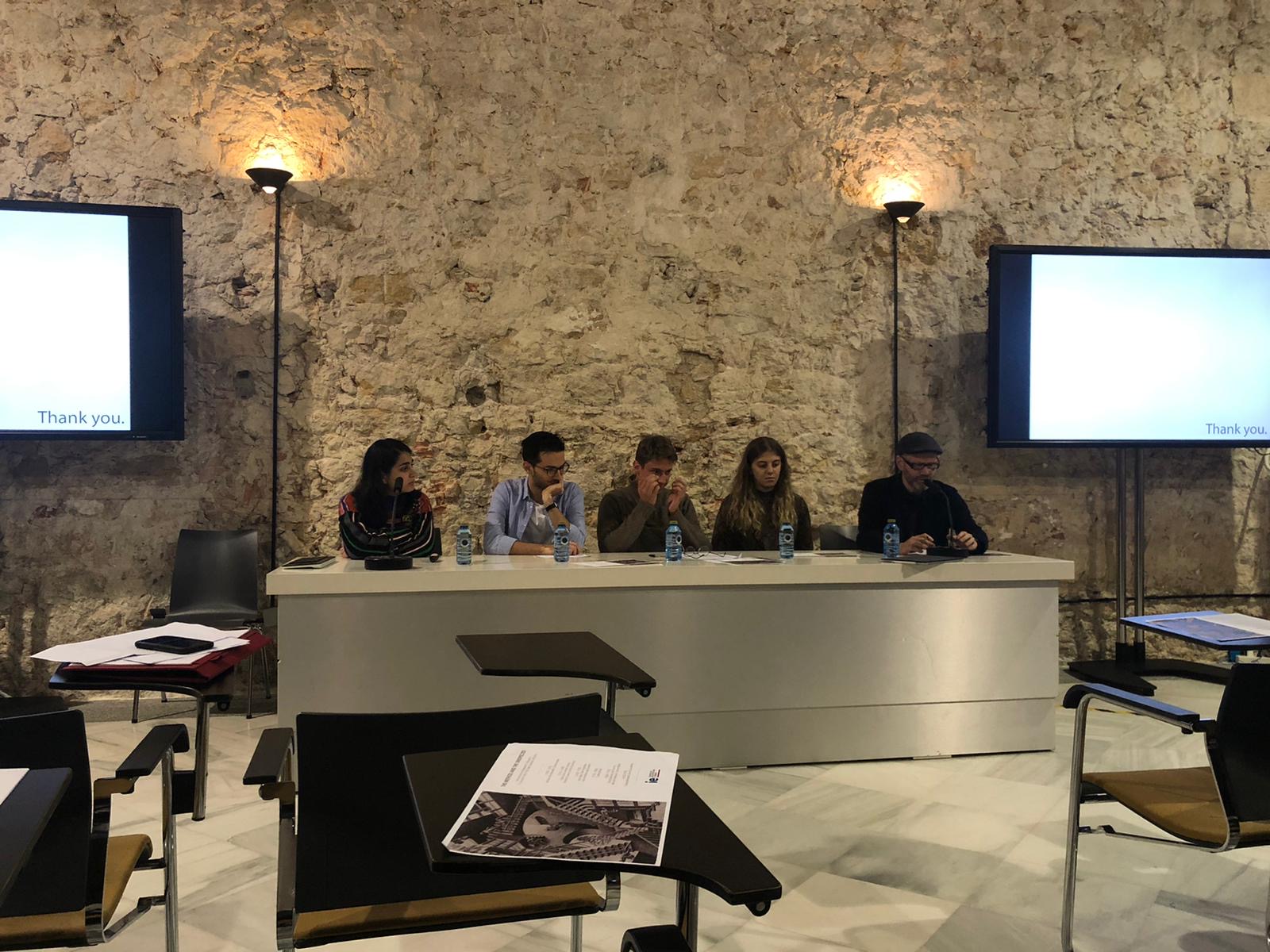
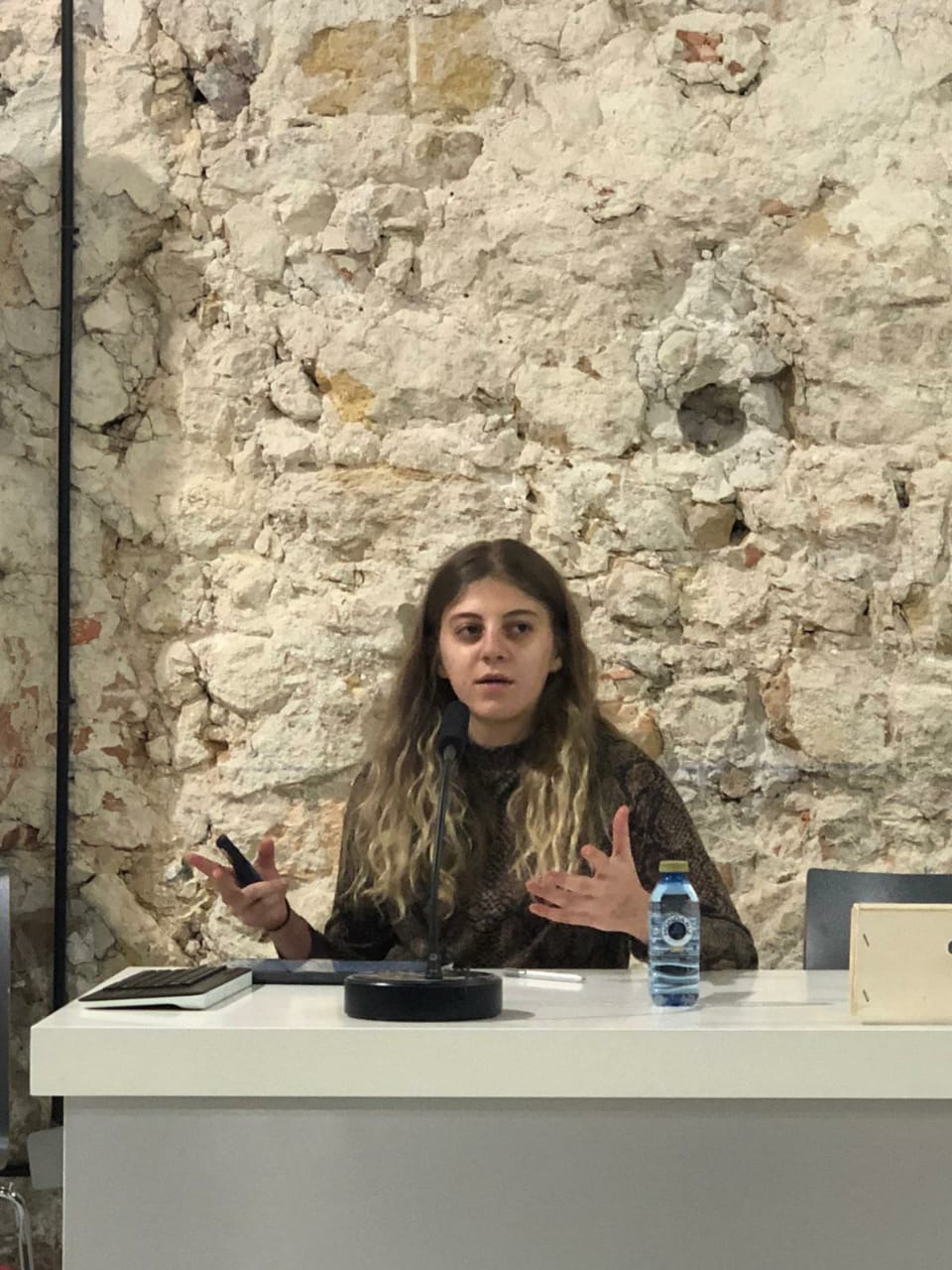

Second Annual Research Colloquium
Building Net-Negative Homes In this talk, I presented and explored how architects can rethink materials, construction, and responsibility to move beyond sustainability and toward net-negative design creating buildings that give back more than they consume.
Drawing on examples from other industries, I discuss how byproducts and discarded materialssuch as fruit wood crates and industrial offcuts can be reimagined as valuable building components.
The talk highlights the creative and practical tools available to architects today, and how collaboration across disciplines can help redefine what it means to build responsibly in a resource-limited world.
×
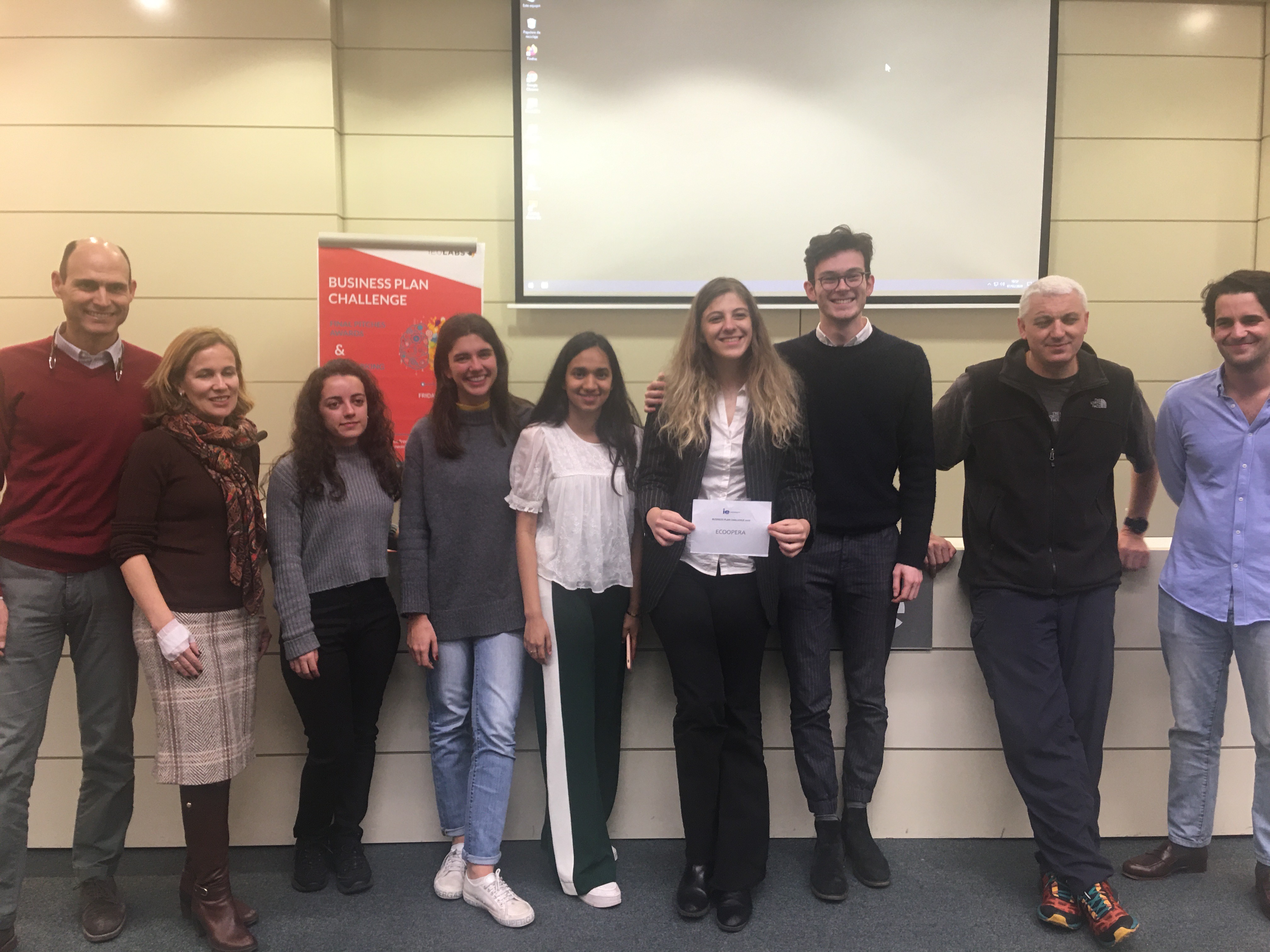
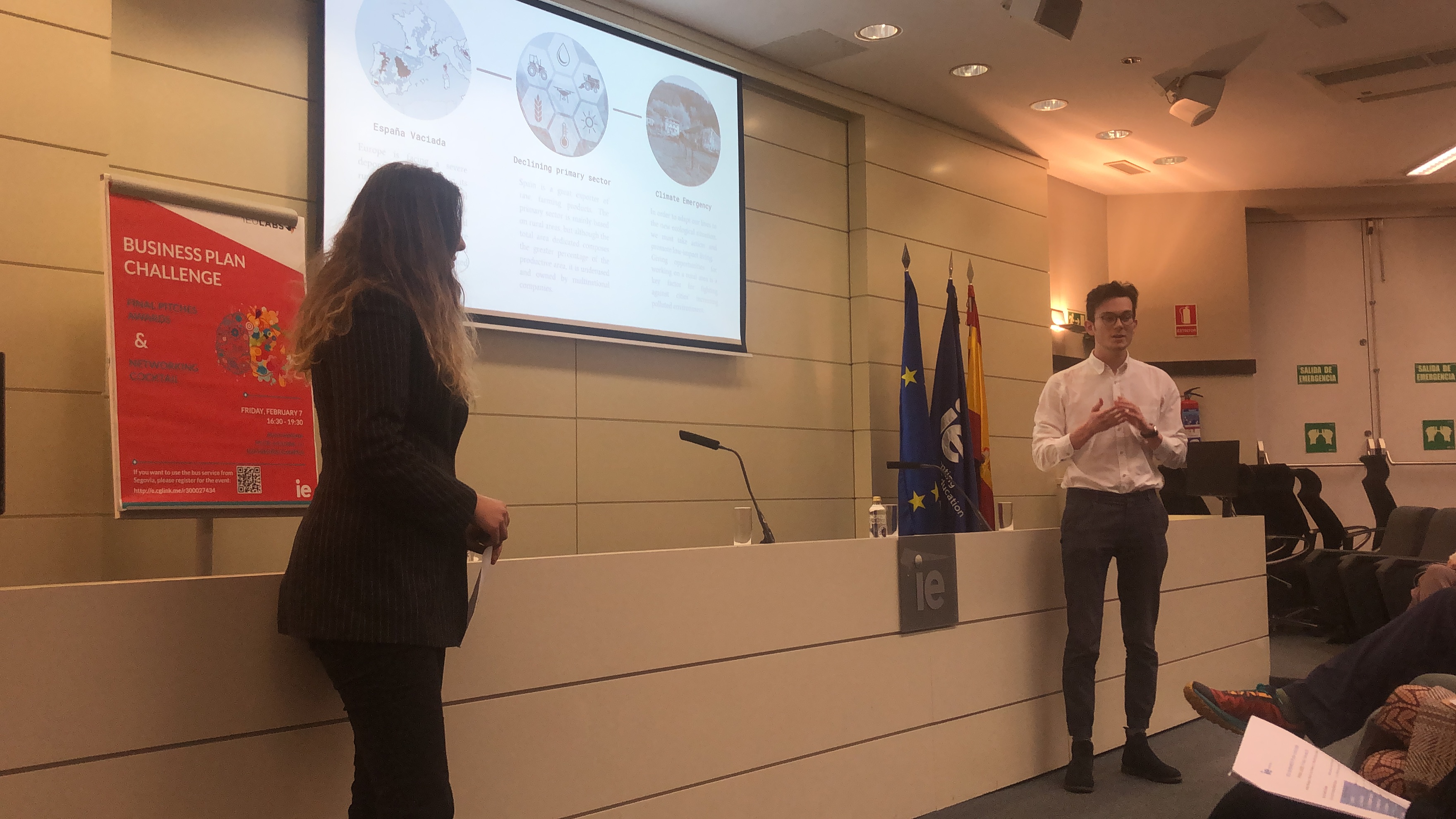
Talk on Ecoopera
×

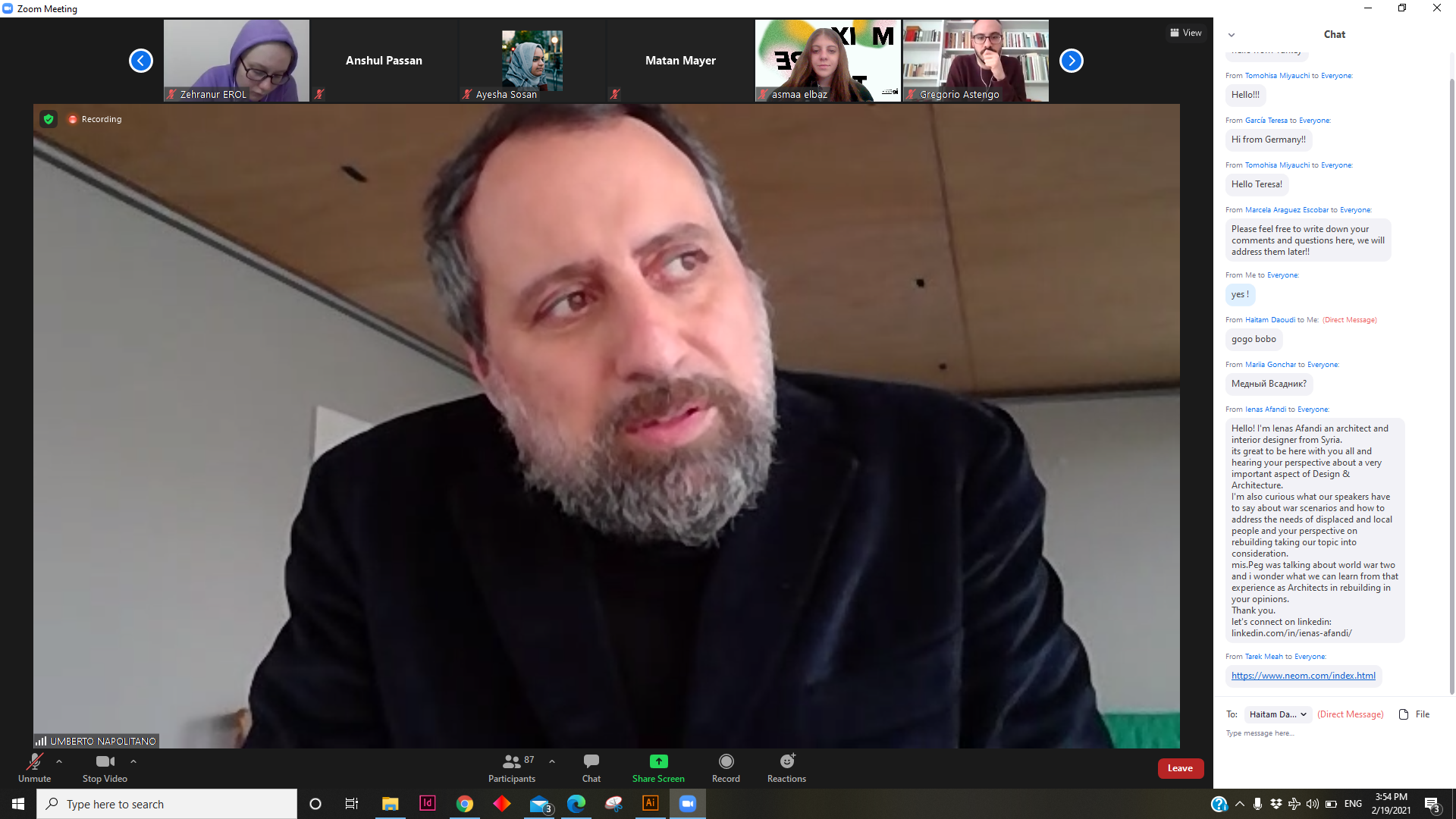

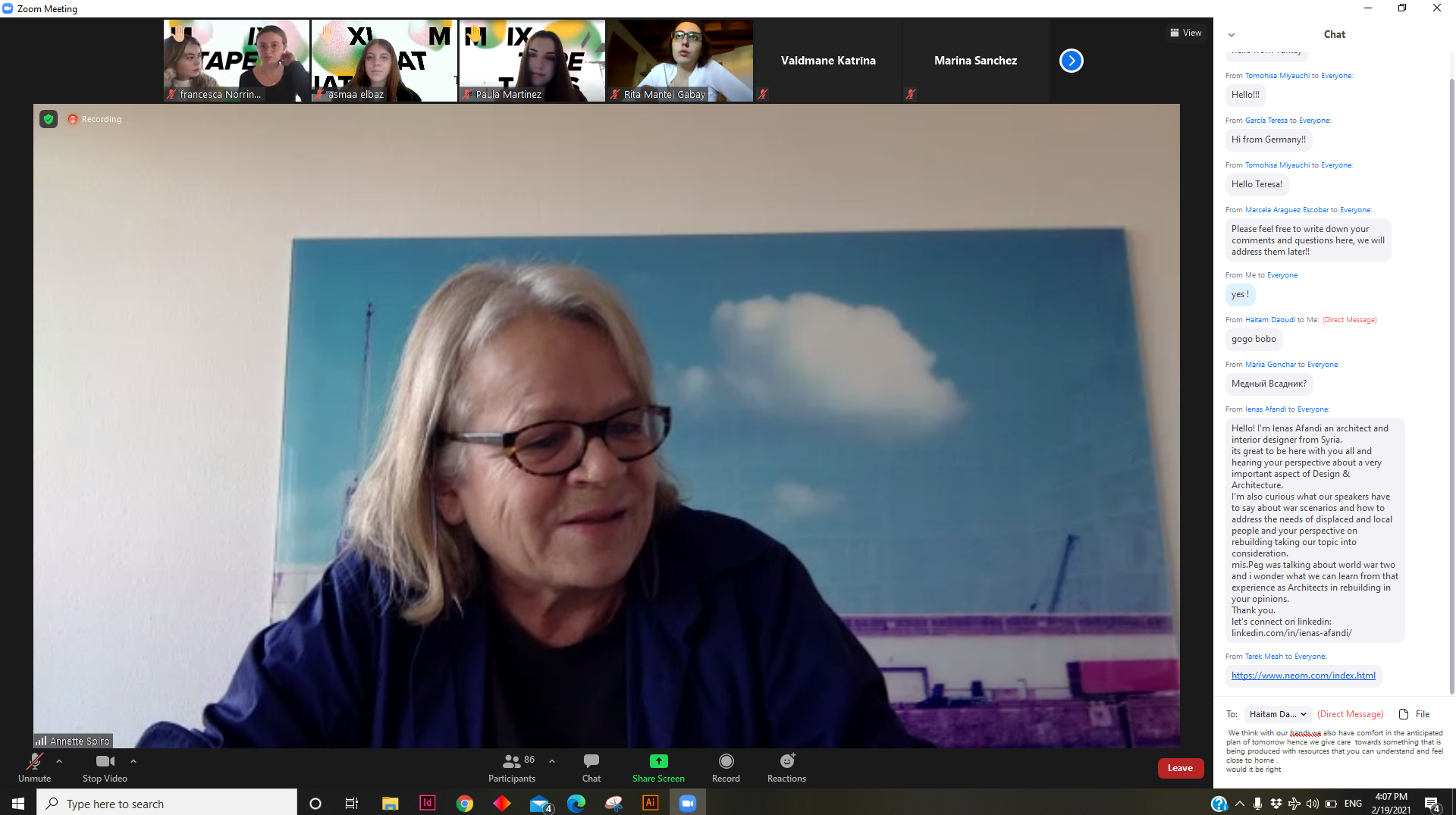
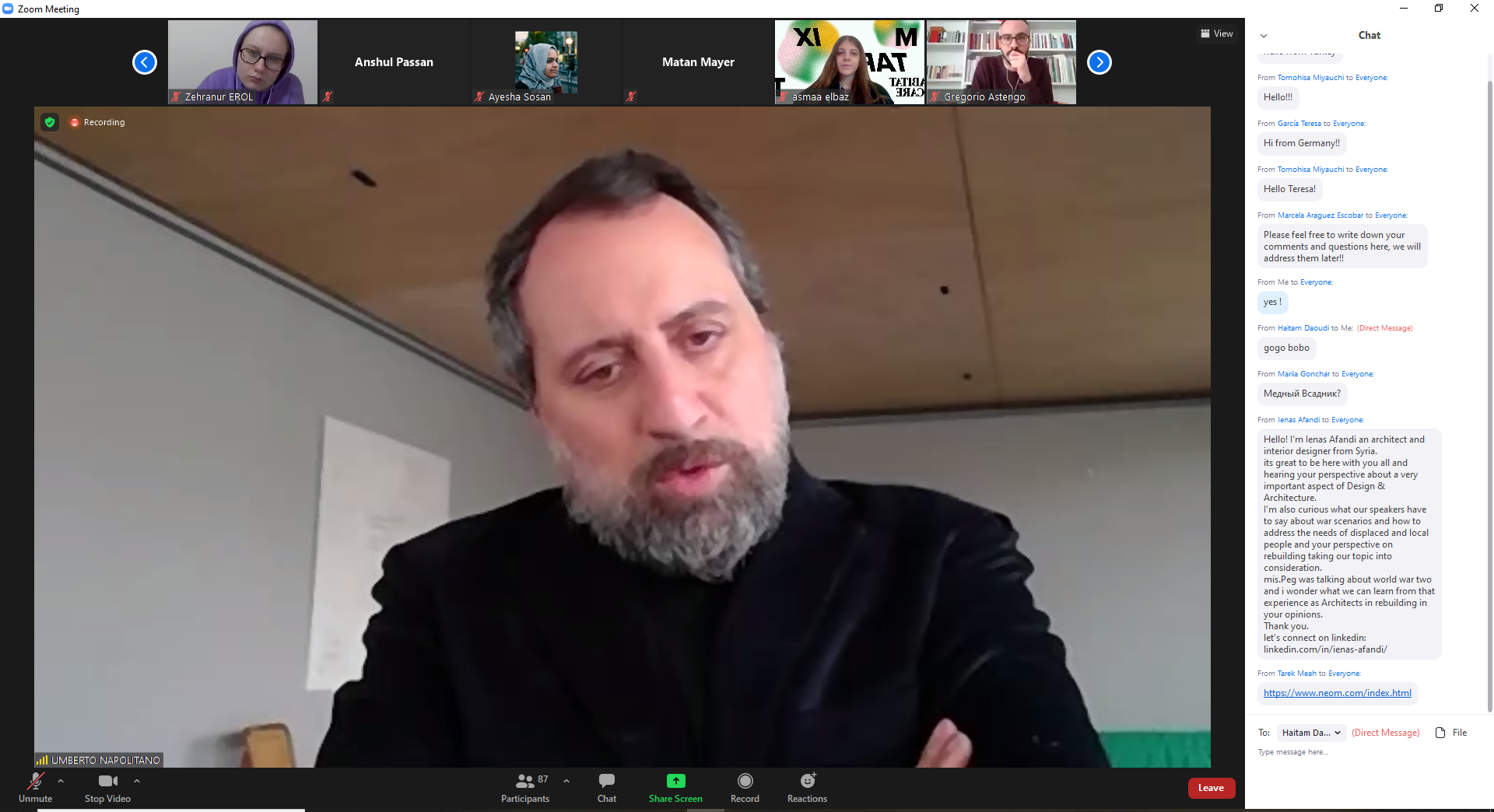
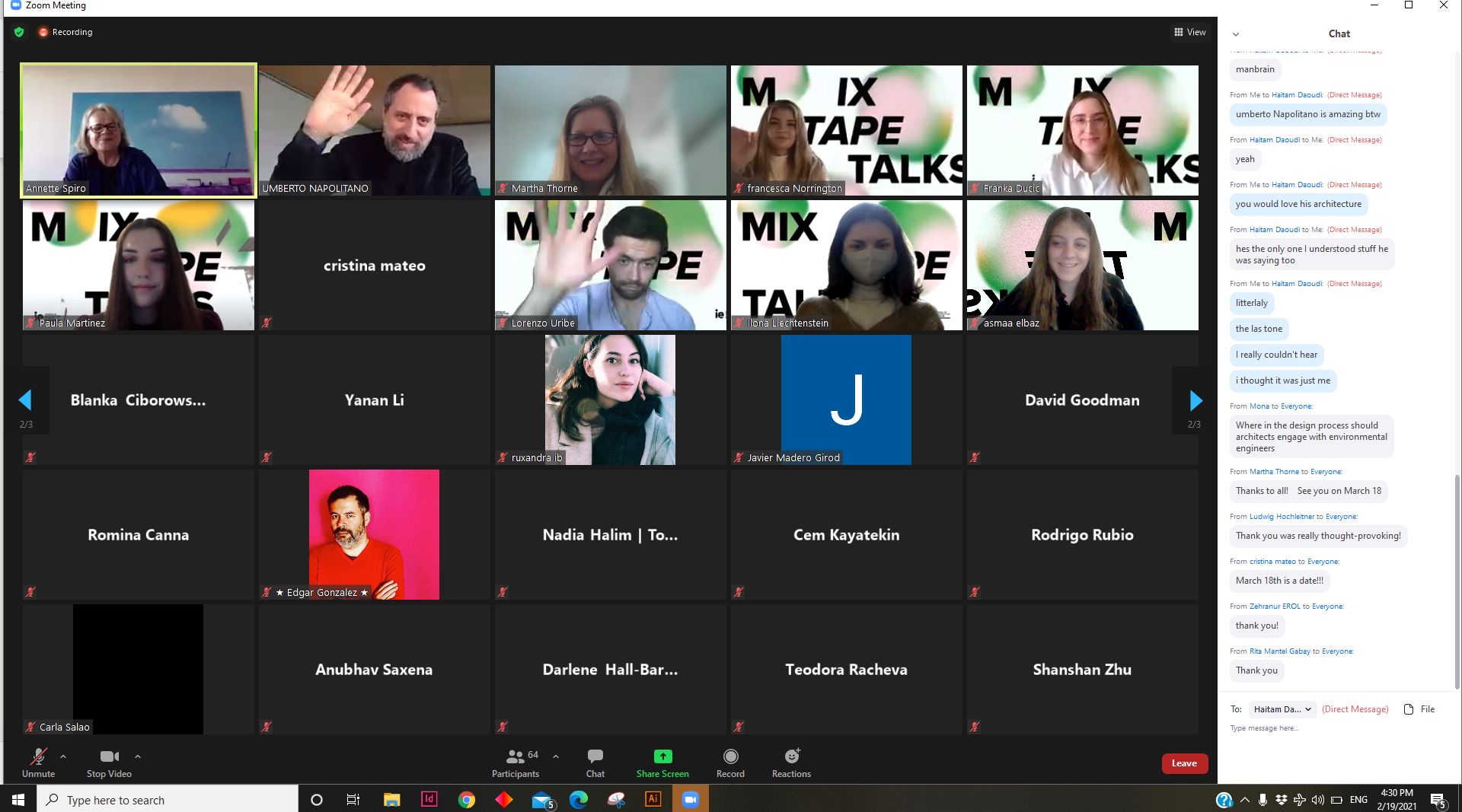
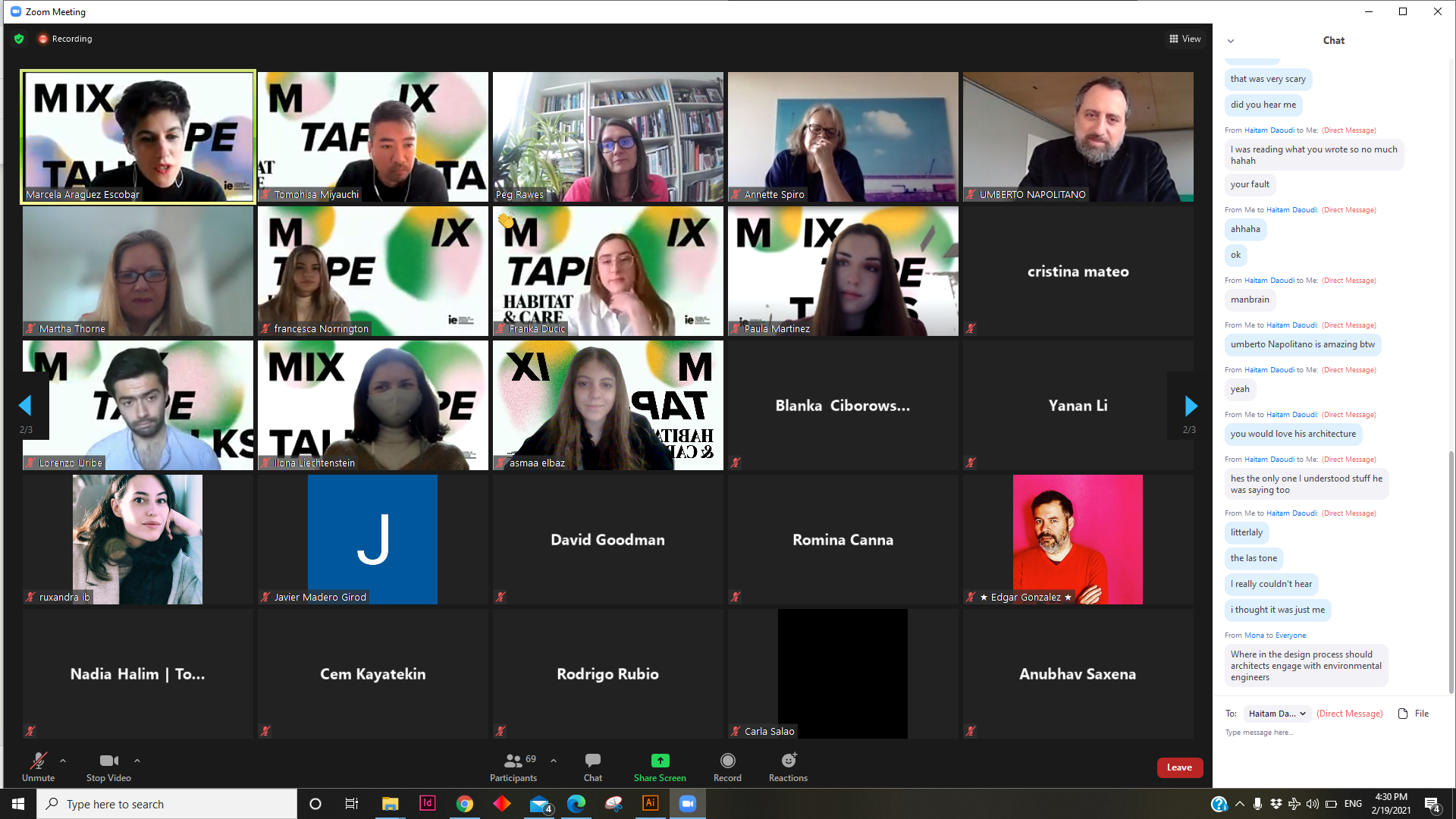
Mixtape - Habitat and care
Achievements
Talks
Awards & Others
Exibitions
Talks
▼
Talks
Awards & Others
Exibitions
Second Annual Research Colloquium
Talk on Ecoopera
Mixtape - Habitat and care
Get in Touch